
Last updated November 25, 2026
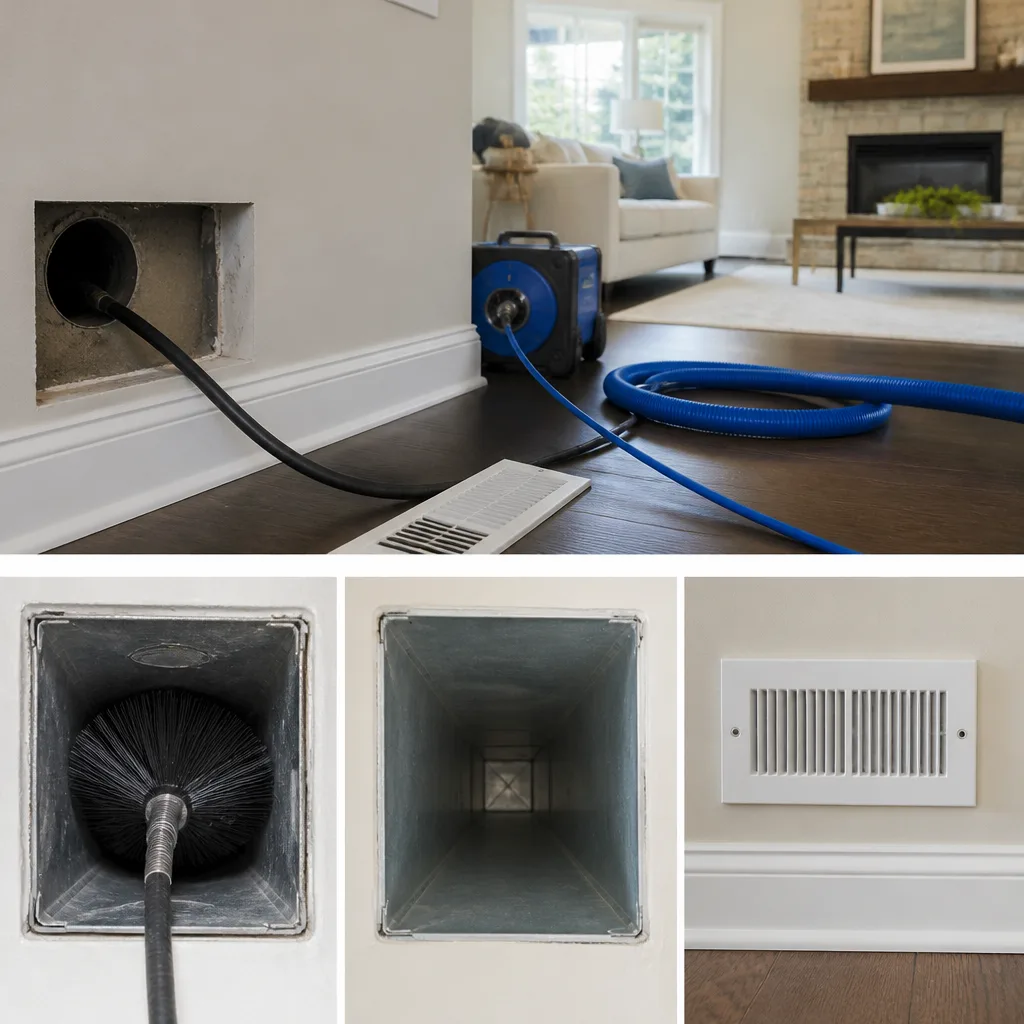 Whole-home duct cleaning
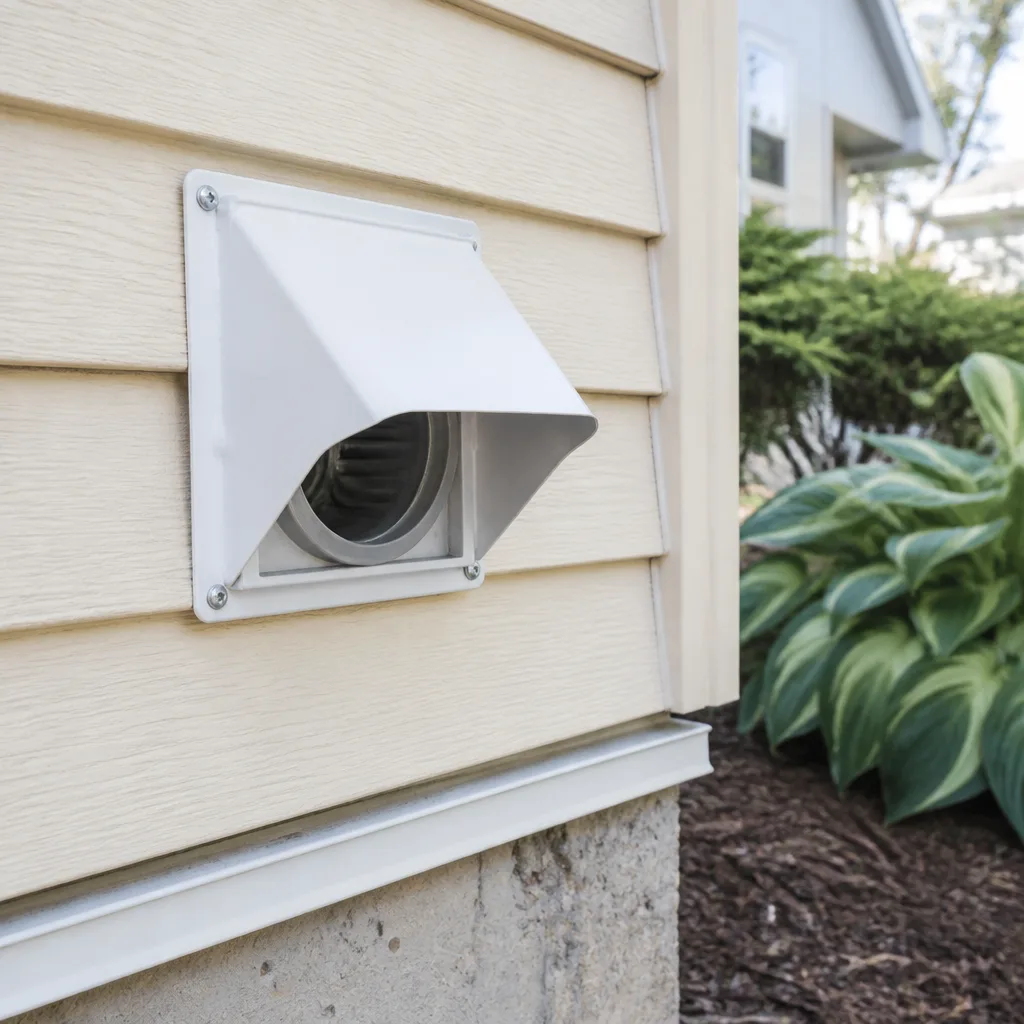 Dryer vent cleaning
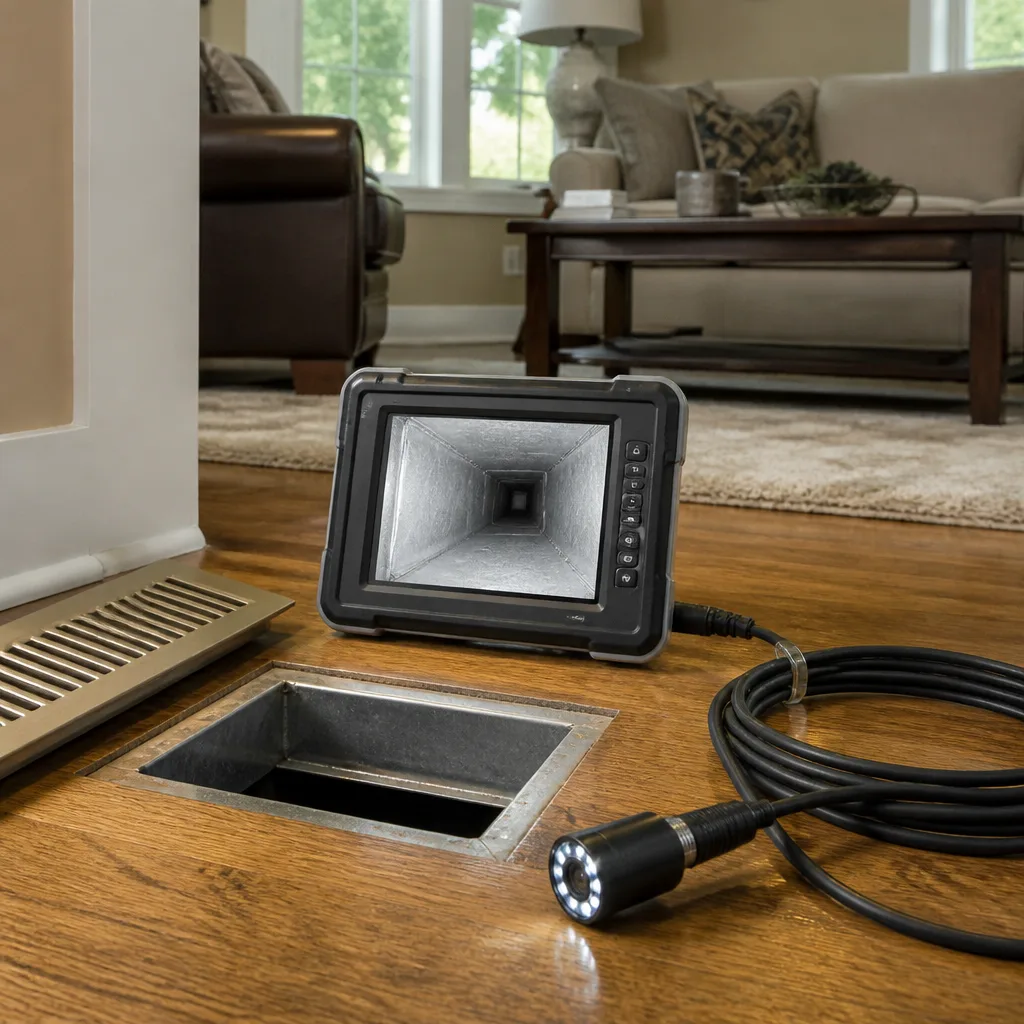 Camera inspection
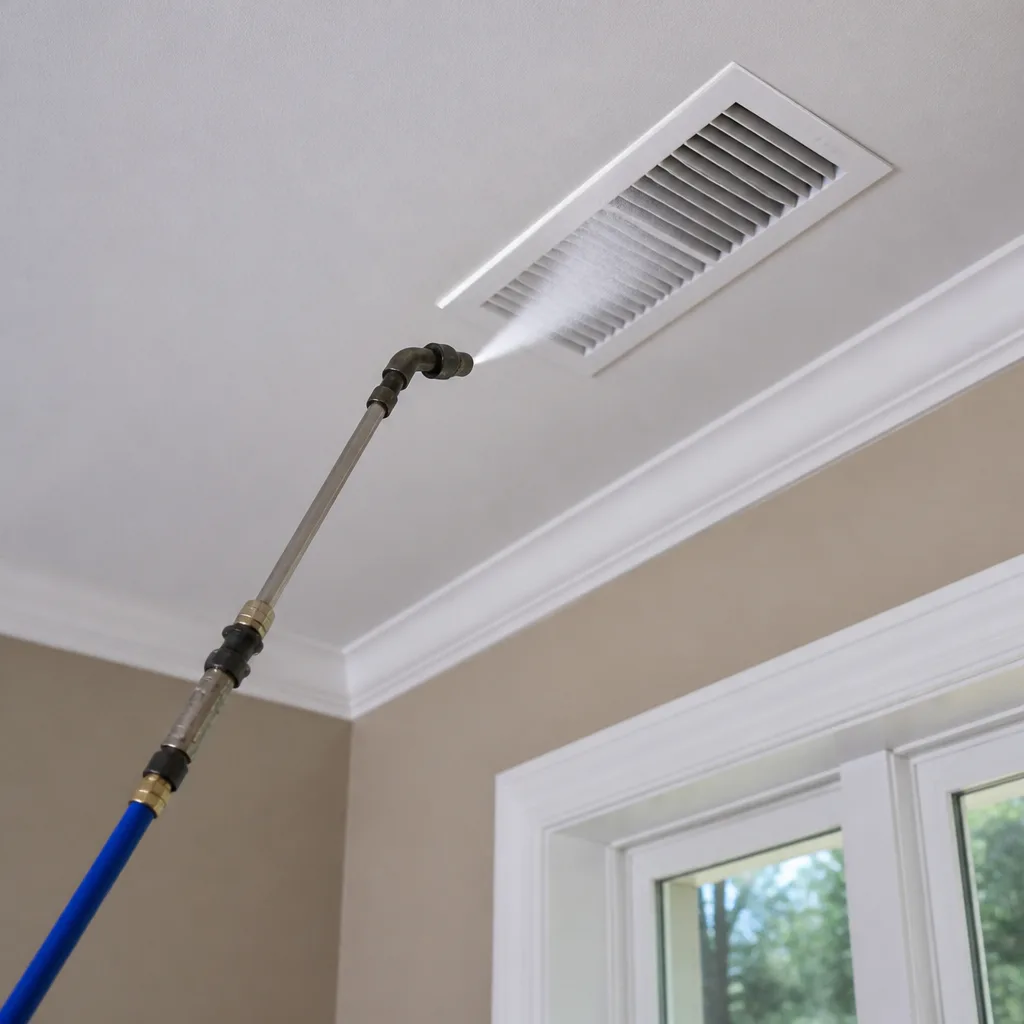 Sanitizing & deodorizing
Whole-system duct and dryer vent check with before-and-after photos - you see exactly what came out of your vents
That "$99 whole-house special" is a bait ad - the real number appears once they are in your hallway, or the "clean" is a shop-vac at the register. We photograph the inside of your ducts before and after instead.
Air Duct Cleaning Permits, Codes & Inspections in Auburn, WA: What You Need to Know
Most homeowners assume the permit question ends the moment they hear “duct cleaning doesn’t need one.” That’s the wrong place to stop. In Auburn, a routine maintenance cleaning genuinely doesn’t require a permit, but the second a technician cuts into a trunk line, reconnects a plenum, or sprays a sealant inside the duct system, the job crosses a line into regulated mechanical work under Washington’s State Building Code. We’ve watched plenty of homeowners learn this distinction after the fact, often during a home sale or an insurance review. This guide walks through where cleaning ends and mechanical modification begins, how Auburn’s permit process works through the City of Auburn Community Development Department, what the energy code says about spray-applied duct sealants, and why King County chemical sanitizers carry their own layer of oversight. Read it before you hire, not after.
Quick Answer
Air duct cleaning itself does not require a permit in Auburn, Washington, but duct repair, modification, or replacement of a plenum connection does, because it counts as mechanical work under WAC 51-52 (the state adoption of the International Mechanical Code). Spray-applied sealants like Aeroseal fall under Washington’s energy code in WAC 51-11C, and any biocide put inside occupied ductwork must be EPA-registered for that use. If a contractor can’t tell you which category their work falls into, that’s your first warning sign.
Styles & brands we work with
- Whole-home duct cleaning
- Dryer vent cleaning
- Camera inspection
- Sanitizing & deodorizing
Table of Contents
- Cleaning vs. Modification: Where Washington’s Mechanical Code Draws the Line
- Getting a Mechanical Permit in Auburn: The City Process
- Duct Sealing and Washington’s Energy Code (WAC 51-11C)
- Chemical Sanitizers Inside Ductwork: King County and EPA Rules
- Why Permit Records Matter for Auburn Sales and Insurance Claims
- What an Inspection Actually Covers
- What Documentation You Should Walk Away With
- When the Work Is a Do-It-Yourself Project and When It Isn’t
Cleaning vs. Modification: Where Washington’s Mechanical Code Draws the Line
This is the distinction that trips up almost everyone, and it’s the one that matters most for a homeowner in Auburn. The State Building Code, adopted through WAC 51-52, incorporates the International Mechanical Code. Chapter 6 of the IMC governs duct systems, and it regulates construction, alteration, and repair of those systems. Plain maintenance cleaning, the removal of dust, debris, and biological growth from the interior surfaces of ducts that are already properly installed, is not construction. It’s maintenance, the same way vacuuming a floor isn’t remodeling a room.
Here’s where the categories split, with concrete examples of each.
Maintenance Cleaning (No Permit)
- Contact-vacuuming supply and return ducts using a professional system such as a Rotobrush or Nikro platform
- Mechanical agitation of duct interiors to loosen accumulated debris
- Cleaning the air handler’s accessible interior surfaces and coil
- Removing debris from registers, grilles, and diffusers without altering the duct structure
- Cleaning a dryer vent run, including the flexible transition behind the dryer
Mechanical Modification (Permit Territory)
- Cutting into a trunk line to add a new branch or relocate a register
- Replacing a section of rigid duct that has collapsed or separated
- Reconnecting a supply plenum to the air handler after it has come loose and needs new fastening and sealing at the equipment connection
- Applying a spray sealant inside a duct system when that application is treated as an alteration under the energy code
- Upsizing or downsizing duct runs, or changing the configuration in any way that affects airflow design
The plenum connection is the tricky one. A plenum that has simply come loose and needs the same fastening and sealing that was there originally can sometimes be argued as repair. A plenum that gets cut, refabricated, or reconfigured is new construction in the code’s eyes. If a contractor is vague about which one they’re doing to your system, ask for it in writing. Our Auburn Air Duct Cleaning Pros team draws this line on every estimate because the homeowner is the one who inherits the paperwork question later.
Getting a Mechanical Permit in Auburn: The City Process
If your duct work crosses into modification, the permit comes from the City of Auburn’s Community Development Department. Auburn issues mechanical permits for HVAC system work under the state-adopted code, and the process is straightforward as long as you’re not trying to shortcut it. Here’s how a typical mechanical permit for duct-related work moves through the city.
- Determine whether the scope requires a permit. New duct runs, replaced sections, and reconnected plenums on the equipment side usually do. Cleaning and same-configuration maintenance typically don’t. When in doubt, call the Community Development Department and describe the scope in plain language; the counter staff will tell you whether it’s permit-eligible.
- Submit the application with a scope of work. The application needs to describe what’s being installed or altered, what materials are being used, and where in the home the work is happening. A drawing of the affected run helps.
- Pay the fee and receive the permit. Mechanical permit fees scale with the scope of the job. Expect the fee to be quoted at the counter or through the city’s online portal.
- Complete the work. The licensed contractor performing the mechanical work pulls the permit in their name and does the installation to IMC Chapter 6 standards.
- Schedule the inspection. The city inspector verifies the installation, the fastening and sealing at connections, and that the system meets the requirements of the code. Only after the inspection passes does the permit close.
We recommend asking any contractor doing repair-level ductwork in Auburn for the permit number before work starts. If the answer is “we’ll pull it after,” push back. Permits are pulled before work, not retroactively. For the cleaning portion of the job, which sits outside the permit threshold, more detail lives on our page covering air duct cleaning, including what a full-system cleaning actually involves.
Duct Sealing and Washington’s Energy Code (WAC 51-11C)
Spray-applied duct sealants get classified differently depending on how they’re used, and Washington’s energy code, WAC 51-11C, has real teeth here. The energy code governs duct sealing as part of its broader requirements around duct insulation and leakage in residential and commercial systems. When a spray sealant like Aeroseal is applied inside an existing duct system to reduce leakage, the work is generally treated as an alteration to the mechanical system, which pulls both the mechanical permit question and the energy code compliance question into the same conversation.
The practical upshot for an Auburn homeowner is this: spray sealing is not a maintenance task. It’s an alteration that changes the performance characteristics of the system, and it needs to be documented that way. When a contractor tells you they’ll fog the ducts with a spray sealant and call it cleaning, they’re conflating two different scopes of work.
- Duct mastic and mesh at accessible joints can often be classified as repair if it’s restoring the joint rather than changing the system.
- Spray-applied interior sealants typically get classified as an alteration because they change the leakage characteristics of the entire system, which is what the energy code cares about.
- Aeroseal and similar products are usually applied by certified contractors who understand the documentation requirements, and the post-application leakage report is part of the deliverable.
On state energy credits: Washington does not hand out a blanket residential tax credit for duct sealing, and any contractor promising one should be asked for the program name, the program administrator, and the current eligibility rules in writing. The real value of energy code compliance on a duct sealing job is twofold: the work is documented, and the next homeowner or insurer can verify it was done to standard. Our technicians have up to 13 years of experience documenting sealing and dryer vent cleaning work against these standards, and the paperwork is part of the job, not an afterthought.
Chemical Sanitizers Inside Ductwork: King County and EPA Rules
If a contractor offers to fog your ducts with a sanitizer, the first question is simple: is the product EPA-registered for use inside HVAC ductwork in an occupied residential space? That’s not a technicality. Biocides used inside ductwork are regulated as antimicrobial pesticides under the Federal Insecticide, Fungicide, and Rodenticide Act, and the EPA registration label specifies exactly where the product may be applied. A product registered for hard-surface sanitizing in a commercial kitchen is not licensed for fogging through a residential supply duct. Those are different claims on different labels.
King County’s public health rules layer on top of this. The county regulates air quality and hazards in occupied structures, and applying a chemical inside a residential duct system means the occupants breathe whatever air comes back through the registers. A contractor who can’t produce the EPA registration number and the label version they’re using is asking you to take it on faith.
What this means in practice:
- Ask for the product name, the EPA registration number, and the label page showing “HVAC system” or “ductwork” as an approved application site.
- Confirm the product is being used at label dilution, not at some stronger mix a technician eyeballed.
- Confirm the occupants, including pets, will be out of the home for the dwell time the label specifies.
- Ask about ventilation during application. A negative-pressure setup using equipment like Abatement Technologies units keeps loosened debris and aerosols out of living spaces during the process.
We use products from established air-quality brands including Honeywell and Aprilaire when the scope calls for filtration and sanitizing beyond straight mechanical cleaning, and the label documentation comes with the service. For homeowners in Auburn who are dealing with allergy or respiratory concerns, that paper trail is as important as the cleaning itself. The related HVAC cleaning scope covers mechanical cleaning of the air handler and coil, which is where biological growth usually starts in a Puget Sound-area home.
Why Permit Records Matter for Auburn Sales and Insurance Claims
Permits don’t feel important until someone asks about them, and in Auburn there are two moments when someone asks: the sale of the home and the filing of an insurance claim.
Washington is a disclosure state. Sellers must disclose known material defects and, in practice, buyers and their agents will request the permit history of mechanical work done during ownership. If the duct system was modified, replaced, or sealed with a spray product without a permit or documentation, that shows up as an open question in the transaction. Sometimes it resolves cleanly with a contractor’s invoice and a pre-existing condition disclosure. Sometimes it triggers a buyer-side inspection that delays the closing or costs the seller in negotiation. Auburn has a substantial inventory of older housing stock alongside newer construction, and older homes are where undocumented modifications most often accumulate. Neighborhoods around the Auburn valley and the older sections of the city see this more than newer builds, largely because those systems have been touched by more hands over more decades.
On the insurance side, a claim involving water damage, smoke, or a system failure often triggers a review of what work was performed and by whom. A mechanical permit with a passed final inspection is a clean record. A duct modification done without one is a question mark. The same logic applies to flood-zone considerations in lower-lying Auburn areas: if the duct system has had water in it, the documentation of what was done to clean and remediate it matters for any future claim.
The simplest habit is the cheapest: keep the permit number, the final inspection card, the contractor’s invoice, and any post-application leakage reports in a home records file. Ten years from now, when you’re selling, that file is the difference between a clean disclosure and a negotiation point.
What an Inspection Actually Covers
When a mechanical permit triggers a city inspection in Auburn, the inspector is not there to grade the quality of your cleaning. That’s a common misunderstanding. The inspector is verifying that the mechanical modification was performed to the code. Here’s what typically gets looked at.
- Connections and fastening. Every joint introduced or altered during the work is checked for proper mechanical fastening, not just tape and hope.
- Sealing at the plenum and equipment connections. The supply and return plenum connections to the air handler are a focal point, because that’s where a large share of system leakage occurs.
- Duct insulation. Where ducts run through unconditioned space, the inspector confirms insulation requirements under the energy code.
- Support and clearances. Duct runs need proper support spacing and clearance from combustibles, per the mechanical code.
- Material suitability. Duct materials and sealants need to comply with the code’s requirements for use in an HVAC system.
- Final documentation. The inspector signs the final card, and that record is what ends up in the city file.
What the inspection does not cover: whether the cleaning was thorough, whether the sanitizer was applied at label dilution, whether the technician’s equipment was professional-grade, or whether the duct interior was left actually clean. Those are contractor-quality questions, and they don’t get inspected. That’s why the vetting work happens before you hire, not afterward. A contractor using equipment like a Nikro contact vacuum and documenting before-and-after photographs of your own ducts is giving you an inspection the city code doesn’t require.
What Documentation You Should Walk Away With
The city permit file is one record. The contractor’s paperwork is another, and they’re not the same thing. Here’s the set we’d expect any Auburn homeowner to keep after a duct service.
- Written scope and flat price. One price per system, agreed before work starts, with no per-vent line items. The written estimate should state exactly what’s included: which components, which rooms, which air handler surfaces.
- Before-and-after photographs of your ducts. Photos of your own system, not stock images from a brochure. This is the single best quality signal available to a homeowner.
- Product labels and dilution records for any sanitizer or sealant applied, with the EPA registration number visible.
- Post-application leakage report if spray sealing was done, showing pre- and post-sealing numbers.
- Permit number and final inspection card for any mechanical modification.
- Satisfaction guarantee documentation spelling out what the guarantee covers and for how long.
If a contractor won’t provide the before-and-after photos or a written scope, that’s the answer to the question of whether to hire them. The paperwork is part of the trade. Our Auburn Air Duct Cleaning Pros team sends the full documentation package as part of every job, including the mechanical permit documentation when the scope crosses into it.
When the Work Is a Do-It-Yourself Project and When It Isn’t
Some parts of duct maintenance are within reach for a careful homeowner. The rest genuinely isn’t, and the honest answer is that the line gets crossed much earlier than most people expect.
Reasonable to handle yourself: replacing a register grille, wiping accessible register surfaces, checking that the return grille isn’t blocked by furniture, and changing the filter. Those are maintenance, and none of them touch the duct interior or the mechanical system.
Not a do-it-yourself job: anything involving cutting into ductwork, reconnecting a plenum, spray sealing the duct interior, or sanitizing through the system. Cutting into a supply duct near the air handler means cutting into a system that may have live electrical components, refrigerant lines, and a negative-pressure environment. Spray sealants applied wrong can clog components. Sanitizers applied at off-label dilution or without the right ventilation are a respiratory hazard. And the moment you cut into the duct, you’ve created a mechanical modification that needed a permit and a licensed professional to do the work.
This is a trade with genuine hazards, and we say so plainly. If you’re weighing whether to attempt a repair, the safe answer is to have a professional look at it first. The estimate is free, and a trained professional can tell you in ten minutes whether the scope is cleaning, repair, or alteration. The permit path follows from that determination. Anything else is guessing with the mechanical system of the house.
Common Mistakes to Avoid
- Assuming “no permit needed for cleaning” means no permit needed for anything. Clearing out the ducts is maintenance, but the moment a technician reconnects a plenum or adds a run, the job crosses into mechanical work. Ask which category the scope falls into.
- Hiring a spray sealant as if it were cleaning. Spray-applied interior sealants typically fall under both the mechanical permit and the energy code as alterations. A contractor proposing to fog the ducts “as part of the cleaning” is conflating two scopes.
- Accepting verbal sanitizer claims without a label. The EPA registration number and the label page listing HVAC ductwork as an approved use site are the only evidence that matters. If the contractor can’t produce them, don’t let the product go into your system.
- Skipping the inspection card because the work “looked done.” In Auburn, a mechanical permit isn’t closed until the city inspector signs the final. An unclosed permit shows up in a future home sale as an open question.
- Believing a promised state energy credit without a program name. Washington doesn’t hand out a blanket residential credit for duct sealing. Ask for the program administrator and current eligibility rules in writing.
- Letting a contractor hand over a problem report instead of a solution. If cleaning reveals a leak or a separated run, the professional answer is to repair and seal it in the same scope, not to hand you a document and walk away.
- Not keeping the documentation file. Before-and-after photos, product labels, permit numbers, and final inspection cards belong in your home records. When you sell or file a claim, they answer questions that nothing else can.
See the difference
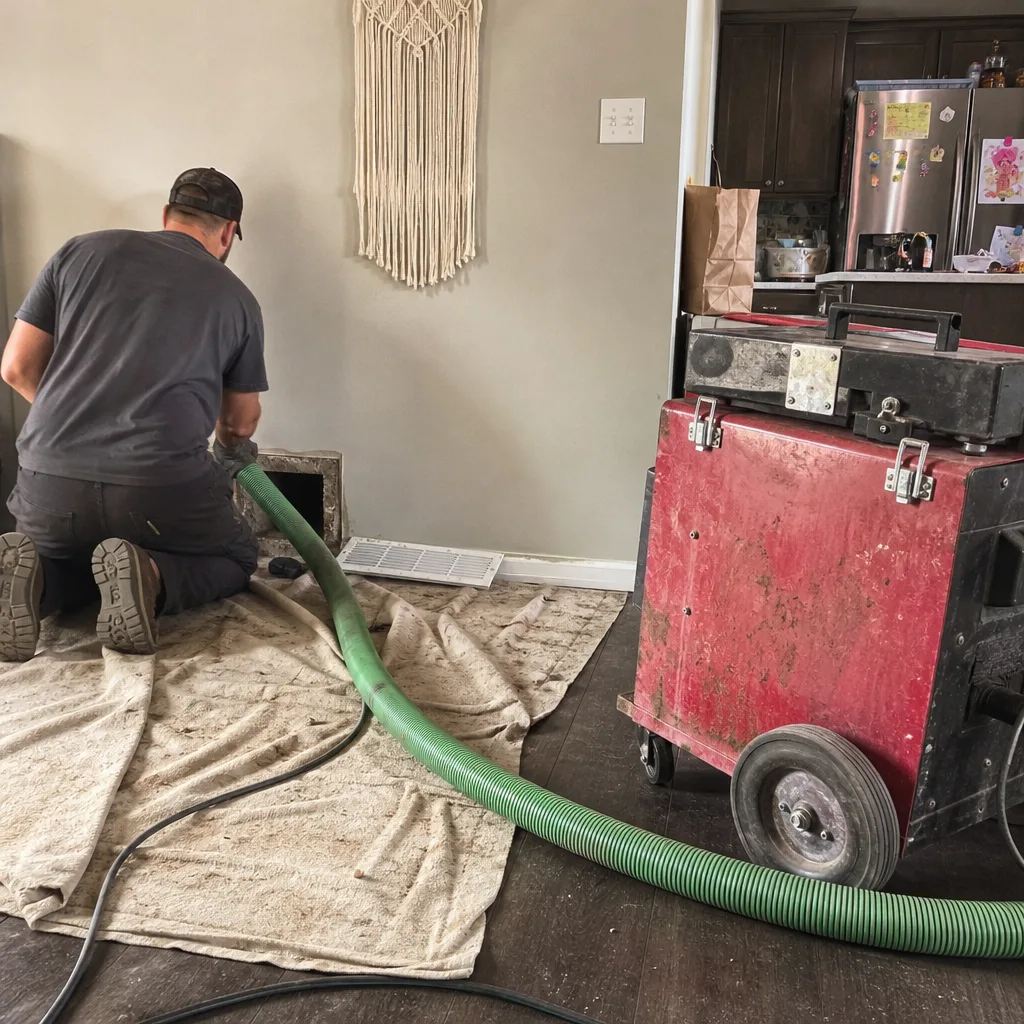 Before
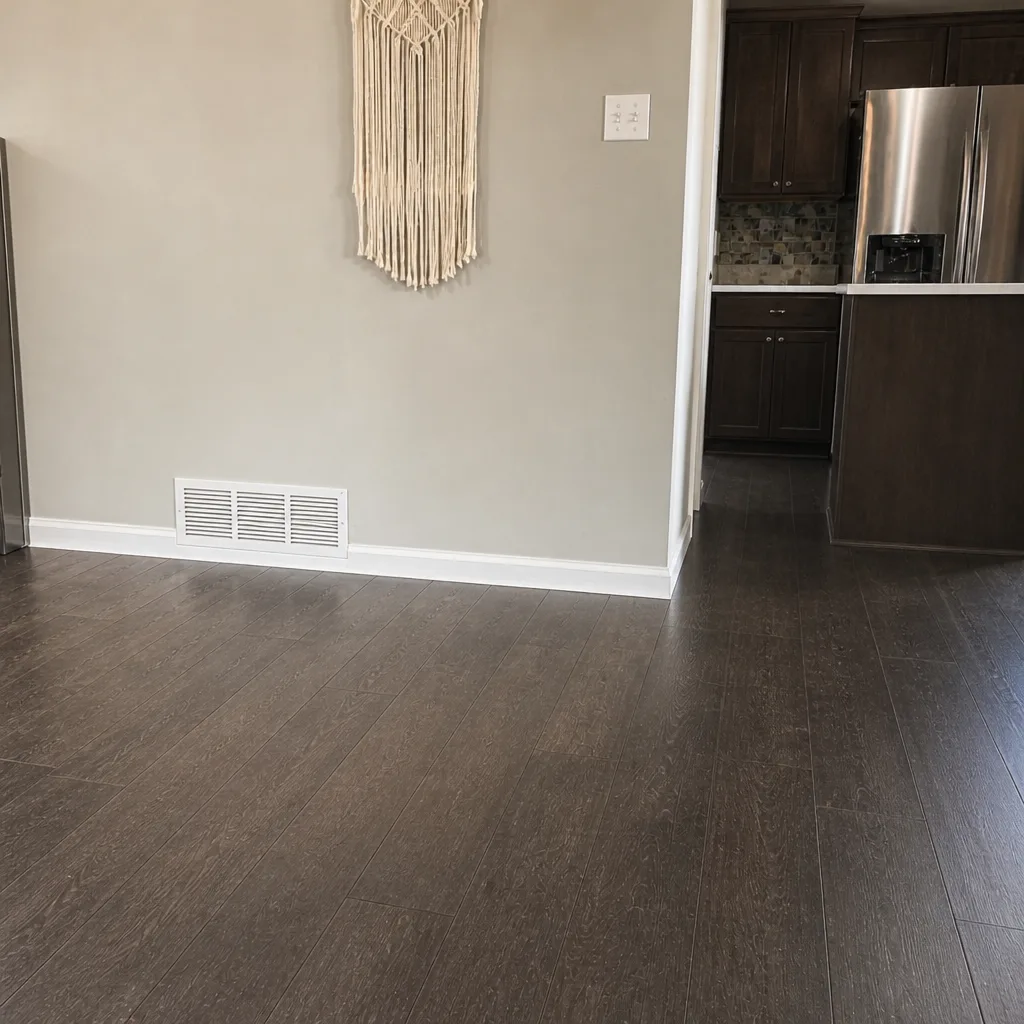 After
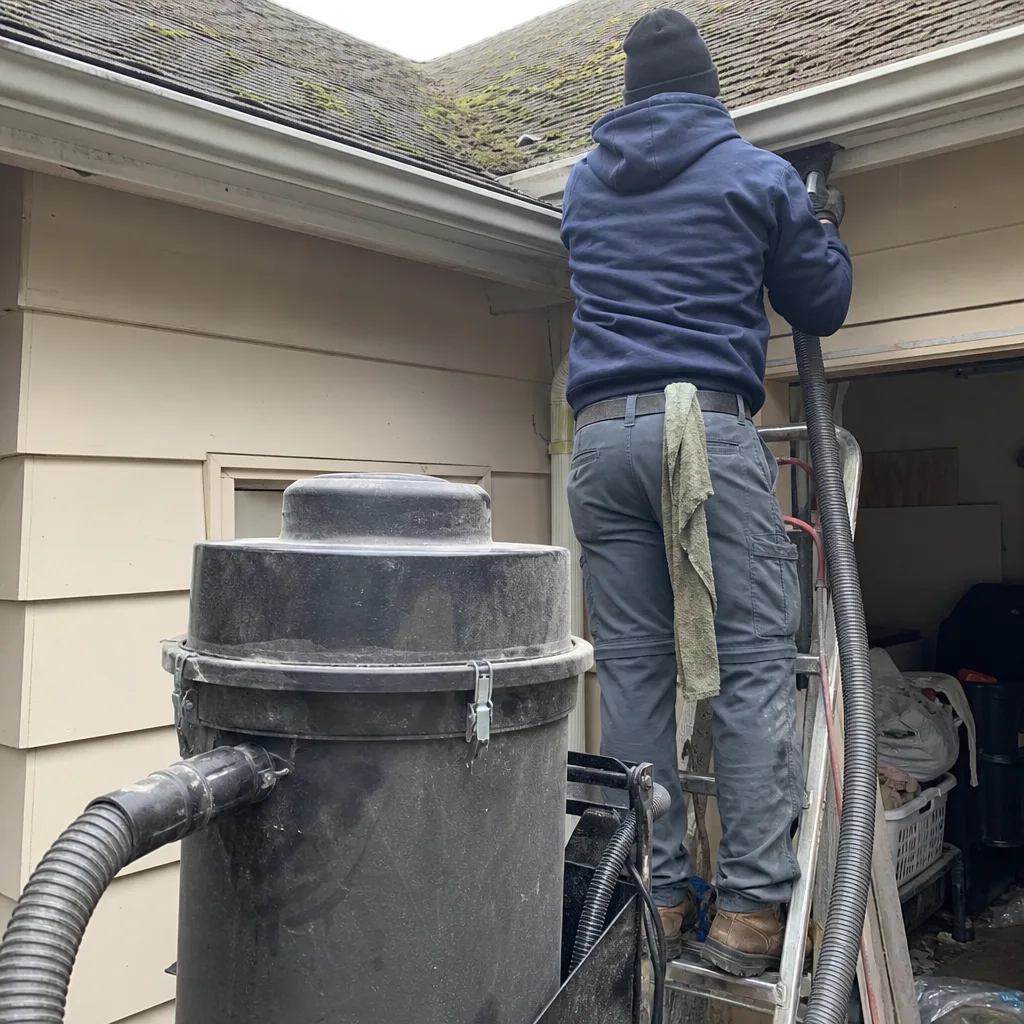 Before
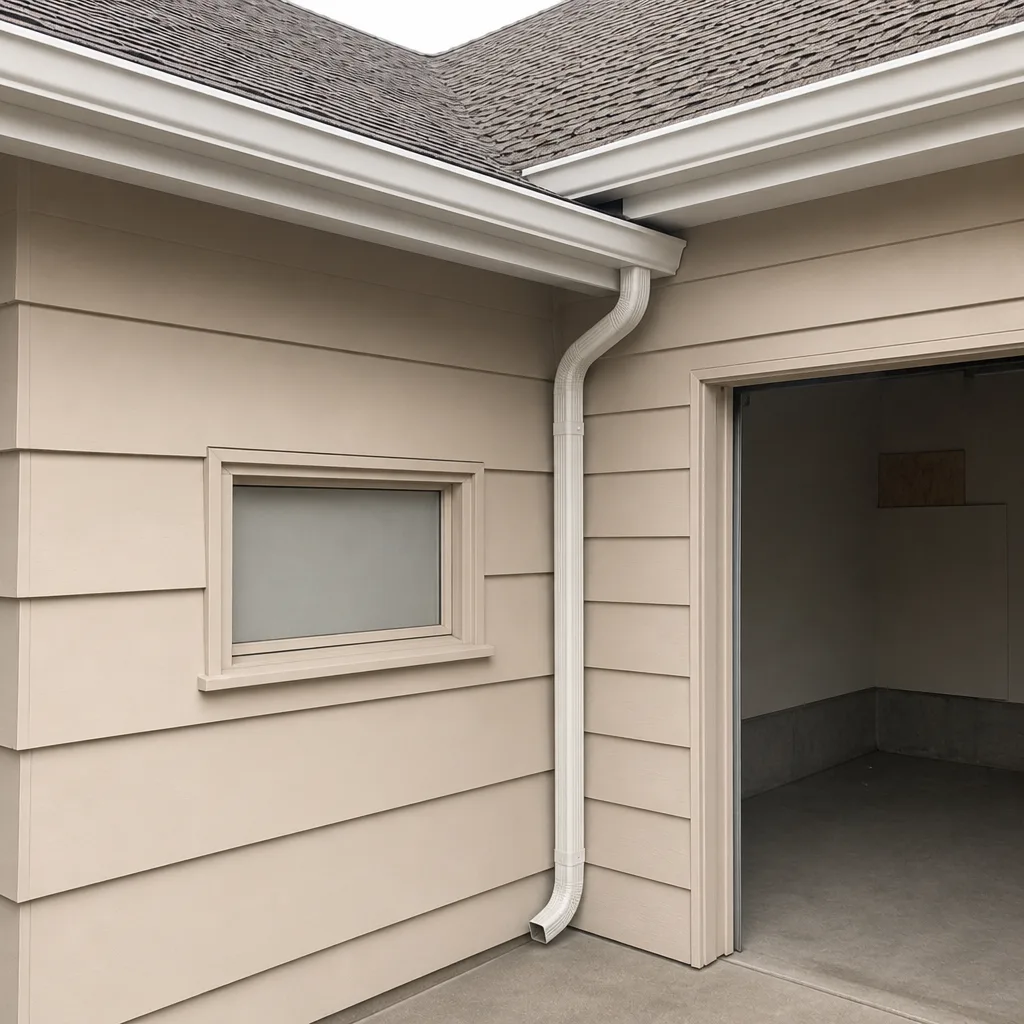 After
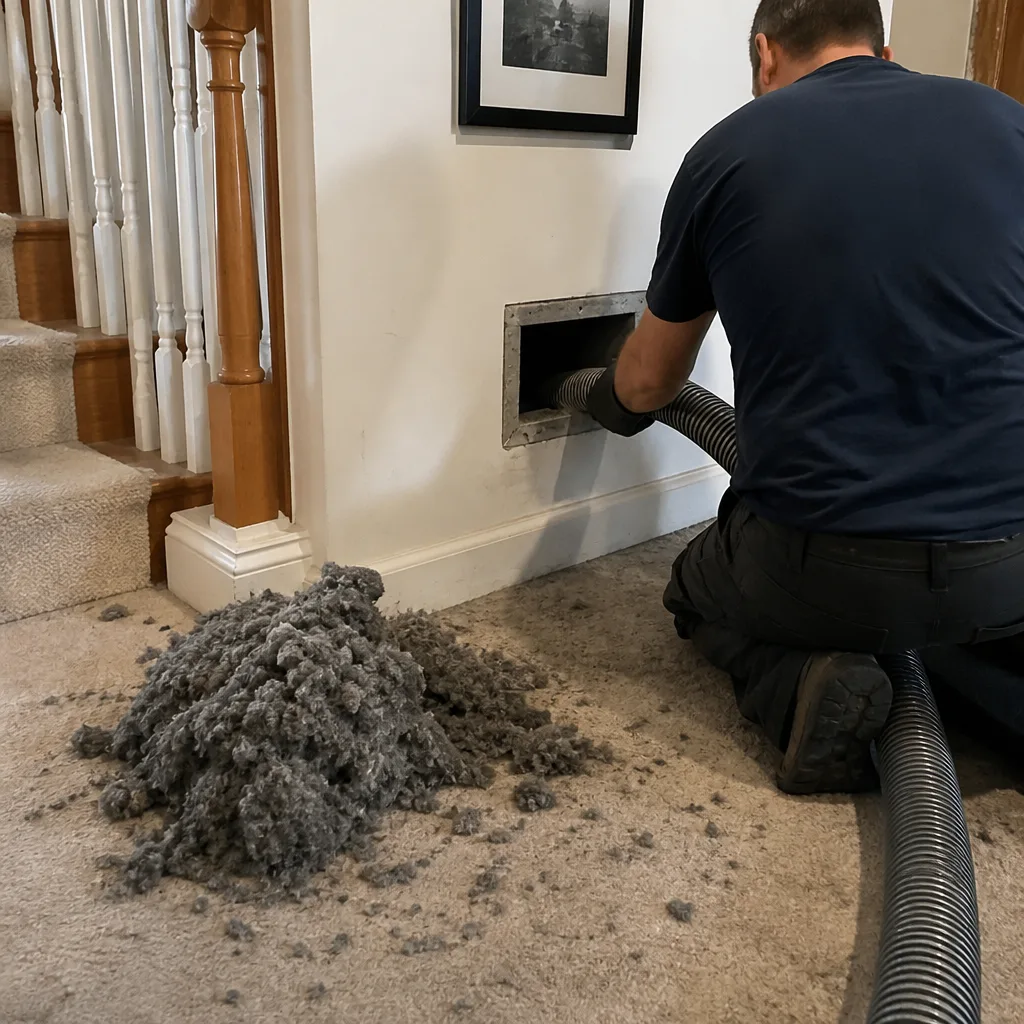 Before
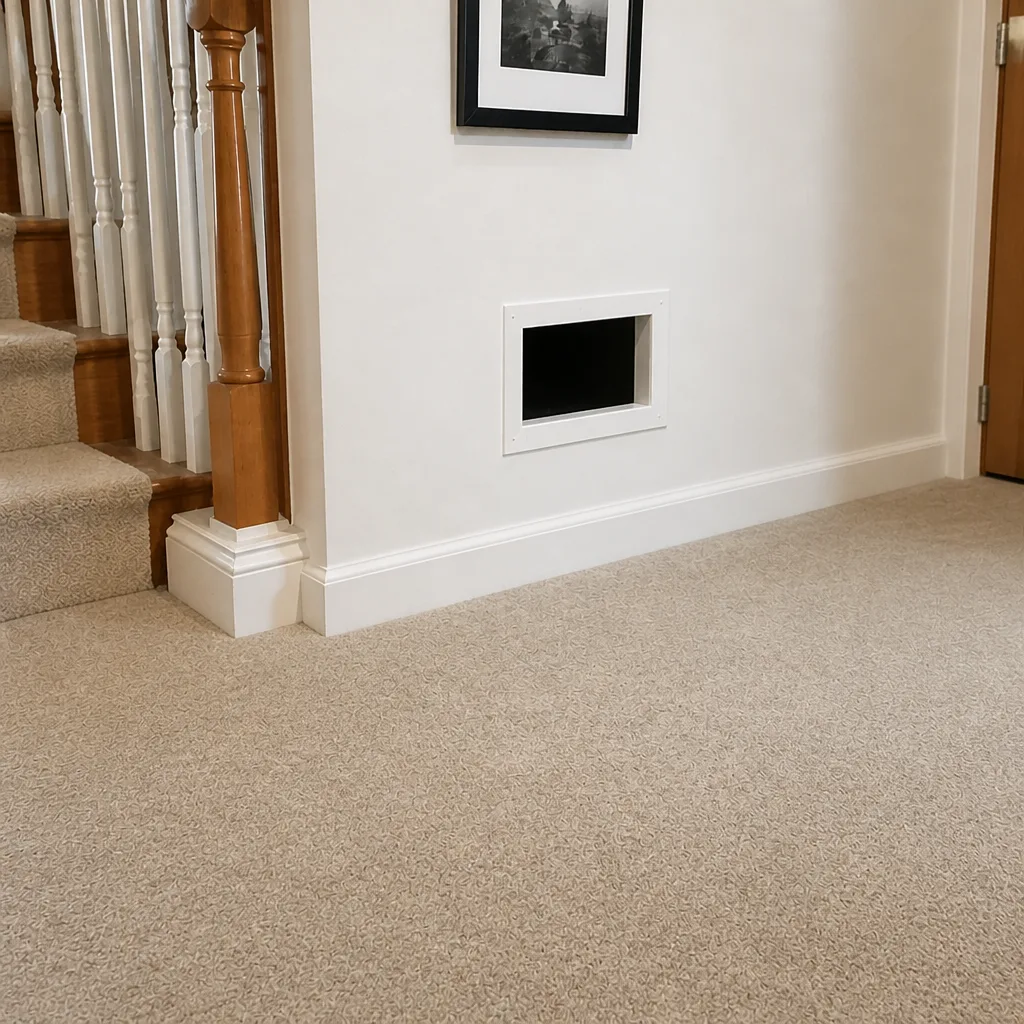 After
When to Call a Professional
The permit question usually surfaces during a specific moment, and these are the ones we see most. If your home is headed to market and you can’t produce documentation for mechanical work done to the duct system, get a professional assessment before the buyer’s inspector does. If a cleaning reveals a separated duct joint, a collapsed run, or a plenum that needs reconnecting, that’s not a problem report, it’s a repair scope with a permit question attached, and a professional should scope it that way. If you’re considering spray-applied sealing for energy reasons, the classification and documentation requirements make it a professional call. If a sanitizer is on the table and you can’t get the EPA registration and label from the contractor, call someone else. If a dryer vent is long, routed through a wall, or clogged with lint, the fire-risk math makes that a professional job every time. Auburn Air Duct Cleaning Pros offers free estimates in Auburn. Call (833) 513-8095. We answer 24/7. Fast dispatch from 7am to 7pm, Sunday through Friday.
Frequently Asked Questions
No. Routine air duct cleaning is maintenance under Washington’s State Building Code and does not require a permit from the City of Auburn. That changes the moment the scope includes cutting into ducts, reconnecting a plenum to the air handler, or adding a new run. Those are mechanical modifications under WAC 51-52 and do require a permit. Call (833) 513-8095 for a free estimate, and we’ll tell you which category your scope falls into.
Generally yes. Spray-applied interior duct sealants are typically classified as an alteration to the mechanical system, which means the mechanical permit question and the Washington energy code requirements in WAC 51-11C both apply. A post-application leakage report is part of the standard deliverable. The written estimate should state the classification and the documentation you’ll receive. Call (833) 513-8095 for an exact quote, and estimates are free.
Only with an EPA-registered product whose label lists HVAC ductwork in occupied residential space as an approved application site, applied at the label dilution. That’s a federal requirement under FIFRA, and it’s the standard King County public health rules rest on. Ask for the product name, EPA registration number, and the label page. If a contractor can’t provide them, hire someone who can. Call (833) 513-8095 to talk through the scope.
It depends on the size of the system and how much of the scope is cleaning versus repair, which is why a per-vent price is misleading. A whole-system cleaning priced as a flat per-system fee is the honest structure. The written estimate sets the final price, agreed before work starts. Call (833) 513-8095 for an exact quote, and estimates are free.
Usually because the scope is smaller than it looks or the equipment is consumer-grade. A low coupon that turns into a much larger invoice on site is the industry’s known bait-and-switch pattern. The honest version of a cheap quote is a narrow scope clearly stated in writing, and the honest version of a full quote comes with one flat price per system and before-and-after photos of your own ducts. Call (833) 513-8095 to compare scopes, not just numbers.
You ask for before-and-after photographs of your own ductwork. Stock images prove nothing. A professional system such as a Rotobrush or Nikro platform lets the technician photograph the duct interior before and after cleaning, and the photographs go to you with the invoice. It’s the single most reliable evidence a homeowner has. Call (833) 513-8095 to book a free estimate and see what the documentation package includes.
Yes. Keep the permit number, the final inspection card signed by the city, the contractor’s invoice, and any post-application leakage report in your home records file. Washington’s disclosure rules mean those records may be requested when you sell, and they answer questions any future insurer will ask about the work. Auburn Air Duct Cleaning Pros includes the mechanical permit documentation with the job when the scope requires it.
Cleaning a dryer vent is maintenance and doesn’t require a permit, as long as the existing vent path and configuration aren’t being changed. Re-routing a dryer vent through a wall or to a different exterior termination point is a new installation and falls under the permit side. The fire-safety case for regular dryer vent cleaning stands apart from the permit question entirely. Our Auburn Air Duct Cleaning Pros team handles both scopes and tells you which one you’re in before work starts.
The Bottom Line
Duct cleaning in Auburn doesn’t require a permit, but duct repair, plenum reconnection, and spray-applied sealing do, because Washington’s mechanical code classifies those as modifications under WAC 51-52 and the energy code requirements in WAC 51-11C. Chemical sanitizers inside ductwork need an EPA registration for that exact use site, and King County public health rules back that up. Documentation matters for home sales and insurance claims, so keep the permit number, the final inspection card, the before-and-after photos, and the product labels. If you’re unsure which side of the line a job falls on, have a professional scope it. Auburn Air Duct Cleaning Pros provides residential and commercial air duct cleaning, dryer vent cleaning, HVAC cleaning, duct repair and sealing, and air quality and sanitizing across Auburn. Call (833) 513-8095 for a free estimate. We answer 24/7. Fast dispatch from 7am to 7pm, Sunday through Friday. We’re closed on Saturday.
Written by the team at Auburn Air Duct Cleaning Pros.