
Last updated November 25, 2026
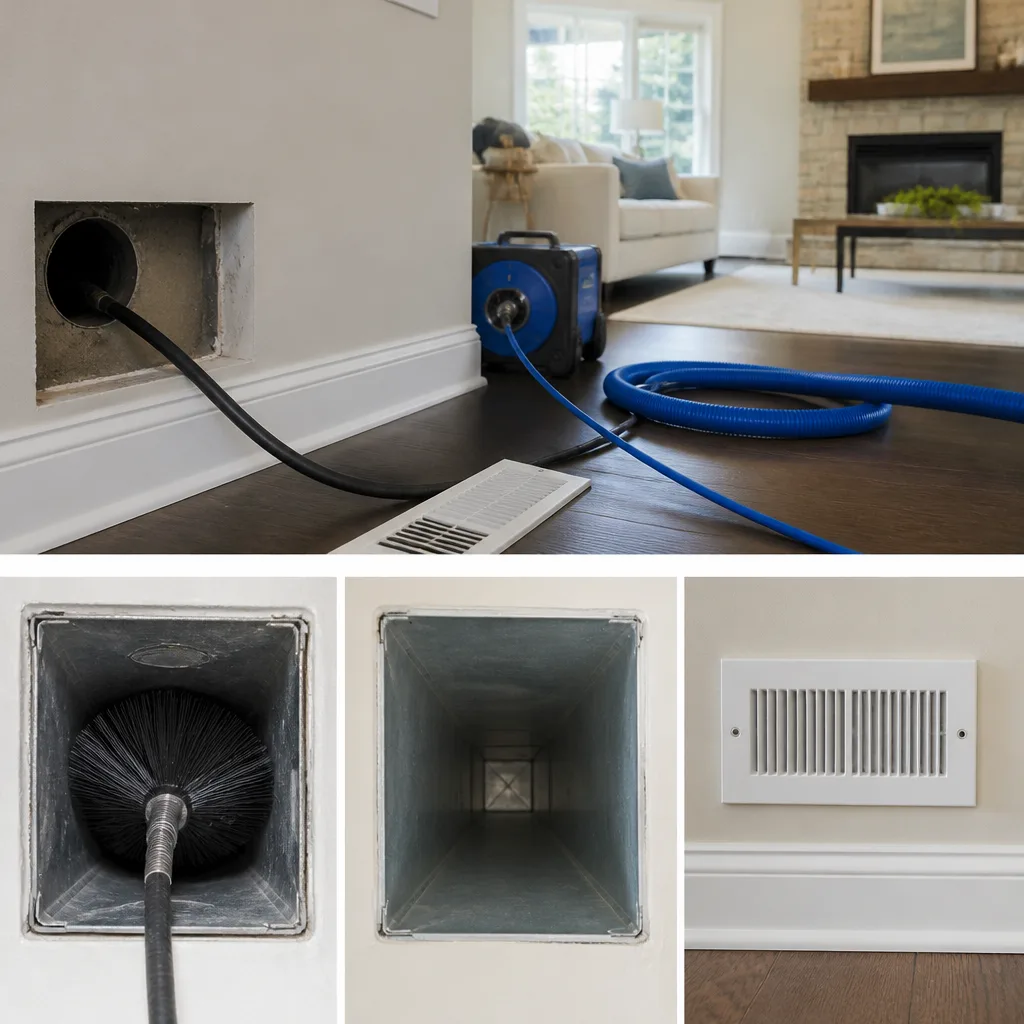 Whole-home duct cleaning
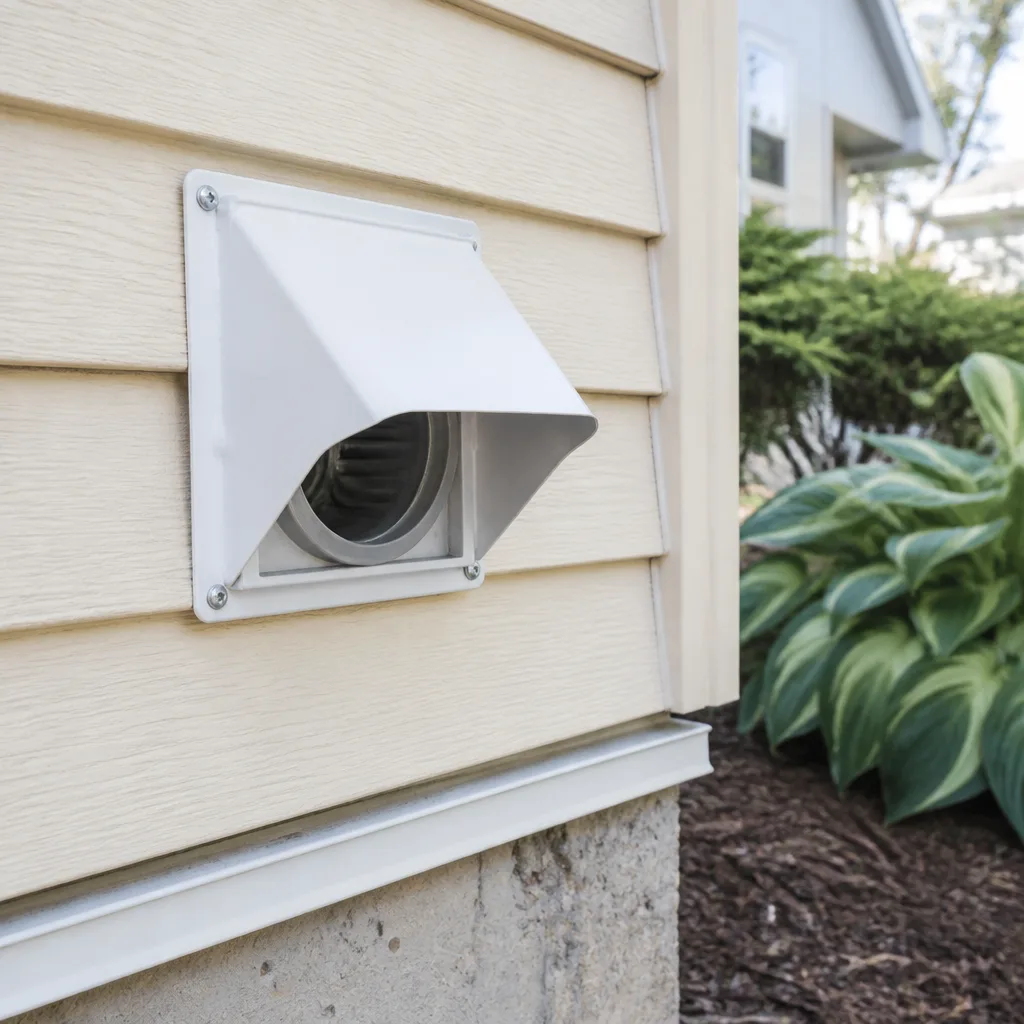 Dryer vent cleaning
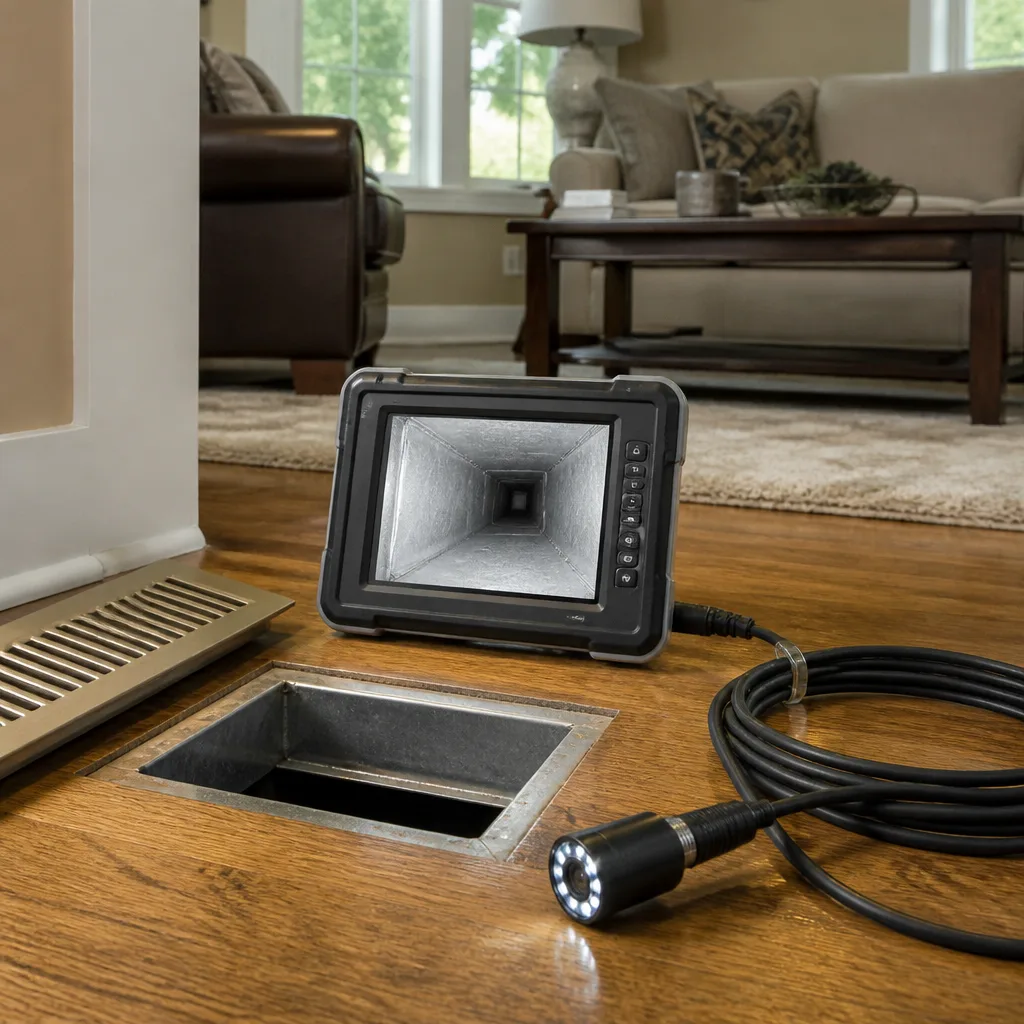 Camera inspection
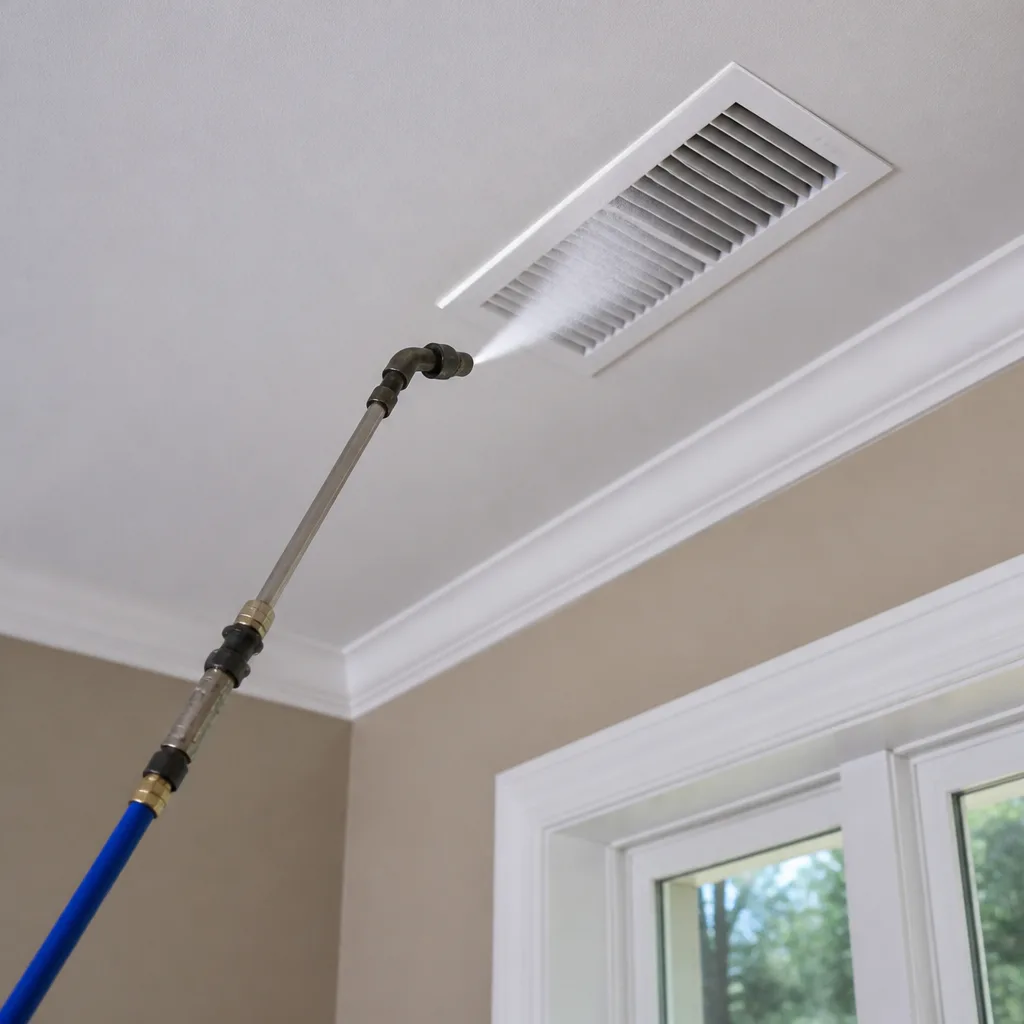 Sanitizing & deodorizing
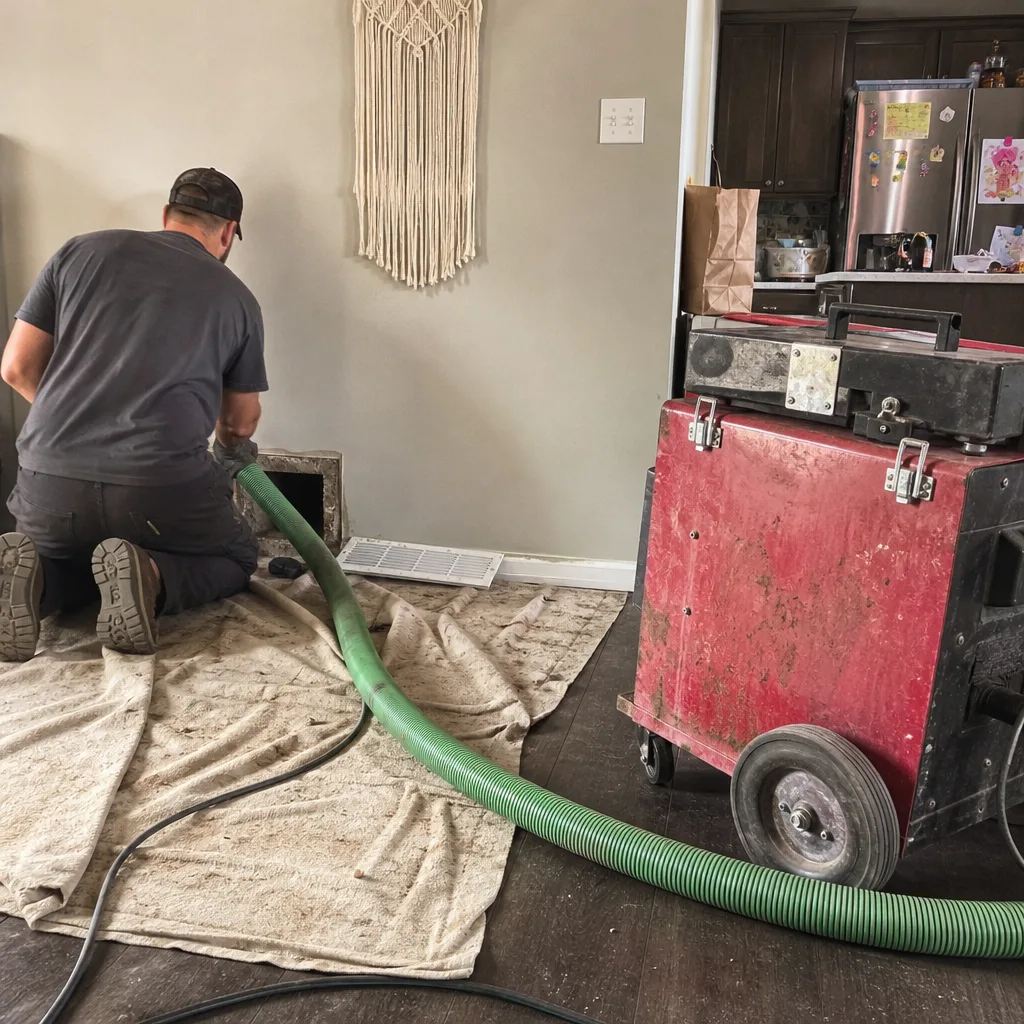
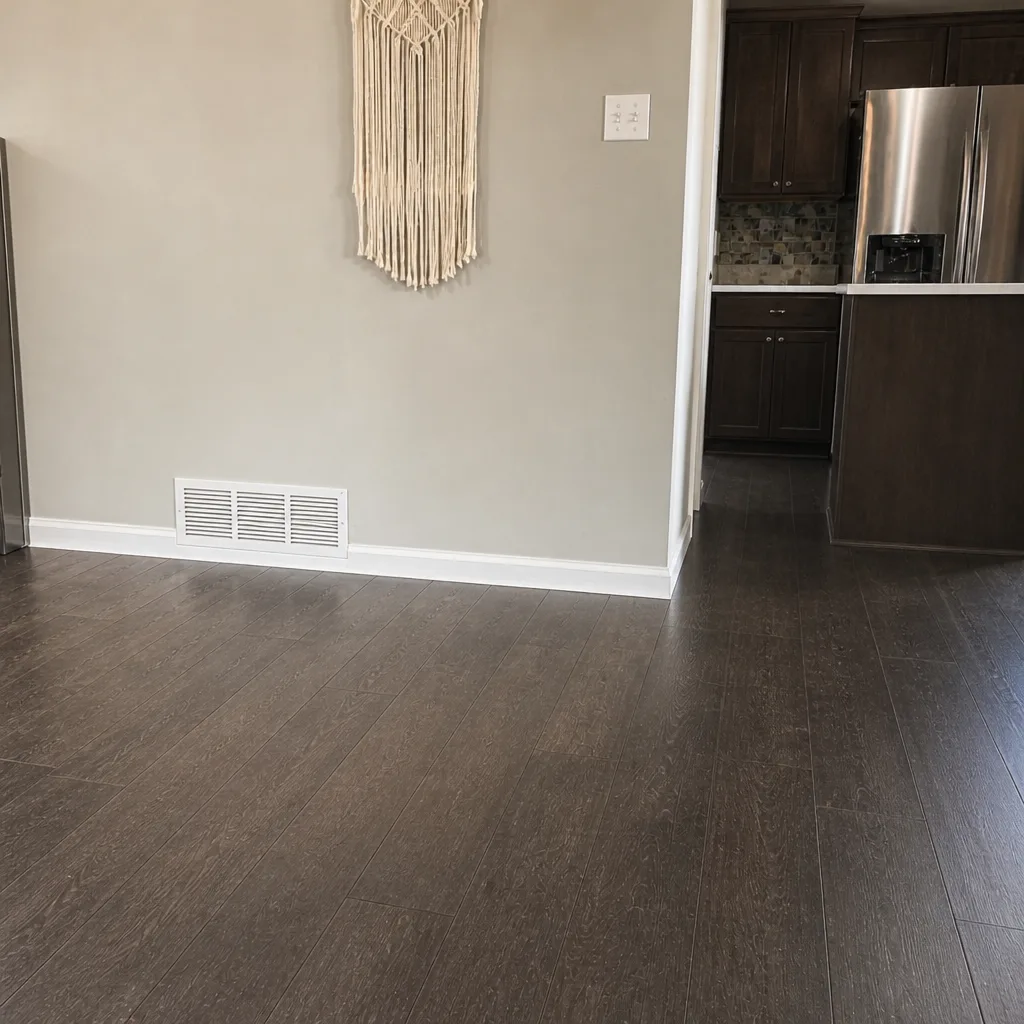
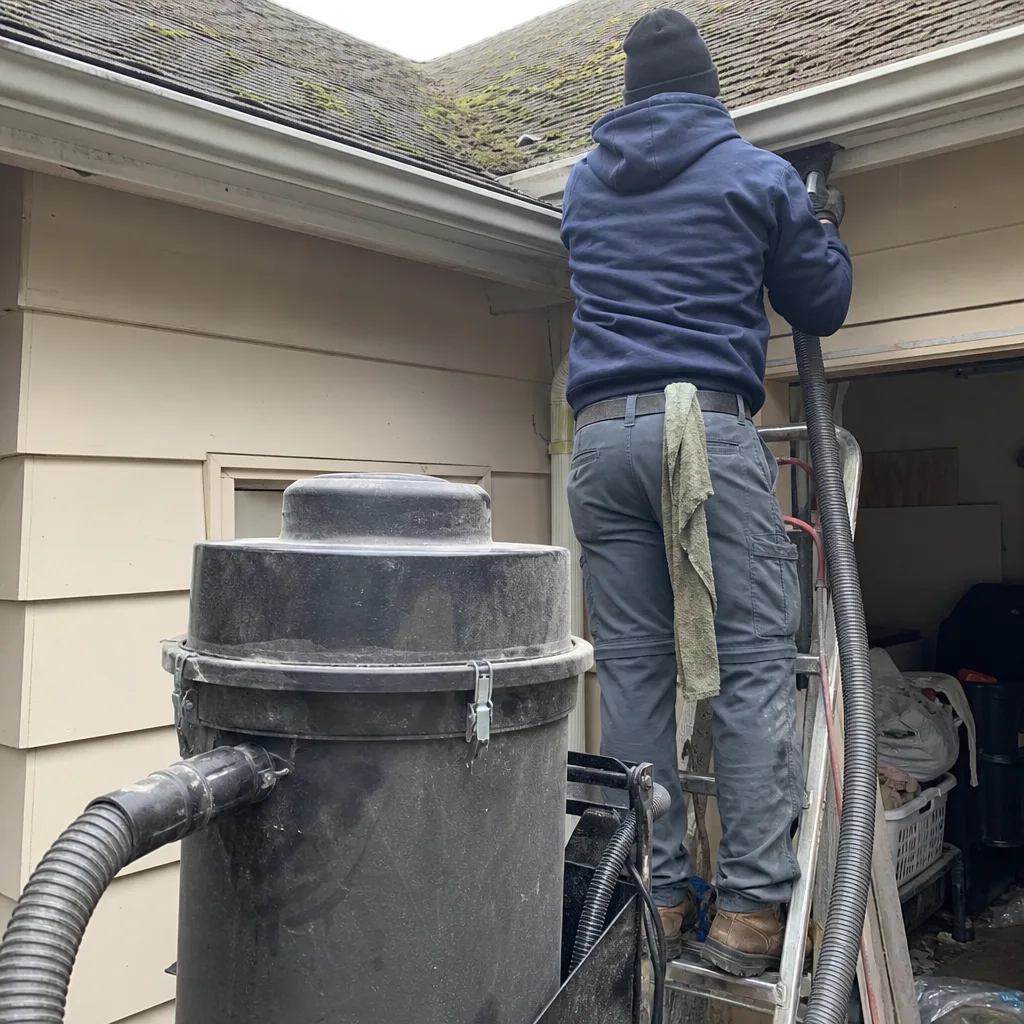
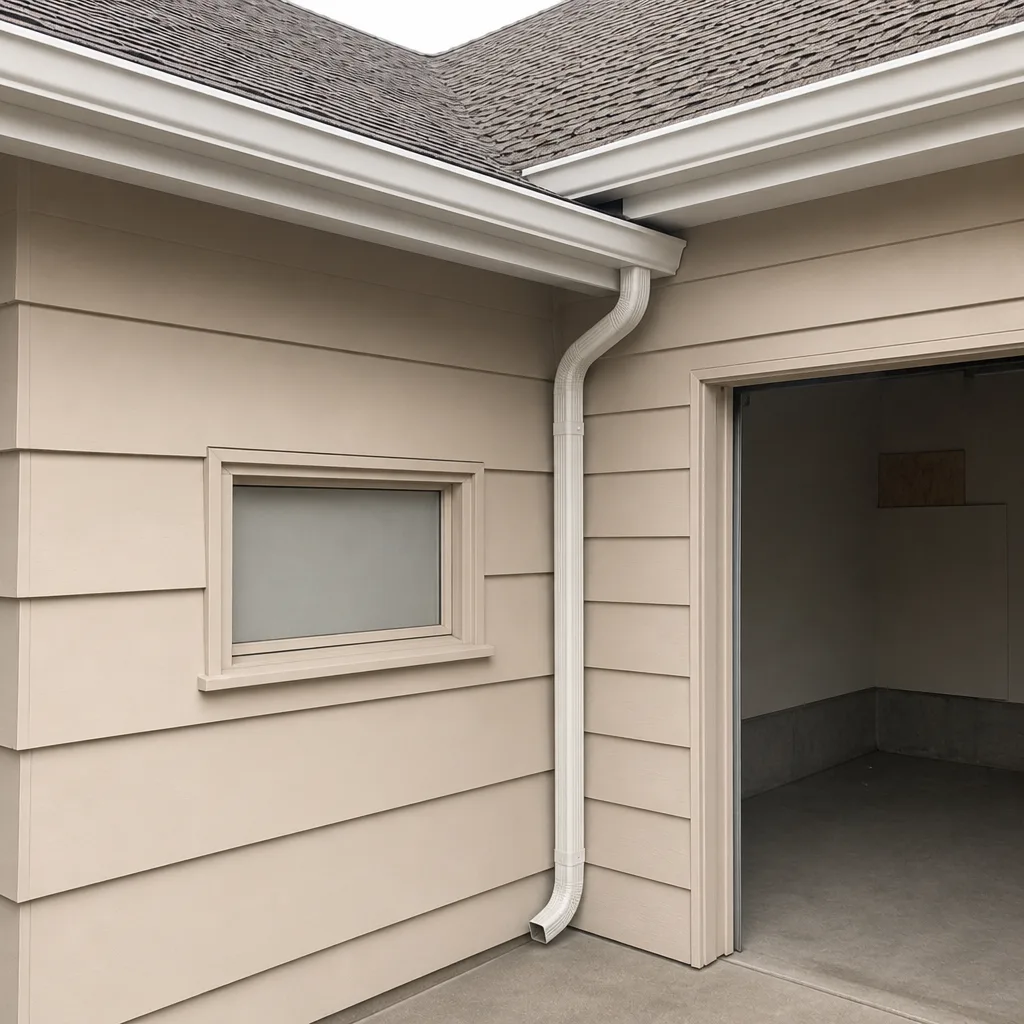
Whole-system duct and dryer vent check with before-and-after photos - you see exactly what came out of your vents
That "$99 whole-house special" is a bait ad - the real number appears once they are in your hallway, or the "clean" is a shop-vac at the register. We photograph the inside of your ducts before and after instead.
Seasonal Air Duct Cleaning Care for Auburn: Year-Round Homeowner’s Guide
Most homeowners treat duct cleaning as a once-a-decade chore, something to schedule when the vents look dusty or a coupon shows up in the mail. In Auburn, that approach leaves you a step behind the actual problem. Your duct system doesn’t face one climate here; it faces four distinct ones every year, from the wet, heavy air of winter to the smoke that drifts in during late summer. Each season loads the system differently, and a single annual cleaning can’t address what’s accumulating between visits. This guide walks through what to inspect, clean, and adjust month by month, so you’re responding to what’s actually in your ducts rather than guessing.
Styles & brands we work with
- Whole-home duct cleaning
- Dryer vent cleaning
- Camera inspection
- Sanitizing & deodorizing
Quick Answer
Air ducts in Auburn should be inspected and cleaned with the changing seasons, not on a fixed yearly schedule. Fall calls for a full cleaning before the heat comes on, winter is about moisture control and filtration, spring targets pollen at the return grilles, and summer demands a post-smoke plan. Treating each season as its own maintenance window keeps contamination from bonding to duct interiors and recirculating through your home.
Table of Contents
- Why Auburn’s Climate Demands a Seasonal Approach
- Fall (September – November): Cleaning Before Heating Season
- Winter (December – February): Moisture, Dust Bonding, and Filter Upgrades
- Spring (March – May): Managing the Pollen Window
- Summer (June – August): The Smoke Season Protocol
- Year-Round: Using Your Thermostat’s Fan Setting to Audit Airflow
- Common Mistakes to Avoid
- When to Call a Professional
- Frequently Asked Questions
Why Auburn’s Climate Demands a Seasonal Approach
Auburn sits in a part of Western Washington where the weather doesn’t just warm and cool; it swings between distinct moisture and air-quality regimes. From October through March, outdoor relative humidity averages 80 – 90%. That’s a lot of water vapor in the air, and it doesn’t stay outside. It seeps into crawlspaces, garages, and attic spaces, and it finds its way into uninsulated flex duct runs. When warm air moves through a cold crawlspace duct in winter, the interior surface can collect condensation. That moisture turns fine dust into a sticky film that adheres to the duct wall instead of staying airborne where a vacuum can reach it.
Then summer flips the script. The wet season gives way to dry stretches and, increasingly, wildfire smoke that drifts into the valley. The particles in that smoke are small enough to pass through standard filters and settle deep in the system. The result is a duct network that faces two very different threats in the same year: moisture-driven buildup in the cold months and particulate loading in the warm ones.
This is why a seasonal rhythm matters more here than in a place with steady humidity or clean summer air. A spring cleaning catches winter’s condensation dust. A fall cleaning catches summer’s smoke residue before the heat exchanger starts pushing it back into living spaces. When we plan a full air-pathway service, the timing is as important as the equipment.
Fall (September – November): Cleaning Before Heating Season
Fall is the most important cleaning window of the year in Auburn. Once the furnace or heat pump starts running regularly, every particle sitting in the ducts gets warmed, dried, and pushed into the rooms you live in. Cleaning before that first sustained cold snap means you’re not heating last summer’s smoke particulate and blowing it through the house all winter.
Here’s what a proper fall inspection and cleaning should cover:
- Blower wheel inspection. The blower is the heart of the air handler. Dust and smoke residue collect on the blades and, over time, throw the wheel out of balance and reduce airflow. A blower that’s caked with debris can’t move air efficiently no matter how clean the ducts are.
- Heat exchanger access. Before heating season, the heat exchanger needs to be inspected for debris buildup and, in a gas system, checked for integrity. This is a safety-critical step; a compromised heat exchanger can introduce combustion byproducts into the airstream.
- Return air plenum. The plenum is where return air gathers before entering the air handler. It’s a magnet for summer smoke particulate and the fine dust that settles when the system is idle. Cleaning it prevents that load from being redistributed once airflow resumes.
- Supply and return ducts. A full contact-vacuum cleaning with negative-pressure containment keeps loosened debris from drifting back into the house during the process.
- Grille and register cleaning. The visible surfaces collect dust that re-enters the room every time the system cycles.
If you’re scheduling a full cleaning this fall, this is the right moment to book air duct cleaning so the work is done before the thermostat switches over for the season.
Winter (December – February): Moisture, Dust Bonding, and Filter Upgrades
Winter in Auburn is when the moisture problem compounds. Running forced-air heat in a wet season does two things at once: it dries the indoor air while the outdoor air stays saturated, and it drives warm air through duct runs that may sit in cold crawlspaces. The temperature differential across an uninsulated flex duct is exactly what produces interior condensation. That condensation bonds dust to the duct wall, and once dust is bonded, a standard cleaning pass won’t lift it as easily.
This is where filter selection actually changes outcomes. Not all filters are equal, and the difference between MERV-11 and MERV-13 isn’t marketing:
- MERV-11 captures a broad range of particles including many mold spores and fine dust, while keeping pressure drop modest. It’s a reasonable winter choice for most Auburn homes because it handles condensation-related particulate without overloading the blower.
- MERV-13 captures finer particles, including more smoke and some virus-carrying droplets, but it restricts airflow more. In a system with undersized returns or a marginal blower, a MERV-13 can raise static pressure enough to reduce airflow and, ironically, worsen dust settling because the system runs longer and pulls harder.
The practical rule: match the filter to the system, not to the marketing. A filter that’s too restrictive for your duct design can drop airflow and increase the very accumulation you’re trying to prevent. Upgrading filtration is often best paired with a whole-home air quality solution. Brands like Aprilaire make filtration cabinets designed to hold a high-MERV media filter without the pressure penalty of a thick box-store filter in a thin slot.
Winter is also when you should watch your return grilles for a gray film that returns quickly after cleaning. That film is a sign the system is pulling moist, particle-laden air from a space it shouldn’t, often an unconditioned crawlspace. Sealing leaks in the return path addresses the source; cleaning alone just resets the clock. We offer HVAC cleaning as part of the winter inspection so the air handler, coil, and blower are all addressed together.
Spring (March – May): Managing the Pollen Window
Western Washington has a short but intense pollen season, and Auburn sits right in the middle of it. Cedar, alder, and big-leaf maple release pollen in a window that can run from late February into May, and that pollen doesn’t just coat your car. It gets pulled into the return grilles and, if the filter can’t hold it, into the ducts themselves. Spring cleaning is about catching that load before it becomes part of the system’s baseline dust.
The natural instinct is to add a heavier filter at the return grille to stop pollen at the door. That can backfire. A dense grille filter restricts the return, raises static pressure, and forces the blower to work harder for less airflow. The result is uneven room temperatures and, in some cases, a system that struggles to move enough air to keep the coil from icing.
How to manage grille-level filtration without choking airflow
- Check your return grille sizing before adding a filter. A grille sized for cheap fiberglass is often too small for a high-MERV pleated filter. If the slot is thin, use a lower-MERV pleated filter rather than a thick media filter that blocks the opening.
- Look for static pressure clues. Weak airflow at registers, a blower that sounds strained, or rooms that don’t heat or cool evenly are signs the filter is too restrictive.
- Clean grilles and registers at the start of the pollen window. Pollen collects on the grille face first. A quick vacuum of the visible surfaces removes a large share of the load before it gets pulled deeper.
- Consider a media filter cabinet. A dedicated filter cabinet holds a deeper, higher-capacity filter with less pressure drop than a thin slot filter. This is the right way to get high filtration without starving the system for air.
- Schedule a spring cleaning if you skipped fall. Pollen that’s already in the ducts won’t come out through a filter change alone.
Spring is also a good time to check the dryer vent, since lint and pollen season overlap and a clogged vent is a documented fire risk in any season. A dryer vent cleaning visit is a straightforward way to close that safety gap.
Summer (June – August): The Smoke Season Protocol
Summer in Auburn brings the opposite problem from winter: dry air, and with it the wildfire smoke that has become a recurring part of the season across the region. Smoke particles are fine enough to slip past standard filters and settle deep in ducts and on the blower. A single smoke event can load the system with particulate that a normal filter change won’t clear.
Here’s how to run your system during a smoke event:
- Run the system in recirculation mode. Recirculation keeps indoor air moving through the filter rather than drawing in outdoor air. If your thermostat has a fresh-air or economizer function, turn it off during a smoke event.
- Close windows and doors and seal obvious gaps. Outdoor air that leaks in carries smoke with it. The goal is to reduce the load the system has to filter.
- Change the filter on a shorter cadence. A filter that would normally last a full season can load up in a couple of weeks during heavy smoke. Check it more often and replace when it’s visibly gray or the airflow drops.
- Don’t run the fan continuously in smoke season unless the filter is rated for it. A running fan pulls air through the filter constantly, which is good for filtration but hard on the filter during heavy smoke. Match the fan setting to the filter’s capacity.
A post-smoke-event cleaning should include more than a vacuum pass through the supply ducts. It should address the return plenum, the blower wheel, the coil, and the duct interiors, with negative-pressure containment so loosened smoke particulate doesn’t drift back into living spaces during the process. Abatement Technologies containment equipment is what makes that possible: it holds the working area under negative pressure so debris stays in the system until it’s captured.
Negative-pressure containment is also why a full-system cleaning is more than just a duct sweep. In our experience, the smoke that settles on the blower and coil is what causes the lingering smell and the reduced airflow long after the visible dust is gone. Cleaning the entire air pathway, from intake to exhaust, is what actually resets the system.
Year-Round: Using Your Thermostat’s Fan Setting to Audit Airflow
Most homeowners set the fan to “auto” and forget it, or leave it “on” continuously because someone told them it improves filtration. Both choices have a place, but the fan setting is also a diagnostic tool that’s underused. Running the fan continuously pulls air from wherever the system can find it, and in a leaky return path that means pulling unconditioned crawlspace air into the system year-round. That’s the opposite of what you want in a wet climate.
Here’s how to use the fan setting strategically:
- Start on “auto.” Auto runs the fan only when the system calls for heat or cooling. That’s the right default for most Auburn homes because it minimizes the time the system spends pulling air from leaky returns.
- Switch to “on” briefly to audit airflow balance. Run the fan continuously for a short stretch and walk through the house feeling the airflow at each register. Weak registers and strong ones tell you where the system is unbalanced.
- Watch for temperature stratification. If some rooms are noticeably warmer or cooler with the fan on, the duct system may have leaks or undersized runs. A balanced system should hold temperatures within a few degrees room to room.
- Check for a crawlspace smell when the fan is on. If running the fan brings an earthy or musty smell into the house, the return path is likely pulling air from an unconditioned space. That’s a duct-sealing problem, not a cleaning problem.
- Return to “auto” after the audit. Continuous fan operation has its place for filtration, but only when the returns are sealed and the filter is matched to the load.
This audit takes a few minutes and tells you more about your system than a visual inspection of the vents. If the fan test reveals airflow or temperature problems, a duct inspection and sealing service often solves what cleaning alone can’t. Sealing addresses the root cause of contamination re-entry; cleaning removes the contamination that’s already there. You need both for a system that stays clean. The full range of what we do lives on our Auburn Air Duct Cleaning Pros page.
Common Mistakes to Avoid
- Cleaning only the supply ducts. Contamination enters through returns first. Cleaning supply runs while leaving the return and plenum untouched just leaves the source in place. A full air-pathway service covers intake to exhaust.
- Choosing the highest MERV you can find. A filter that’s too restrictive for your duct design raises static pressure and reduces airflow. That can cause the system to run longer and pull more dust in. Match the filter to the system, not the label.
- Ignoring the blower and coil. Visible duct dirt gets the attention, but the blower wheel and evaporator coil are where a lot of the airflow loss and odor originates. Cleaning the ducts without cleaning the components just moves the problem.
- Treating the annual filter change as a duct-cleaning substitute. Filters capture what’s airborne; they don’t remove dust that has bonded to the duct wall after a wet winter or a smoke event. Cleaning is a separate task with a different cadence.
- Skipping the crawlspace duct inspection in a wet climate. Uninsulated flex runs in a crawlspace can develop interior condensation from October through March. If you don’t inspect those runs, you’re cleaning ducts that are actively re-wetting and re-bonding dust.
- Running the fan continuously without sealing the returns. In a wet climate, a continuous fan on a leaky return path pulls humid crawlspace air into the system year-round. That’s the opposite of the filtration benefit the fan setting is supposed to provide.
- Letting dryer lint accumulate. Dryer vents are a documented residential fire risk, and lint buildup is the mechanism. Treat dryer vent cleaning as a safety task in its own right, not an afterthought to duct cleaning.
When to Call a Professional
Some maintenance tasks are DIY-friendly: changing a filter, vacuuming a grille, walking through the house to feel the airflow. Others aren’t. Call a professional if you see visible mold inside a duct, if running the fan brings a musty or earthy smell into the house, if the blower wheel or coil is caked with debris, if airflow is noticeably weak or uneven across rooms, or if a post-smoke-event cleaning is needed and you’re not sure the system got truly clean. If your winter or spring inspections keep finding the same gray film returning to the return grilles, that’s a sign the duct system has leaks that need sealing, not just cleaning. Those are the jobs that need contact-vacuum equipment, negative-pressure containment, and a technician who can tell the difference between contamination and the source of it. Auburn Air Duct Cleaning Pros offers free estimates in Auburn. Call (833) 513-8095.
Frequently Asked Questions
Most Auburn homes benefit from a cleaning twice a year, once in fall before heating season and once after the smoke season ends in late summer. Homes with pets, allergy sufferers, or uninsulated crawlspace ducts may need more frequent visits. The seasonal cadence matters more than a fixed number of months, because the threats change with the weather.
MERV-13 is worth it if your system can handle the pressure drop. It captures finer particles, including more smoke, which matters in summer. But in a system with undersized returns, a MERV-13 can raise static pressure enough to reduce airflow and worsen accumulation. We recommend matching the filter to the system, and a media filter cabinet is often the better way to get high filtration without the airflow penalty. Call (833) 513-8095 for an exact quote.
Fast-reappearing gray film in winter is a sign the return path is pulling moist, particle-laden air from an unconditioned space, usually a crawlspace. The moisture makes dust stick, so it returns quickly after cleaning. The fix is sealing the return path, not cleaning more often. A duct inspection will confirm whether that’s what’s happening.
A post-smoke cleaning should cover the blower wheel, the coil, the return plenum, and the supply and return duct interiors, with negative-pressure containment so loosened particulate doesn’t drift back into living spaces. A vacuum pass through the supply ducts alone won’t clear the smoke that’s settled on components. Ask the contractor what equipment they use for containment before booking the job.
Continuous fan can improve filtration, but only when the returns are sealed and the filter is matched to the load. On a leaky return path in a wet climate, running the fan continuously pulls humid crawlspace air into the system year-round, which drives condensation and dust bonding in the ducts. Use the fan setting to audit airflow, then return it to auto unless the system is sealed and properly filtered.
Ask for before-and-after photos of your own ducts, not a stock image, and ask how containment was handled during the cleaning. A negative-pressure process keeps debris in the system until it’s captured, so there’s no redepositing in the living space. If a contractor can’t show you the work or explain the containment, that’s a reason to ask more questions. Call (833) 513-8095 for a free estimate.
The Bottom Line
Auburn’s climate doesn’t hold still, and neither should your duct maintenance. Fall cleaning before heating season catches the summer smoke load. Winter is about moisture control, filter selection, and watching for re-wetting in crawlspace duct runs. Spring targets the cedar, alder, and big-leaf maple pollen window at the return grilles. Summer brings the smoke season protocol, which means recirculation mode, a shorter filter change cadence, and a post-event cleaning that covers the blower and coil, not just the ducts. And year-round, the thermostat’s fan setting is a diagnostic tool, not a background setting. Treat each season as its own maintenance window and the system stays ahead of the problem instead of perpetually chasing it.
Our technicians have up to 13 years of experience with full air-pathway service, including cleaning, repair, sealing, and sanitizing. We use professional-grade equipment from Rotobrush and Abatement Technologies for contact-vacuum cleaning and negative-pressure containment, and we work with air quality brands like Aprilaire when a filtration upgrade makes sense. The same local professional is licensed and insured as their state requires. Call (833) 513-8095 for a free estimate. We answer 24/7. Fast dispatch from 7am to 7pm, Sunday through Friday, closed Saturday.
Written by the team at Auburn Air Duct Cleaning Pros.
See the difference
 Before
 After
 Before
 After
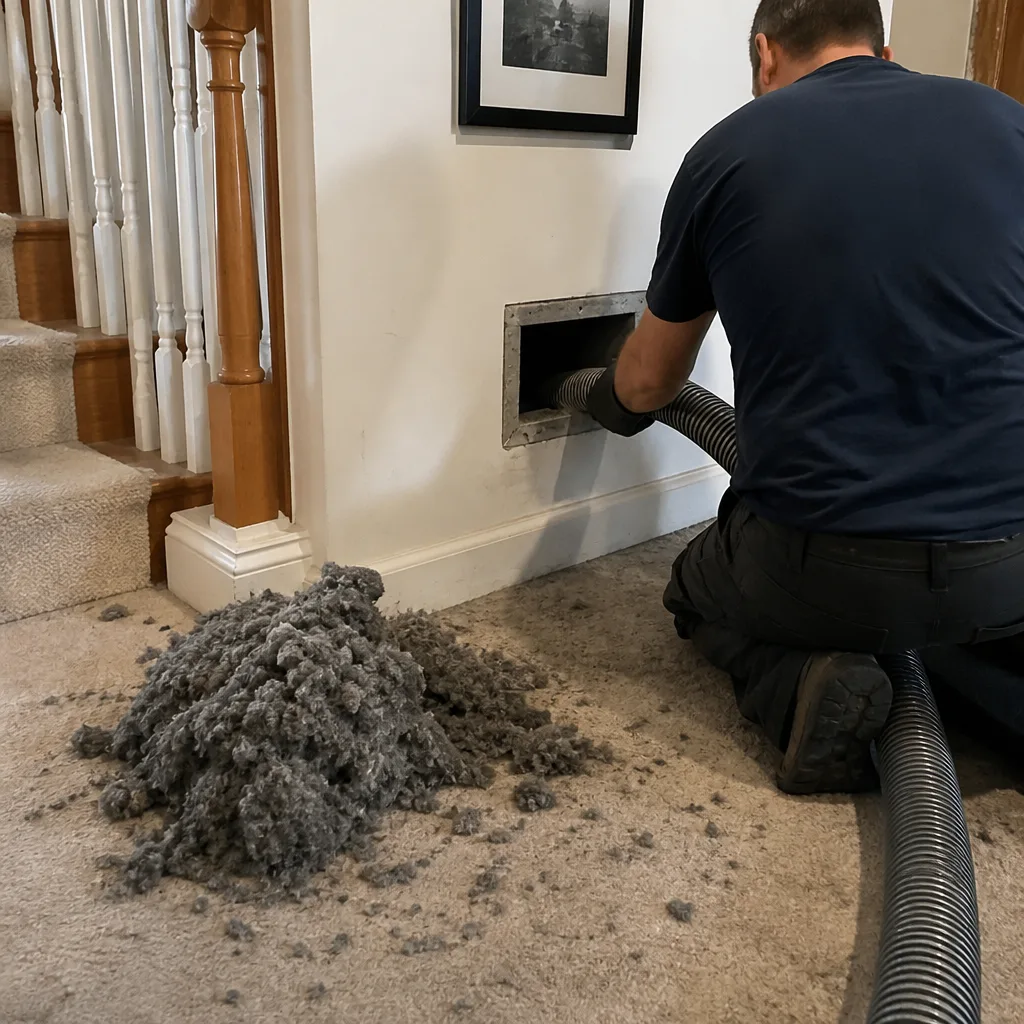 Before
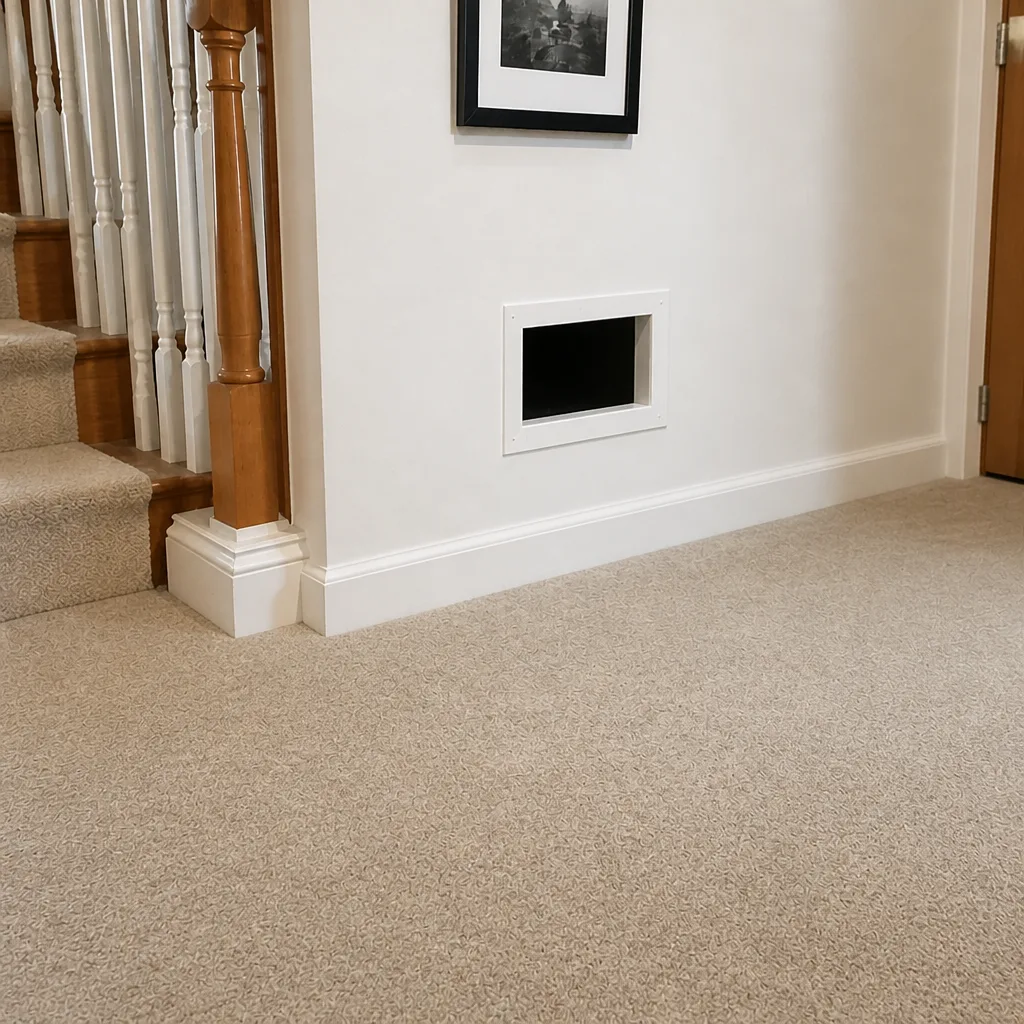 After