
Last updated November 25, 2026
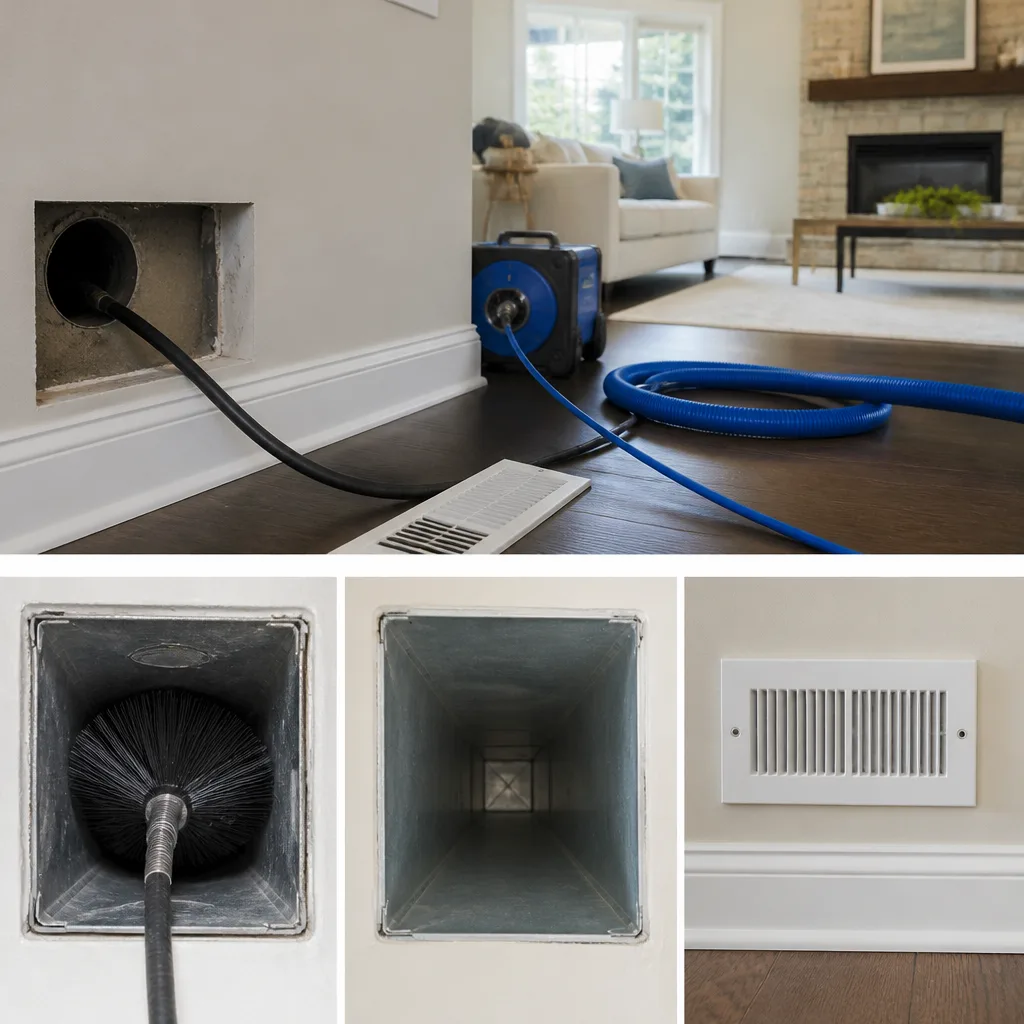 Whole-home duct cleaning
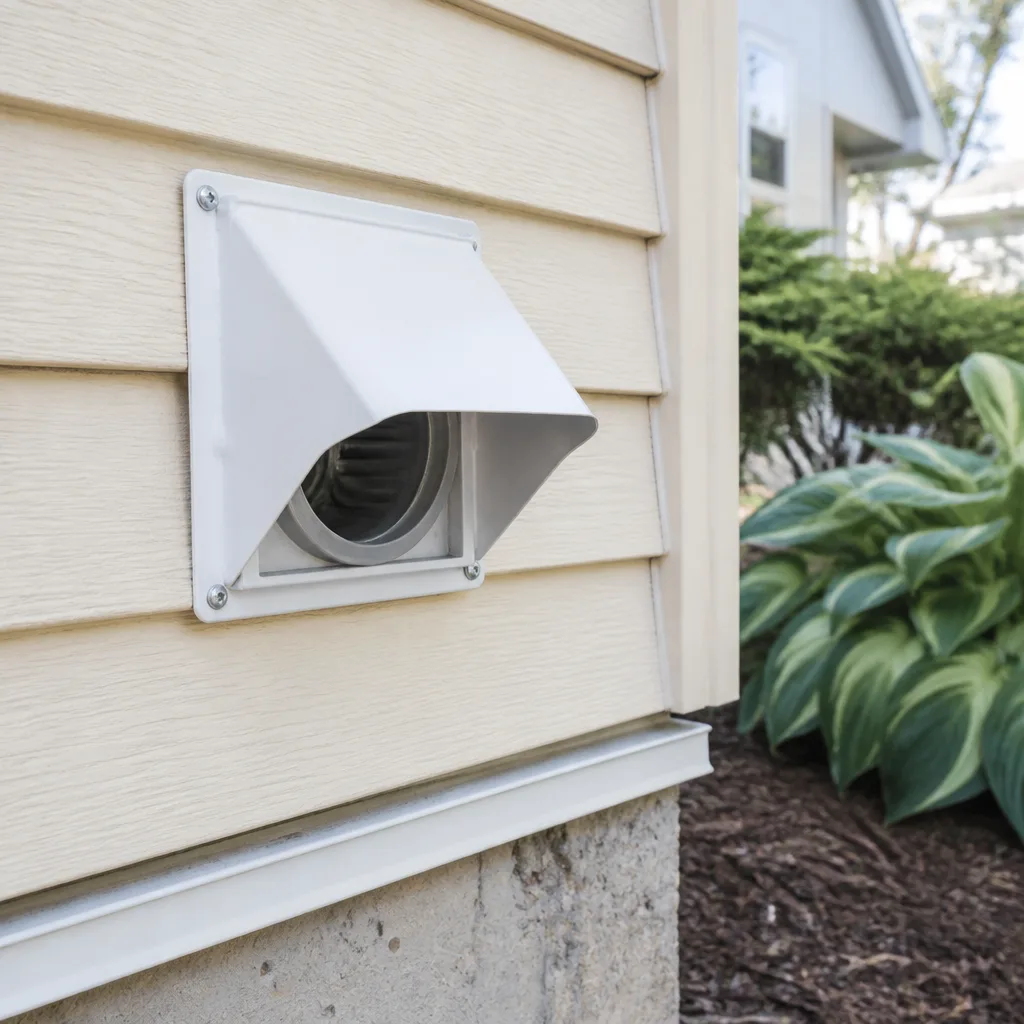 Dryer vent cleaning
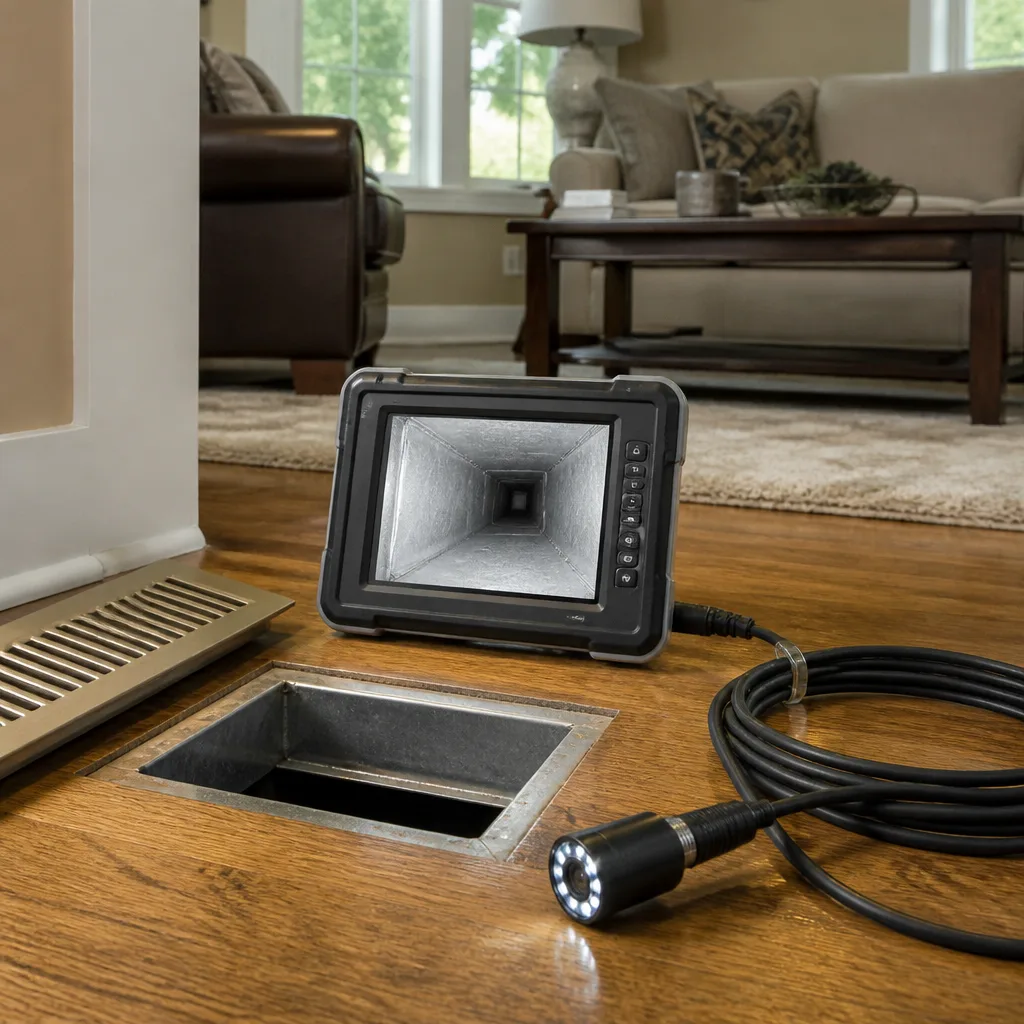 Camera inspection
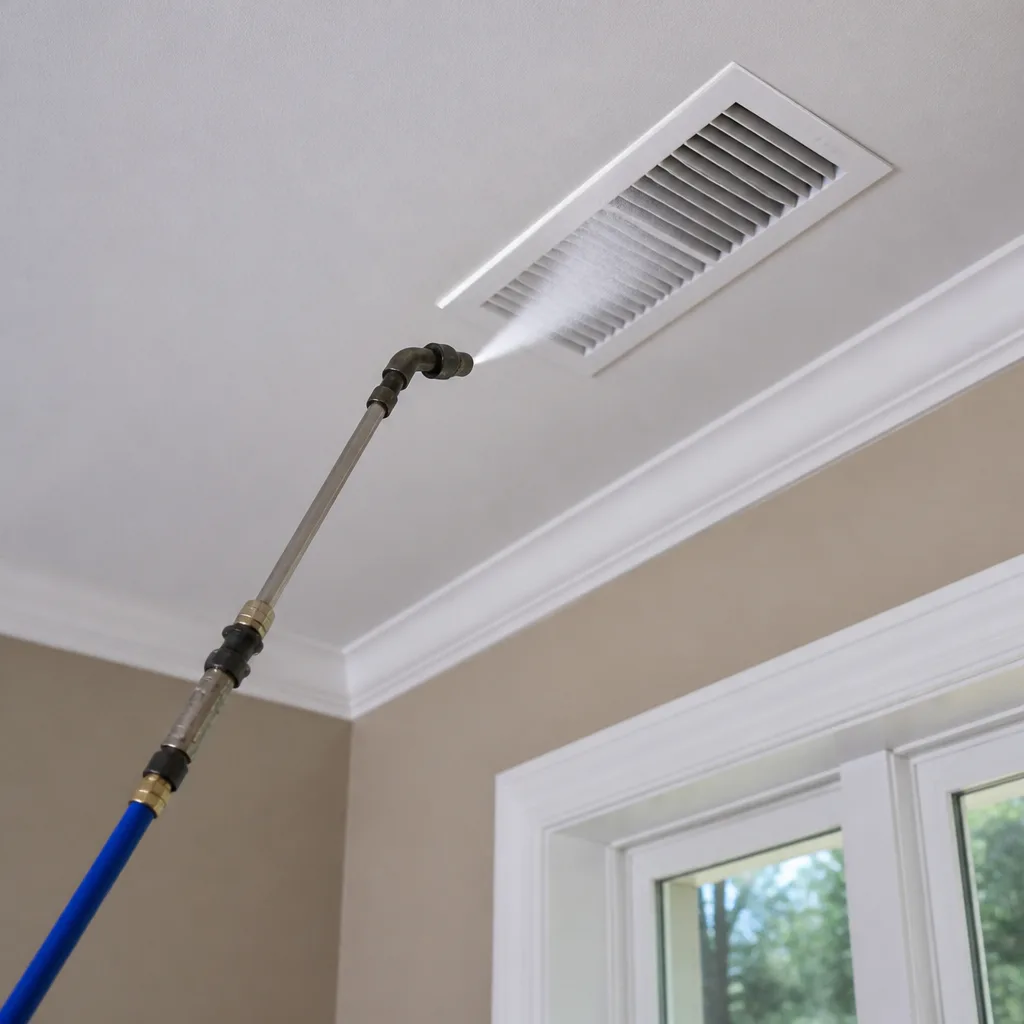 Sanitizing & deodorizing
Whole-system duct and dryer vent check with before-and-after photos - you see exactly what came out of your vents
That "$99 whole-house special" is a bait ad - the real number appears once they are in your hallway, or the "clean" is a shop-vac at the register. We photograph the inside of your ducts before and after instead.
Air Duct Cleaning Emergency Preparedness Guide for Auburn Homes
Most Auburn homeowners treat duct cleaning as a comfort purchase, something you schedule when the house starts smelling musty. That framing misses what ducts actually are: the one system in your home that touches every room at once, and the first place contamination settles after a smoke event, a flood, or a seismic shake. The counterintuitive part is that the filter you upgrade during a smoke event can trap fine particulate on the duct walls behind it, and only mechanical brushing lifts that layer. This guide walks through the three emergency scenarios that matter in Auburn, what to do before, during, and after. You’ll finish knowing when your system needs cleaning, when it needs repair, and when it needs a professional triage.
Quick Answer
Air duct cleaning for emergency preparedness in Auburn means preparing your HVAC system for wildfire smoke, flood events, and earthquake damage before they happen, then following a triage protocol in the first 24 to 48 hours after. Wildfire smoke and flood events usually require full mechanical cleaning of the duct interior. Earthquake damage usually requires inspection first, since disconnected joints and debris infiltration mean cleaning a system that needs repair is wasted effort. Your household emergency plan belongs on the same page as your duct maintenance records.
Styles & brands we work with
- Whole-home duct cleaning
- Dryer vent cleaning
- Camera inspection
- Sanitizing & deodorizing
Table of Contents
- The Three Emergency Scenarios That Affect Auburn Ducts
- Wildfire Smoke Infiltration and Your Duct System
- Flood and High-Water Crawlspace Events
- Earthquake Damage and Duct Integrity
- Pre-Event Preparation: What Works and What Doesn’t
- Post-Event Triage Checklist: First 24 to 48 Hours
- Auburn and King County Preparedness Resources
- Documentation Protocol for Insurance Claims
The Three Emergency Scenarios That Affect Auburn Ducts
Auburn sits in a region where wildfire smoke, seasonal flooding, and seismic activity are all documented recurring risks. Each one contaminates a duct system in a different way, and each one requires a different response protocol. Treating them all as “get the ducts cleaned” wastes money on the wrong service or leaves contamination in place.
The three scenarios break down like this:
- Wildfire smoke infiltration. Fine particulate (PM2.5) and odor compounds enter the return-air side of the system, bond to duct walls, and settle in insulation facing. The filter catches a fraction of it. Mechanical brushing is the only reliable removal method.
- Flood or high-water crawlspace events. Water reaching flex duct runs, boots, or duct insulation creates conditions for microbial growth inside the duct interior. Cleaning alone doesn’t fix it; the affected runs usually need replacement.
- Earthquake damage. Shaking disconnects joints, opens seams, and drops debris from the attic or crawlspace into duct runs. The system may look fine and leak 30% of its air into the structure. Inspection comes before cleaning.
Each scenario has a different urgency clock. Smoke contamination settles in over days. Flood contamination develops over hours. Earthquake damage is immediate, but the cleanup timeline runs for weeks while the structure settles. Knowing which scenario you’re dealing with is the first decision point. Every step after that flows from it.
In our experience, the most common mistake Auburn homeowners make is applying the smoke protocol to a flood event or the flood protocol to an earthquake. The results range from wasted money to a duct system that stays contaminated for years.
Wildfire Smoke Infiltration and Your Duct System
During the 2020 Western Washington smoke event, fine particulate matter penetrated homes with MERV-8 filtration within 2 to 4 hours of running forced-air systems. That penetration figure matters because it tells you how fast the indoor air quality collapses once the outdoor PM2.5 spikes. It also tells you that the filter isn’t the whole solution. Filters catch particulate at the air handler; they don’t clean the duct walls behind them.
What makes smoke contamination different from ordinary dust is bonding behavior. The fine particulate in wildfire smoke carries a chemical signature from burned material, and it sticks to duct surfaces, especially where the airflow slows at turns and in the return plenum. Odor compounds settle into the same surfaces. This is why a house can smell like a campfire weeks after the smoke clears even though the filter has been changed twice.
Post-smoke duct contamination shows up in a few predictable places:
- Return duct interiors, especially the main trunk line and any long horizontal runs
- The air handler cabinet and blower wheel, where particulate builds up as a sticky film
- Register boots (the short connector between the duct and the grille), where airflow slows
- Duct insulation facing that has absorbed odor compounds
- Filter slots and the immediate area around the filter rack
Removing this type of contamination requires contact vacuuming and mechanical brushing, which is why professional-grade equipment matters here. The air duct cleaning process, done properly, addresses the interior surface of the entire duct run, not just the visible portion behind the grille. Equipment from Rotobrush and Nikro handles the contact-vacuum and rotary-brush work that the smoke residue requires.
If the fire risk is still active and the smoke is ongoing, clean the system after the event, not during it. Cleaning during active smoke just exposes the duct interior to a fresh deposit right after the cleaning pass.
Flood and High-Water Crawlspace Events
Flooding and high-water crawlspace events hit Auburn’s duct systems differently than smoke does. The problem isn’t particulate; it’s moisture in places that should stay dry. Flex duct runs in a crawlspace with standing water or persistent high humidity absorb moisture into the duct insulation and inner liner. Once that liner stays wet for more than a day, microbial growth starts.
What makes flood damage tricky is that the duct system can appear intact while the interior is compromised. The exterior jacket looks fine. The inner liner is wet and growing colonies you can’t see. Running the HVAC system after a flood event can distribute that contamination through every room in the house.
A flood response protocol for the duct system looks like this:
- Turn off the HVAC system immediately. Do not run the fan to “dry it out” – that distributes contamination through the supply runs.
- Assess which runs were submerged or exposed to high humidity. Flex duct in a wet crawlspace is at higher risk than rigid metal duct mounted overhead.
- Document everything with photos before any drying starts. You’ll need this for insurance (see the documentation section below).
- Schedule a professional inspection. A technician with moisture readings and visual access can determine which runs need cleaning versus replacement.
- Replace, don’t just clean, compromised flex duct runs. Cleaning a wet, contaminated flex duct liner rarely restores it to a safe state.
Running the system after a flood event to “see if it works” is the single biggest mistake we see. The air handler is designed to move air, and it will move microbial contamination into every room just as efficiently as it moves clean air.
The HVAC cleaning component of a flood response includes the air handler, blower wheel, evaporator coil, and condensate pan. Any of these can harbor moisture and growth after a water event. Cleaning the ducts without addressing the air handler leaves the source of the contamination in place.
Earthquake Damage and Duct Integrity
Earthquake damage affects duct systems in ways that are easy to miss and expensive to ignore. The shaking disconnects joints in flex duct runs, opens seams in rigid metal duct, and shakes loose insulation and debris from the attic or crawlspace into the duct interior. The system keeps running, but it’s leaking heated or cooled air into the structure and pulling contaminated air in.
What a homeowner typically sees after a significant seismic event:
- Higher heating and cooling bills with no obvious cause
- Dust settling on surfaces faster than usual
- Uneven room temperatures or rooms that don’t heat or cool properly
- Visible gaps at duct joints or between the duct and the register boot
- Debris visible inside registers when you remove the grille
A post-earthquake inspection protocol differs from the smoke or flood protocol because cleaning a system with integrity problems is wasted effort. The sequence matters:
- Inspect the duct system for disconnections, seam separation, and crush damage before cleaning. The duct integrity inspection comes first.
- Repair and seal any identified joints, seams, and boots. Duct repair and sealing alongside cleaning addresses the root cause rather than the symptom.
- Clean the duct interior after the repairs are complete. Cleaning before repairs leaves the newly cleaned duct exposed to the same infiltration sources.
- Verify the repairs with a pressure or airflow test if accessible. A sealed system is a clean system over time.
Our Auburn Air Duct Cleaning Pros team includes duct repair and sealing as a separate service category for exactly this reason. If we find disconnected joints during a cleaning visit, we can fix them rather than handing you a problem report.
For earthquake recovery, note that aftershocks can re-open freshly sealed seams. Seal first, clean second, and re-inspect after the aftershock period ends.
Pre-Event Preparation: What Works and What Doesn’t
Most of the value in duct system emergency prep happens before the event. A few specific measures reduce contamination during a smoke or flood event. Plenty of the advice floating around online does very little.
What works:
- A MERV-13 filter during smoke events. MERV-13 catches fine particulate down to the 1 to 3 micron range that MERV-8 largely passes. The trade-off is added air resistance, so check that your system can handle the higher MERV rating without overheating the blower.
- Filter racks and grilles sealed with removable tape during active smoke. Sealing the return grille during a smoke event (with the system off) reduces infiltration through the return path. Remove the tape before starting the system.
- Running the HVAC fan on low continuously during low-to-moderate smoke events with a MERV-13 filter. This turns the air handler into a whole-house filter unit. The filter must be rated for the duty cycle and changed frequently.
- A Honeywell or Aprilaire whole-home filtration or air cleaner installed by a professional before the event. These systems are designed for the duty cycle that a residential furnace filter isn’t. Installation before the emergency is the entire point.
- Basement and crawlspace dehumidification ahead of flood season. Keeping the crawlspace dry before the water arrives reduces the duct system’s exposure window.
What doesn’t work:
- Running a standard MERV-8 filter and expecting it to catch smoke particulate
- Closing all registers and grilles during a smoke event (the pressure imbalance pulls smoke in through other paths)
- Setting the system fan to “on” during an active flood event
- Using box fans and consumer air purifiers as substitutes for duct-level filtration during a smoke event
- Running a higher MERV filter than the blower is rated for and assuming it will work “well enough”
Negative-pressure containment during cleaning is the professional-side version of this. Abatement Technologies equipment enables the containment that prevents loosened debris from re-entering living spaces during the clean. Consumers can’t replicate that with tape and filters, but pre-event filtration reduces how much contamination ends up in the ducts in the first place.
Post-Event Triage Checklist: First 24 to 48 Hours
The first day after an event is when the decision gets made: clean, partial remediate, or full replacement. The observable indicators tell you which. Run through this checklist in order.
- Check the air handler filter first. If the filter is heavily loaded with soot or visible particulate, the duct system behind it almost certainly has the same loading. A lightly loaded filter after a smoke event is a good sign.
- Smell the return grilles. Persistent smoke odor at the return grilles a week after the event means odor compounds have settled into the duct surfaces and need mechanical cleaning.
- Look inside the registers with a flashlight. Visible soot, debris, or discoloration on the duct interior surface means contamination has reached the supply side. Disconnected or crushed duct indicates structural damage (earthquake scenario).
- Check for moisture. A moisture meter at the duct insulation in a crawlspace or basement tells you whether a flood event compromised the duct interior. Visible condensation on duct exteriors is a soft indicator.
- Note which rooms are affected. Contamination that shows up in one zone only suggests a localized problem. Contamination across every zone suggests the air handler or main trunk line is the source.
- Check the system airflow. Reduced airflow or uneven temperatures after an event point to a possibly disconnected or crushed duct (earthquake) or a blocked section (debris infiltration).
The triage decision maps roughly to the indicator pattern:
- Clean the ducts when the indicators are odor, visible particulate, and no structural findings.
- Clean and repair when indicators include disconnected joints, seam damage, or crush damage.
- Replace affected runs when indicators include moisture, microbial growth, or torn duct liners. Repair isn’t enough; the affected runs are no longer serviceable.
If you’re between cleaning and replacement, the safer call is replacement for the affected runs. Cleaning a compromised duct run is a temporary fix that usually comes back to the same decision in a year or two.
Auburn and King County Preparedness Resources
Auburn and King County run several resources that belong in your household emergency plan, specifically because they connect to HVAC system response.
- King County air quality alerts. During wildfire season, the county issues air quality alerts that tell you when the outdoor PM2.5 is high enough to warrant closing windows and filtering indoor air. Use these alerts as the trigger for your smoke protocol, not the smell test. By the time you can smell the smoke indoors, the ducts are already taking deposits.
- Washington State Emergency Management Division resources. The state publishes a household emergency preparedness guide that covers shelter-in-place, go-bag contents, and post-event documentation. The HVAC section in most guides is thin; this page is the supplement.
- Local earthquake preparedness guidance. King County publishes earthquake preparedness materials that include guidance on post-event utility checks and structural inspection. Add duct system inspection to the same list.
- Your insurance company’s claims portal. Before an event, know how to reach the claims line and how to submit photos. Post-event is not the time to be figuring out your carrier’s app.
Integrating your HVAC system response into the household emergency plan means adding three things to the go-bag and the emergency binder:
- A printed copy of your duct system layout (or the original installation drawings if you have them)
- A note on the filter size and MERV rating your system uses, so replacement filters can be sourced without measuring the old one
- The phone number for your HVAC contractor (ours is (833) 513-8095) and your insurance carrier
For ongoing indoor air quality beyond the emergency response, our Auburn Air Duct Cleaning Pros team installs filtration and air quality equipment from Honeywell, Aprilaire, and Guardsman. The right time to install whole-home filtration is before the smoke arrives, not during the event.
Documentation Protocol for Insurance Claims
Insurance claims for duct remediation after a covered event in Washington State depend on documentation that most homeowners don’t think to collect. By the time you know you need it, the evidence is often gone. Build the habit before an event.
The documentation that holds up in a claim typically includes:
- Photos of the duct interior before the event (baseline). If your ducts were clean before the event, you need proof. A photo of the register interior and a photo of the filter rack taken the last time the system was serviced give you the baseline that insurance claims need.
- Photos of the event’s impact on the home. Smoke intrusion into living spaces, water in the crawlspace, visible damage to ductwork. Take photos before any cleanup begins.
- Air quality readings. If you have a home air quality monitor that records PM2.5, screenshot the readings before and after the event. If you don’t, ask your HVAC contractor to take a reading during the inspection visit.
- A written inspection report from the contractor. The report should identify the affected runs, the contamination type (smoke, microbial, debris), and the recommended remediation (cleaning versus replacement), with photos attached.
- Receipts and service records from the cleaning or replacement. The invoice is part of the claim; the written estimate is not a substitute.
Two practical points matter here. First, document before cleanup. Insurance claims are often reduced when the loss adjuster can’t see the “before” state. Second, ask your contractor to include before-and-after photos of the duct interior. Photos of the duct interior before cleaning and after cleaning are the most useful documentation for a claim, and they’re also the best proof that the work was actually done.
Our team delivers before-and-after photos of the duct interior as part of the standard service, not as an add-on. The reputation of the duct cleaning industry has a problem with showing up, collecting a check, and not doing the work; the photos close that gap.
Common Mistakes to Avoid
- Running the HVAC fan after a flood event. The fan distributes microbial contamination from a wet crawlspace through every supply run. Turn the system off and let it dry before any professional inspection.
- Replacing the filter after a smoke event and assuming the ducts are clean. The filter catches particulate at the air handler. The duct walls behind it still hold the residue that only mechanical brushing removes.
- Skipping the inspection after an earthquake. Sealing and cleaning before inspection means re-doing both after the repair. Inspection comes first; cleaning comes after sealing.
- Sealing all the registers during a smoke event. The pressure imbalance pulls smoke in through paths you haven’t considered (door frames, attic penetrations). The better approach is filtration with the system running or off, not a sealed house.
- Documenting after cleanup. Photos taken after the cleanup starts miss the “before” state that the insurance claim needs. Photos first, cleanup second.
- Hiring on a coupon price for a post-event cleaning. After an event, the fleet of out-of-area contractors that arrives with a low coupon price and a final invoice that dwarfs it is a known pattern in Auburn. Ask for a per-system flat price before work starts, not a per-vent price.
- Treating the duct system as a one-time fix. After a smoke, flood, or earthquake event, the system needs a re-inspection at the end of the first heating season. Aftershocks open seams; a wet crawlspace keeps wet; smoke deposits settle into the newest filter if it’s loaded again.
See the difference
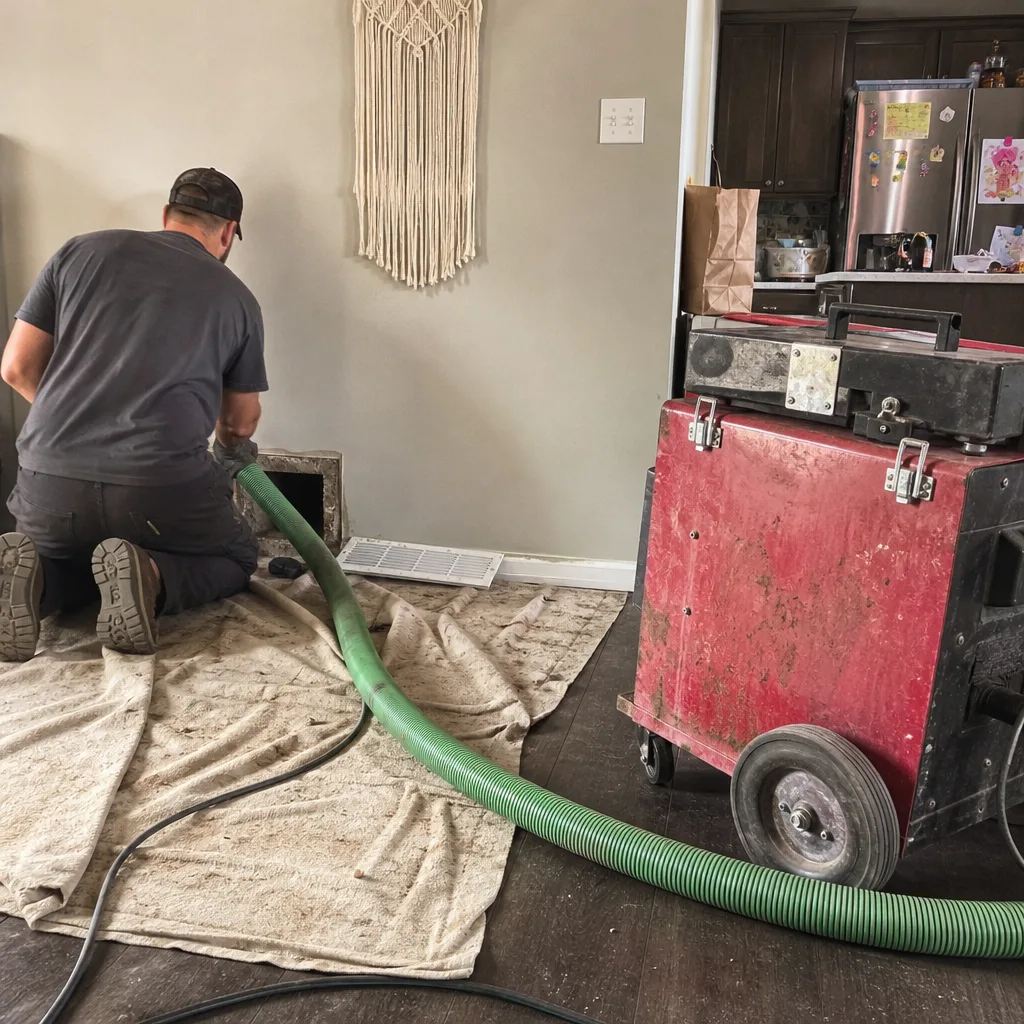 Before
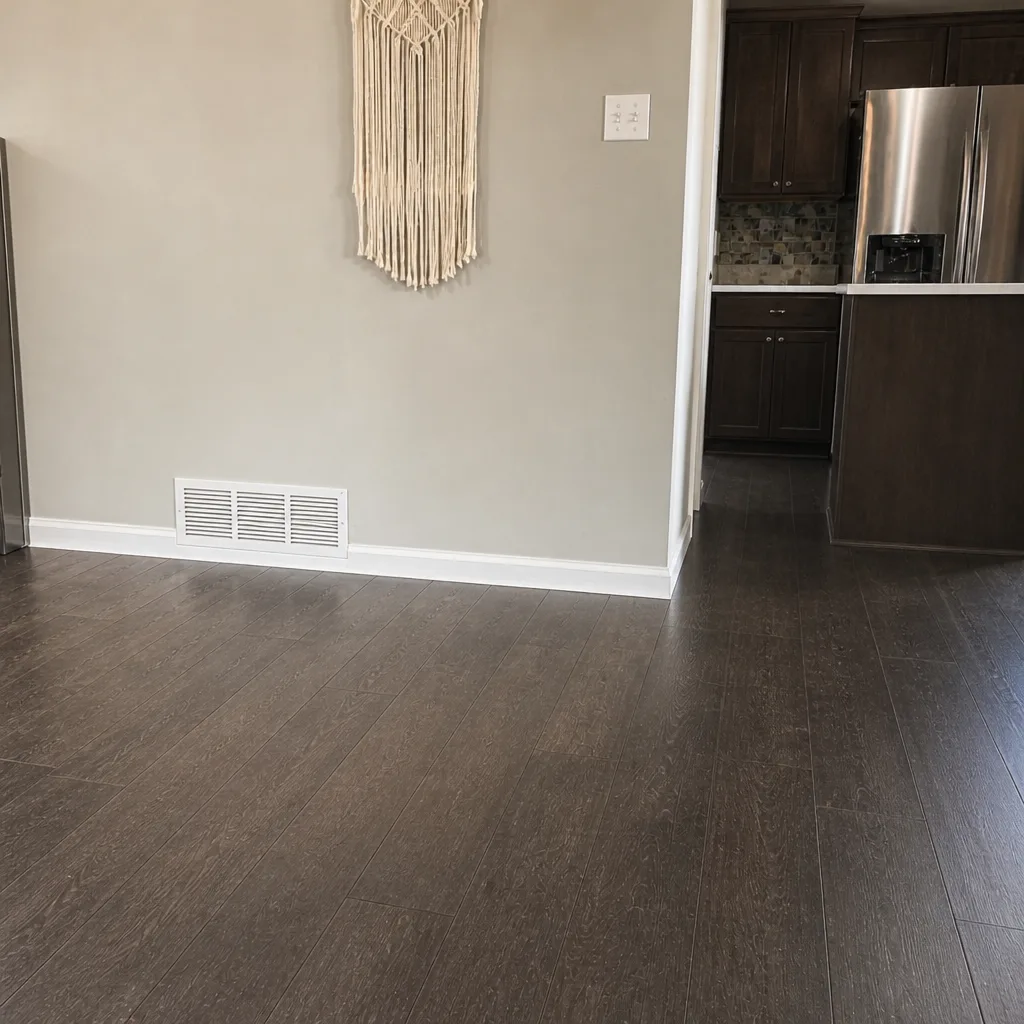 After
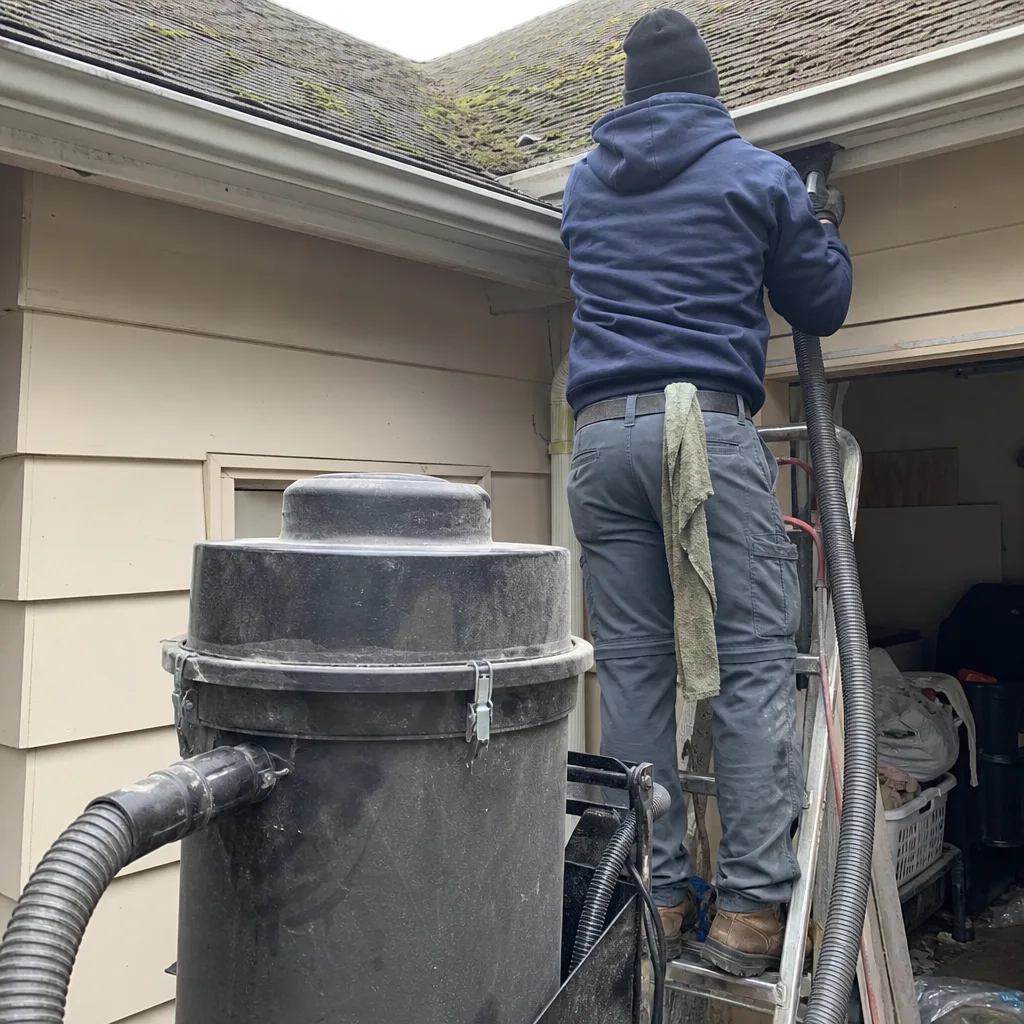 Before
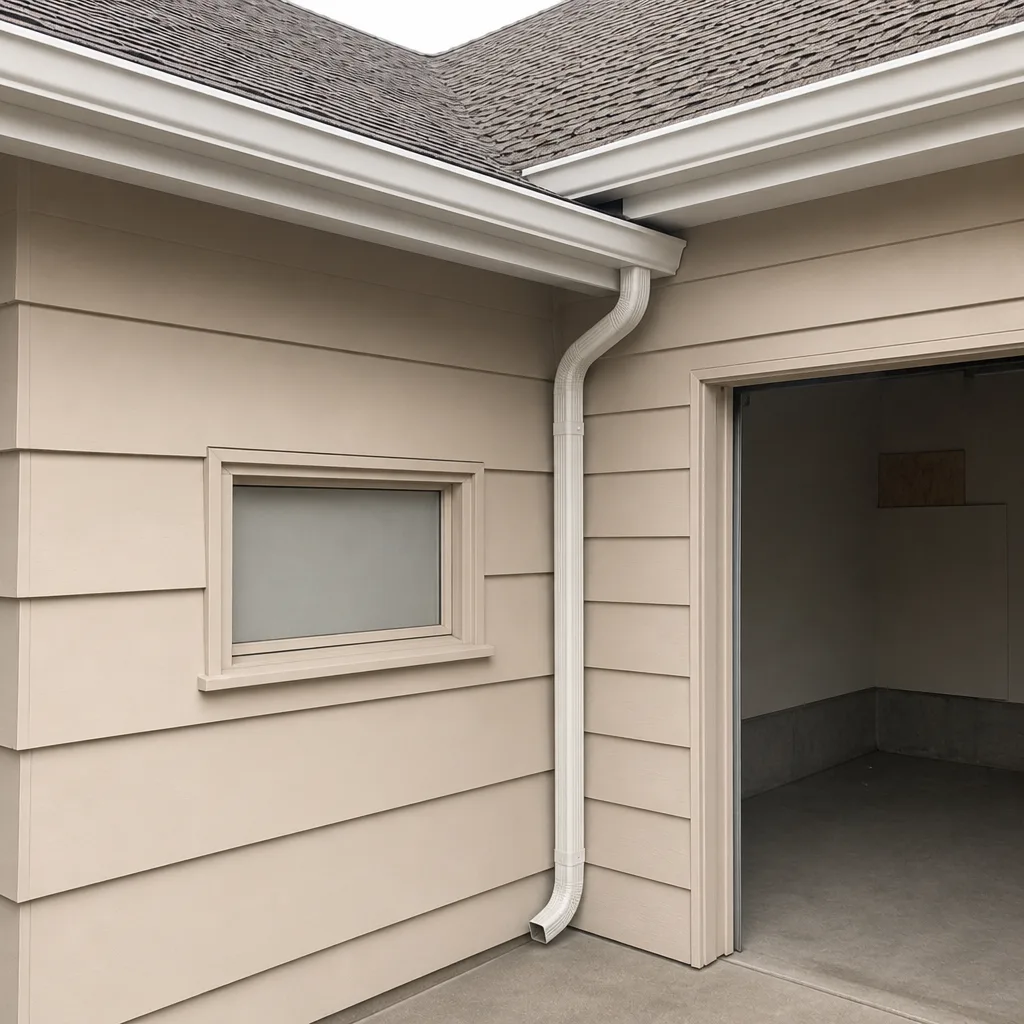 After
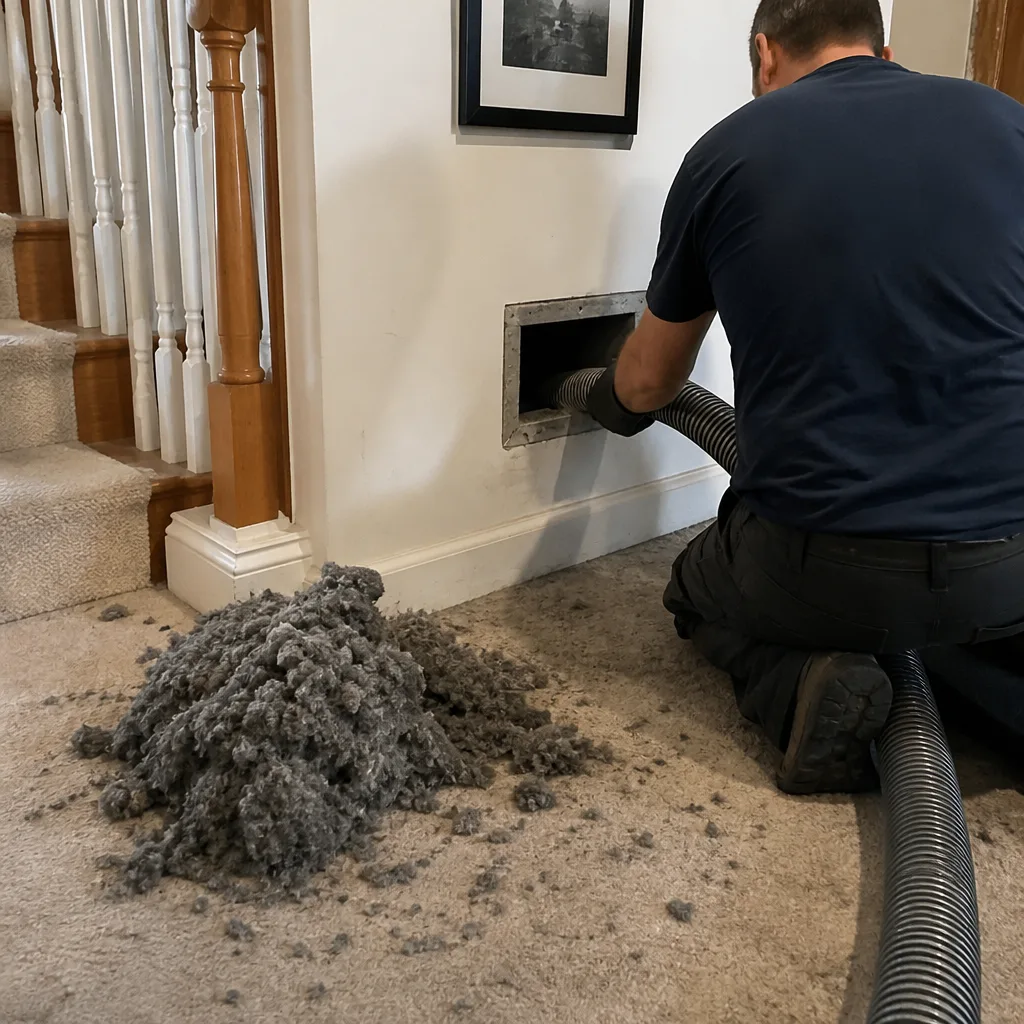 Before
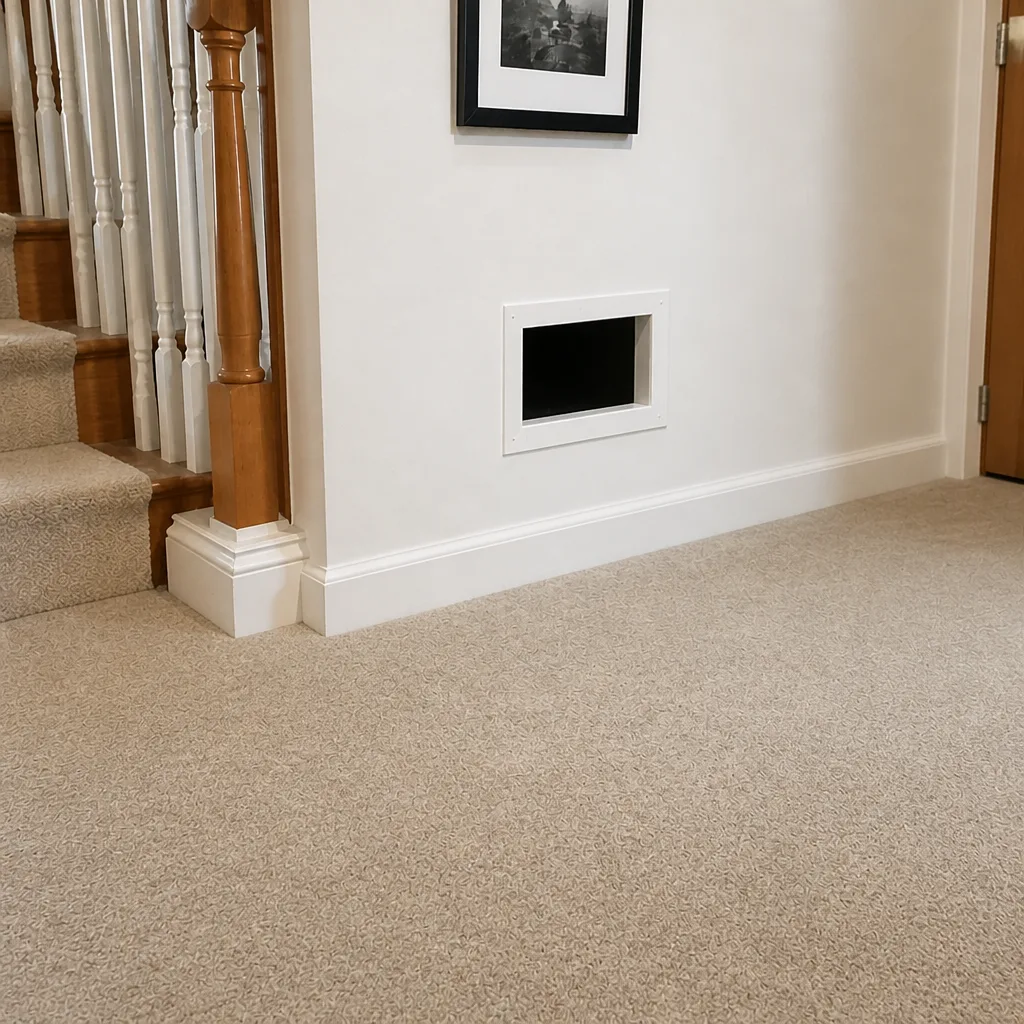 After
When to Call a Professional
Call a professional after any of the following:
- The air handler filter loads with soot or visible particulate after a smoke event, or the smoke smell goes back to the house shape when the system runs
- Any portion of the duct system was submerged or exposed to high humidity for more than a day after a flood event
- You see visible gaps at duct joints or between the duct and the register boot after an earthquake
- You smell mold at any return or supply grille, or see visible moisture on duct insulation
- Registers show debris inside, or the duct system shows reduced airflow after any event
- Your insurance claim requires contractor documentation of the loss, before or after cleanup
A trained professional has access to the contact-vacuum equipment, negative-pressure containment, and moisture readings that determine clean versus replace. Duct cleaning is a scheduled service, not an emergency dispatch; we answer 24/7 and dispatch from 7am to 7pm Sunday through Friday. The dryer vent cleaning service is worth including in the same post-event visit since a dryer vent is often the forgotten path for the same contamination.
Auburn Air Duct Cleaning Pros offers free estimates in Auburn. Call (833) 513-8095. We answer 24/7. Fast dispatch from 7am to 7pm, Sunday through Friday.
Frequently Asked Questions
Air duct cleaning in Auburn typically costs a few hundred dollars to just over a thousand, priced per system by the written estimate. The final price depends on the number of systems, the accessibility of the duct runs, and whether duct repair or sealing is needed alongside cleaning. Call (833) 513-8095 for an exact quote – estimates are free.
Low coupon quotes for duct cleaning are usually per-vent prices that become per-vent upcharges once the technician is on site, and the work rarely includes the contact vacuum and negative pressure that a real cleaning requires. The cheap quote is a teaser for a much larger invoice. We quote one flat price per system before work starts. Call (833) 513-8095 for an exact quote – estimates are free.
You know the work was done when the contractor gives you before-and-after photos of your own duct interior, not stock images, and a written report identifying which runs were cleaned and any findings. Ask up front whether the photos and the inspection report are included in the price. Call (833) 513-8095 for an exact quote – estimates are free.
After a documented smoke, flood, or seismic event, the duct system needs cleaning within weeks, not months. On a normal schedule, most Auburn homes need duct cleaning every three to five years, but a home near active wildfire smoke areas or in a crawlspace-prone flood zone may need it more often. Call (833) 513-8095 for an exact quote – estimates are free.
Yes, when the smell is coming from duct surfaces and the air handler, mechanical brushing and contact vacuuming removes the residue that holds the odor compounds. Filter replacement alone doesn’t remove trapped smoke odor. The odor usually lifts within a day or two of the cleaning if the contamination wasn’t in the insulation facing. Call (833) 513-8095 for an exact quote – estimates are free.
Insurance sometimes covers duct remediation after a covered event, and the coverage depends on your policy’s water damage or smoke damage provisions. Documentation is the deciding factor: photos of the duct interior before cleanup, air quality readings, and a written contractor report. Start by calling your carrier and requesting a claim; ask for the claim reference number before the contractor visit. Call (833) 513-8095 for an exact quote – estimates are free.
The Bottom Line
Three emergency scenarios, three different duct system responses. Smoke contamination needs mechanical brushing and contact vacuuming; flood contamination usually needs the affected runs replaced rather than cleaned; earthquake damage needs inspection and repair before cleaning. Pre-event preparation works, but the specific measures matter more than the general ones: MERV-13 filtration during smoke events, a dry crawlspace before flood season, and a working knowledge of the King County air quality alert system. Documentation before cleanup is what makes an insurance claim fund the work rather than debate it. If an event is on the horizon or just behind you, call Auburn Air Duct Cleaning Pros at (833) 513-8095 for a free estimate on a full air-pathway assessment.
Written by the team at Auburn Air Duct Cleaning Pros.