
Last updated November 25, 2026
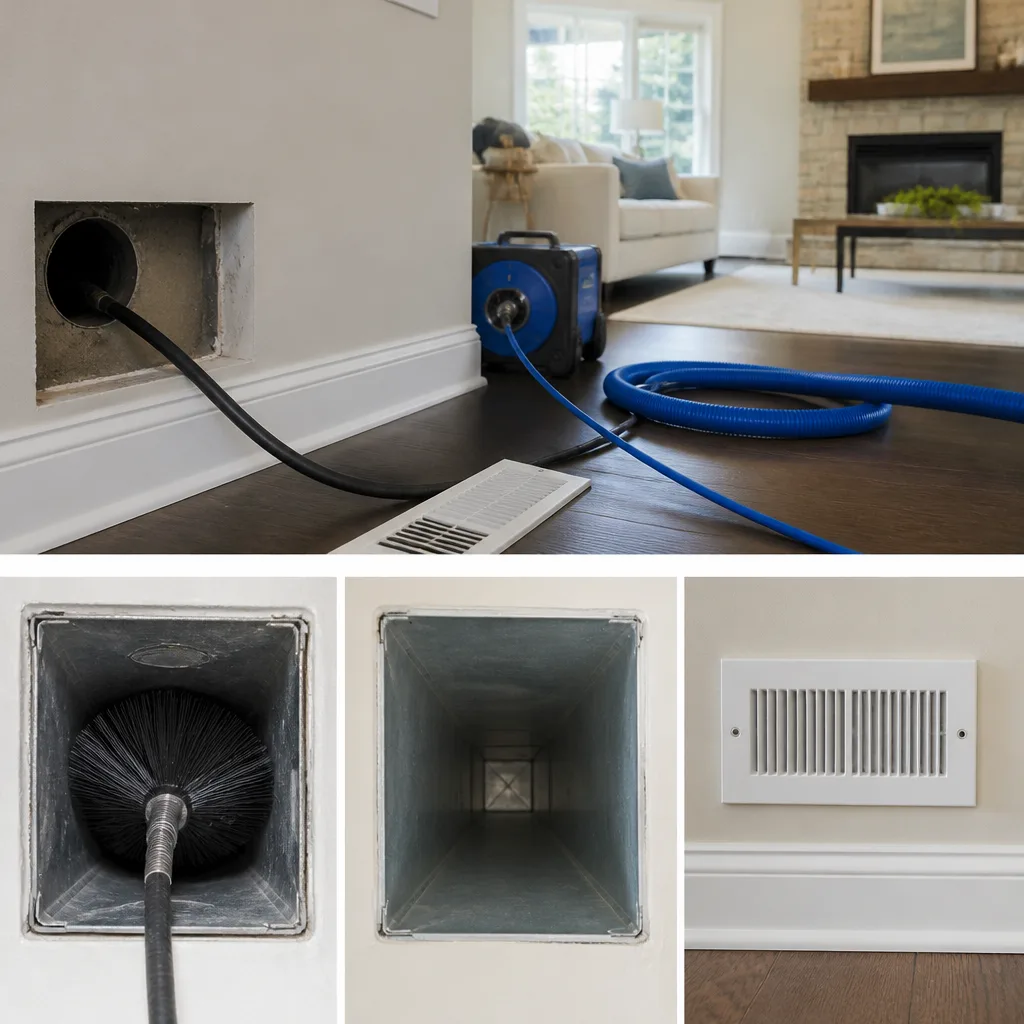 Whole-home duct cleaning
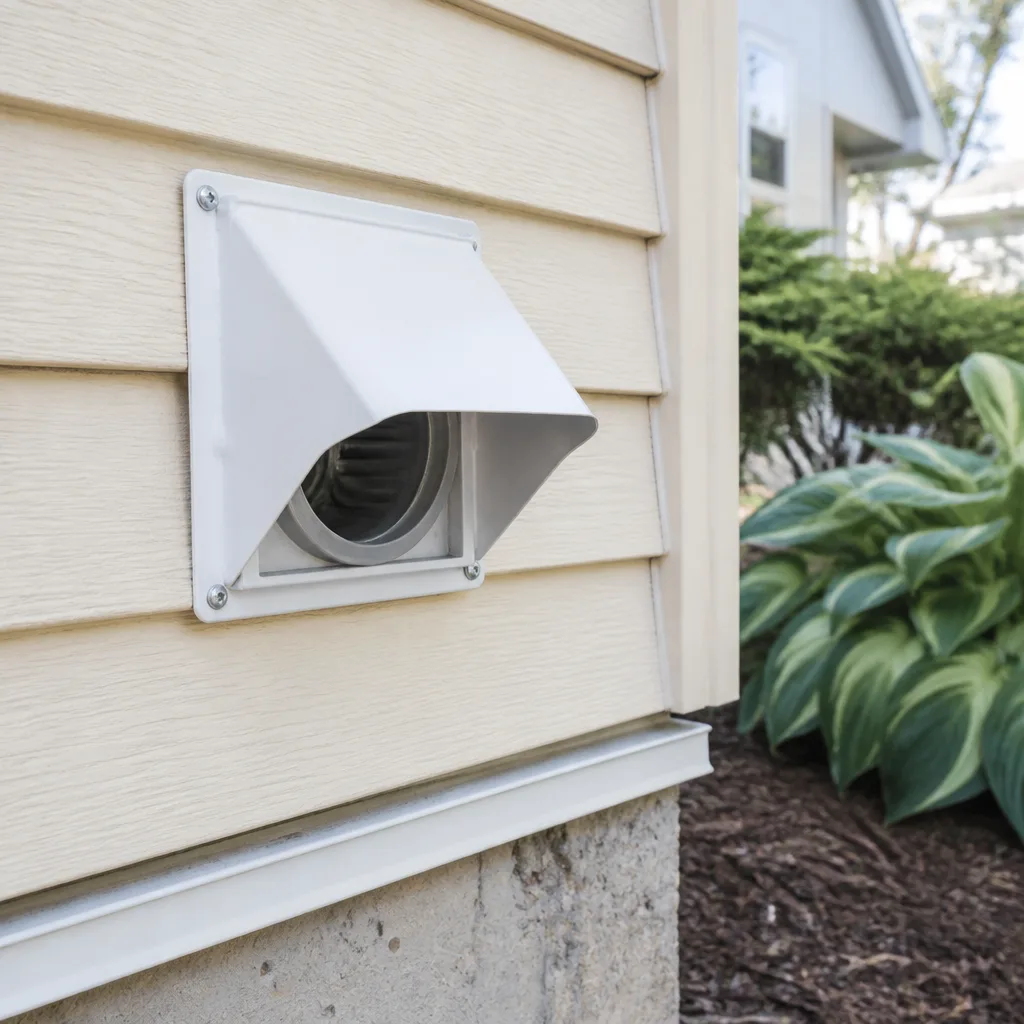 Dryer vent cleaning
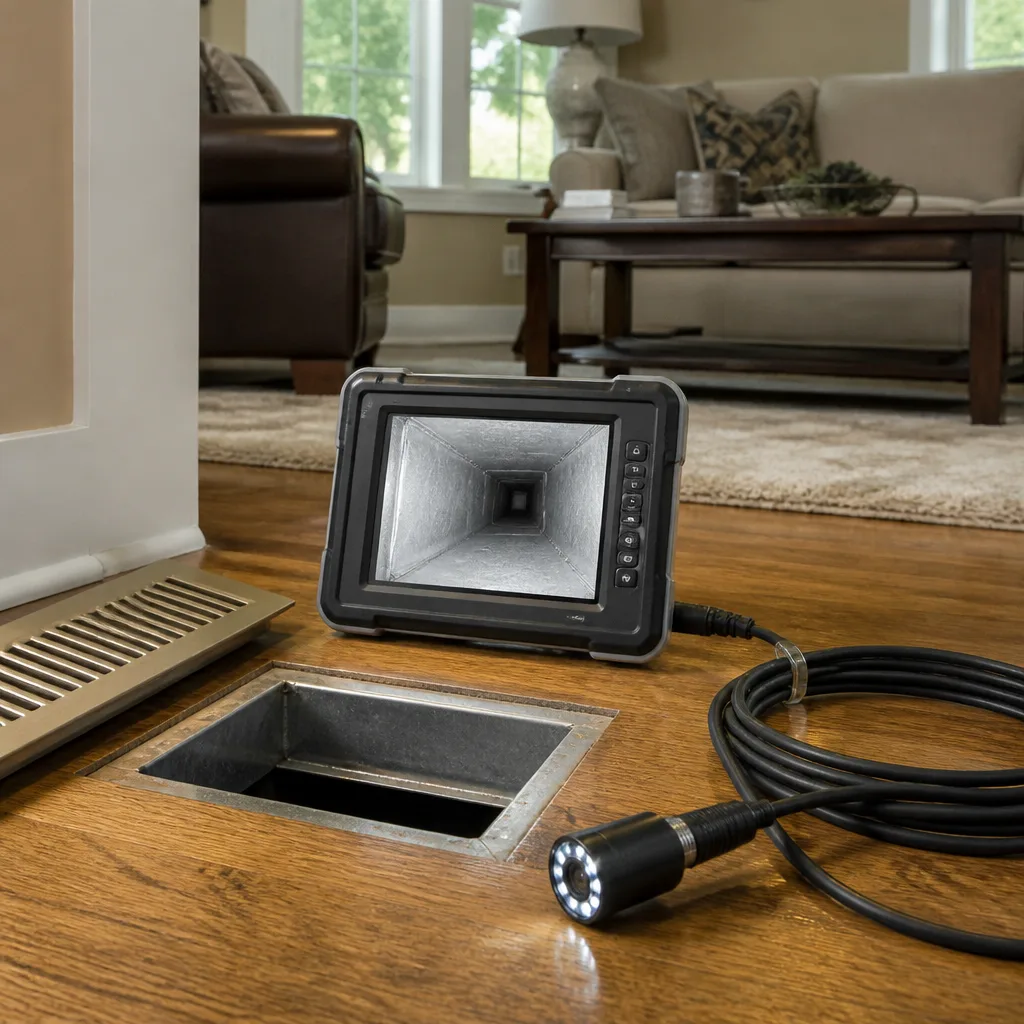 Camera inspection
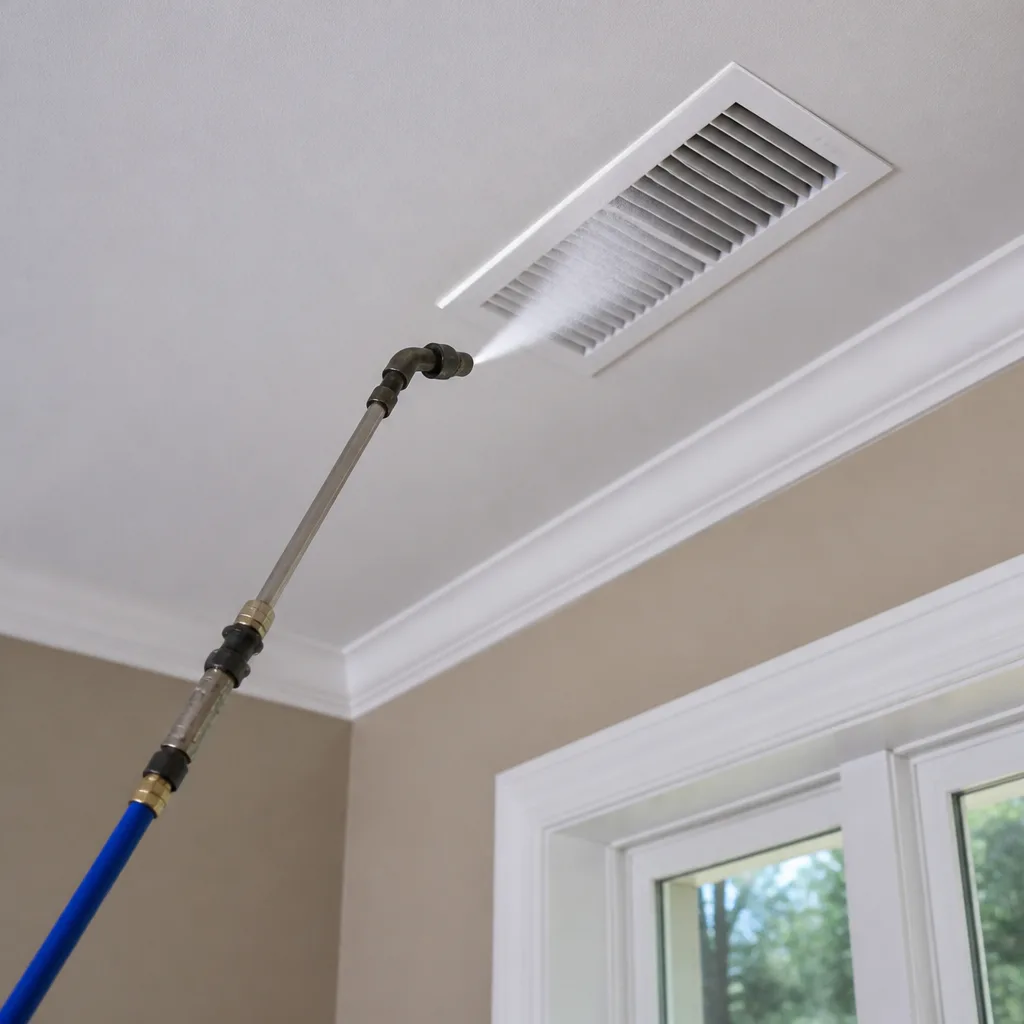 Sanitizing & deodorizing
Whole-system duct and dryer vent check with before-and-after photos - you see exactly what came out of your vents
That "$99 whole-house special" is a bait ad - the real number appears once they are in your hallway, or the "clean" is a shop-vac at the register. We photograph the inside of your ducts before and after instead.
Air Duct Cleaning Maintenance Checklist for Auburn Homeowners
Most homeowners replace the air filter on schedule and assume the ducts are fine. A fresh filter is a good habit, but it can’t tell you that the flex duct in your crawlspace has a sagged low point collecting moisture and debris, or that a supply boot behind a baseboard is quietly rusting through. Duct problems don’t announce themselves. They build. A maintenance checklist isn’t a cleaning schedule, it’s a diagnostic rhythm: a set of observations you make between professional visits so you catch small changes before they turn into full remediation. This guide walks Auburn homeowners through what to check monthly, quarterly, and annually, which tasks you can do yourself, and which require a technician with a borescope camera.
Quick Answer
A workable air duct maintenance checklist for an Auburn home has three layers: monthly checks you can do yourself (filter condition, grille buildup, airflow feel), quarterly seasonal checks tied to Auburn’s wet season and summer smoke events, and an annual professional inspection of the full air pathway. The goal isn’t to clean your own ducts, it’s to notice change early. When something looks different from three months ago, that’s your signal to book a technician.
Styles & brands we work with
- Whole-home duct cleaning
- Dryer vent cleaning
- Camera inspection
- Sanitizing & deodorizing
Table of Contents
- Why a checklist beats a cleaning schedule
- Monthly tasks: what you can observe yourself
- Quarterly tasks: working with Auburn’s seasons
- The annual professional inspection
- Reading your air filter as a diagnostic tool
- What to document between visits
- Checklist items after a wildfire smoke event
- Common mistakes to avoid
Why a Checklist Beats a Cleaning Schedule
A cleaning schedule tells you when to book a service. A checklist tells you why. That difference matters more in Auburn than most homeowners realize, because the problems that develop in duct systems here follow a predictable seasonal cycle. The wet season from October through March loads crawlspace air with moisture. Summer smoke from Eastern Washington and Oregon pushes fine particulate through every return grille in the house. Between the two, ducts that were clean in September can be carrying both moisture damage and smoke residue by the following August.
A checklist catches those changes while they’re still cheap to address. What it can’t do is see inside the ducts, and that’s the honest limit of homeowner observation. You can see a dust ring on a grille. You can’t see a separated joint twelve feet down a trunk line. That’s what borescope cameras are for, and it’s why the annual professional visit sits at the top of the checklist rather than the bottom.
What a checklist does give you is a baseline. Every observation this guide asks you to make is useful only if you can compare it to how things looked six months ago. Photographs and dates turn vague impressions into evidence.
The second thing a checklist does is keep you from over-buying service. Homeowners who track their own observations tend to know when they actually need a cleaning, and when a company is quoting work they don’t need yet. That’s worth more than any coupon.
Monthly Tasks: What You Can Observe Yourself
The monthly layer of the checklist takes about fifteen minutes if you keep it simple. These are observation tasks, not cleaning tasks. You’re not trying to fix anything, you’re recording what you see so you’ll notice when it changes.
Start with the obvious: the return grille. Is there dust visible on the slats? Does the buildup look even, or concentrated on one side? Uneven loading on a return grille is one of the earliest signs that airflow is being pulled from somewhere it shouldn’t be. Then walk to each supply register in the house and hold your hand over it. You’re feeling for two things: whether the airflow feels roughly the same as the others, and whether the air feels noticeably cooler or warmer than the register next to it.
- Check the filter. Look at the face of the filter, not the frame. If you can see it loading heavily on one side, note which side.
- Walk every supply register. Feel airflow with your hand. A register with weaker airflow than its neighbors is a diagnostic clue, not a quirk.
- Inspect the return grille for dust buildup. Look at the slats and the frame seam. Photograph it.
- Smell the air at the return. Musty, sweet, or chemical odors that appear and fade with weather should be noted with the date.
- Check the condensate line or drain pan area for standing water if you can see it. Moisture signals matter more than dust signals.
If your home in the Lea Hill or West Hill area has slab-on-grade ductwork, the monthly sweep should also include a visual check of supply boots at the floor. Any white or orange specks at the base of a boot are worth photographing and noting. In Auburn’s older slab homes, that’s the earliest visible sign of a moisture problem you’ll ever get – and you get it months before rust becomes structural. If a boot or joint looks compromised, a professional air duct cleaning and inspection can tell you whether the problem is surface-level or a full leak.
Quarterly Tasks: Working with Auburn’s Seasons
The quarterly layer is where Auburn’s climate gets specific. Two events define the year here: the wet season, which runs October through March, and summer wildfire smoke brought in on wind from Eastern Washington and Oregon. Each one leaves a different signature in the duct system, and each one deserves its own check.
After the wet season (late March through April)
Once the rain tapers off and crawlspace air can actually dry out, get under the house and look at the duct runs. Specifically, look at the vapor barrier. The vapor barrier should be intact and overlapping, and it should not be torn or pulled away from the soil. If it is, moisture rises into crawlspace air, and that air is often used as the return source. Look for condensate on the outside of duct runs near their lowest sag points.
- Check vapor barrier integrity along the full length of visible duct runs.
- Look for sagging flex duct where it hangs between supports. Sags collect moisture and debris.
- Inspect supply boots at the slab for rust or discoloration. Photograph any spot with a tape measure in frame.
- Check the crawlspace for standing water, especially in low corners.
Before the heating season (September through October)
Before you switch the system from cooling to heating, have it HVAC cleaning inspected and cleaned. Dust that has collected on the air handler through the summer gets warm and circulates the first time you run the furnace. If you’re not sure when the last cleaning was, this is the check that matters most.
After summer
The summer smoke check is covered in its own section below, but at minimum, look at every return grille at the end of the season. Smoke leaves a fine grey film that looks different from ordinary household dust.
The Annual Professional Inspection
Once a year, someone needs to get inside the duct system with a camera and see what you can’t. This is the layer that turns the checklist from a homeowner ritual into actual diagnostic work. In our experience, most homeowners who’ve been diligent about the monthly and quarterly checks have already noticed what a technician is going to find – they just haven’t confirmed it.
A thorough annual inspection looks at the full air pathway, not just the visible grilles. That means:
- The return trunk and all branches, using a borescope camera to look for debris accumulation, separated joints, and moisture staining.
- The supply runs, checking for compression, sagging, kinks, and loose connections where runs meet boots.
- The air handler and blower, checking for dust loading on the evaporator coil and blower wheel.
- The duct seals, checking joints and seams for leaks that pull unconditioned air into the supply.
- The dryer vent, checking for lint accumulation and vent routing. Every home should book dryer vent cleaning on its own schedule, because a clogged dryer vent is a fire risk, not just an efficiency problem.
The annual inspection is also when equipment choices matter. A proper inspection uses contact-vacuum equipment like Rotobrush or Nikro systems, and if cleaning is recommended, the work should include negative-pressure containment (Abatement Technologies equipment) so loosened debris doesn’t get pushed into the living space. If a company shows up with nothing but a shop vacuum and a hose, that’s not an inspection.
Reading Your Air Filter as a Diagnostic Tool
Most homeowners use their filter as a maintenance reminder: when it looks bad, replace it. That’s the least amount of information a filter can give you. The way a filter loads tells you something about the system feeding it. Read the loading pattern before you throw it away.
Here’s what specific patterns usually mean:
- Even grey loading across the whole face with no distinct dark areas is the healthiest pattern. It means airflow through the return is even and the filter has been catching what it should.
- Loading concentrated in one corner or one side often signals that return air is entering the filter housing unevenly. That can be a filter that’s slightly undersized for the cabinet, or a return duct that’s dumping air rather than distributing it.
- Dark staining that wraps around the frame edges (the bypass path) means air is going around the filter, not through it. Bypass air carries unfiltered dust straight into the air handler. Persistent bypass usually points to a poorly seated filter or an oversized cabinet.
- A filter that loads unusually fast (weeks, not months) usually means a nearby duct leak is pulling dust-laden air from a crawlspace or attic into the return.
- A filter that looks nearly new after months can mean very little air is moving through it at all. If you notice this pattern and the house feels stuffy, have airflow verified before assuming everything is fine.
Note the date you install each filter and the date you replace it, even if you’re not replacing on a fixed schedule. Two dates on the frame in pencil creates a record that answers questions later. And check the filter housing itself monthly: a filter seated at an angle is a filter that’s bypassing.
What to Document Between Visits
The single most useful thing an Auburn homeowner can do between professional visits is keep a simple log. Not a spreadsheet, not a binder. A photo album on your phone plus a note of dates is enough. When a technician arrives, that log turns the conversation from “does anything seem wrong?” into “here’s what changed and when.”
Document these things:
- Filter installation and replacement dates. Write them on the filter frame and in your phone.
- Photo of every return and supply grille, taken on the same day every quarter. Same angle, same lighting.
- Photo of any rust, staining, or discoloration on supply boots, with a tape measure for scale.
- Notes on airflow changes. “The register in the back bedroom feels weaker than last spring” is the kind of note that saves time.
- Odor events, dated and tied to what you remember about the weather. “Musty smell started after the big rain in November.”
- Photos of the filter face before replacement, showing the loading pattern.
- Dates and descriptions of any smoke events during the summer, and what you noticed afterward.
Homeowners who keep this log tend to be the ones who catch leaks and moisture problems early, because the change is obvious when it’s side by side with last quarter’s photo. If the documentation shows a pattern, a technician with a camera can confirm it in minutes rather than an hour of guesswork.
Checklist Items After a Wildfire Smoke Event
Auburn’s summer air quality regularly spikes when smoke from Eastern Washington and Oregon moves into the region. Those events are common enough that they need their own checklist items, separate from the annual routine.
During a smoke event
- Keep windows closed and run the system fan to keep air moving through the filter.
- Check the filter more often. A filter can load heavily within a few days of sustained smoke.
- If anyone in the home is sensitive to smoke, or the home has central air, note the dates of the event. That information matters later.
After a smoke event
- Inspect every return grille. Look for a fine grey film. Ordinary household dust looks different – more brown and coarser. Smoke residue is finer and greyer.
- Replace the filter if it’s visually loaded, regardless of how recently it went in.
- Note the airflow feel at supply registers. If airflow seems weaker after a smoke event, the filter may be loaded enough to reduce it.
- Smell the air at the return. Smoke odor lingering days after the event has cleared usually means it’s settled somewhere in the system.
- Photograph everything and add it to your log so a technician can compare against a normal month.
If the smoke residue is visible on multiple grilles and the odor doesn’t fade, that’s the point to have the system inspected. A professional air duct cleaning after a heavy smoke season, followed by sanitizing with products from brands like Guardsman, addresses the residue rather than masking it. If filtration is undersized, upgrading to a whole-home filter from Aprilaire is something that can be installed at the same time. For homeowners in Auburn dealing with repeated smoke seasons, that conversation is worth having once rather than re-having every August.
Which Checklist Items Need a Technician
Some of the checklist is yours. Some of it needs a camera. Knowing which is which keeps you from either over-calling or over-confident.
You can do these yourself
- Filter check, photo, and replacement.
- Visual inspection of grilles for dust and film.
- Feeling airflow at each supply register.
- Noting odors and airflow changes, with dates.
- Visual inspection of crawlspace vapor barrier and duct runs where visible.
These need a technician
- Borescope inspection inside trunk lines, branch runs, and behind boots.
- Verifying duct seal integrity at joints and seams.
- Inspecting the evaporator coil and blower wheel inside the air handler.
- Inspecting dryer vent routing and lint buildup inside the vent.
- Identifying where moisture damage originates and how far it extends.
If the monthly checklist turns up an observation that a technician should confirm – rust at a boot, airflow that’s dropped, a smell that won’t go away – call (833) 513-8095. We answer 24/7. Fast dispatch from 7am to 7pm, Sunday through Friday. The estimate is free, and the price for any cleaning or repair is set per job by the written estimate.
Common Mistakes to Avoid
- Treating the filter replacement as the whole checklist. The filter catches some dust, but it can’t see a sagging duct run or a vapor barrier pulled away from the soil. Those need their own checks. In Auburn’s wet-season climate, the monthly crawlspace look does more diagnostic work than the filter replacement does.
- Cleaning ducts on a calendar instead of on evidence. Duct cleaning has value when there’s debris loading, moisture damage, or post-smoke residue to address. Booking it every six months because a coupon arrived isn’t a maintenance program – it’s a subscription. A checklist replaces the calendar with evidence.
- Skipping the dryer vent because the ducts got cleaned. The dryer vent is not part of the HVAC duct system. Lint buildup in the vent is a documented fire risk, and it has nothing to do with whether the supply ducts are clean.
- Assuming every company’s equipment is comparable. The work of getting debris out of a duct run and the work of doing it without pushing it back into the living room are different skills. Negative-pressure containment (Abatement Technologies equipment) is standard on commercial jobs and often skipped on residential ones.
- Bypassing the filter housing by accident. A filter that’s slightly undersized, or that’s not seated flush, lets air travel around it instead of through it. In Auburn homes where the filter cabinet sits sideways in a tight mechanical closet, mis-seating happens more often than you’d think. Check the seat, not just the filter.
- Ignoring the first sign of rust at a slab supply boot. A small rust line at a boot in a slab home usually means moisture has been entering long enough to corrode the sheet metal. Waiting to address it means the fix gets bigger.
- Skipping the post-smoke inspection. Auburn’s summer smoke transport is common enough that it should be planned for. Waiting until the smell becomes a permanent feature means the residue has already settled into the ducts and the filter has already loaded.
See the difference
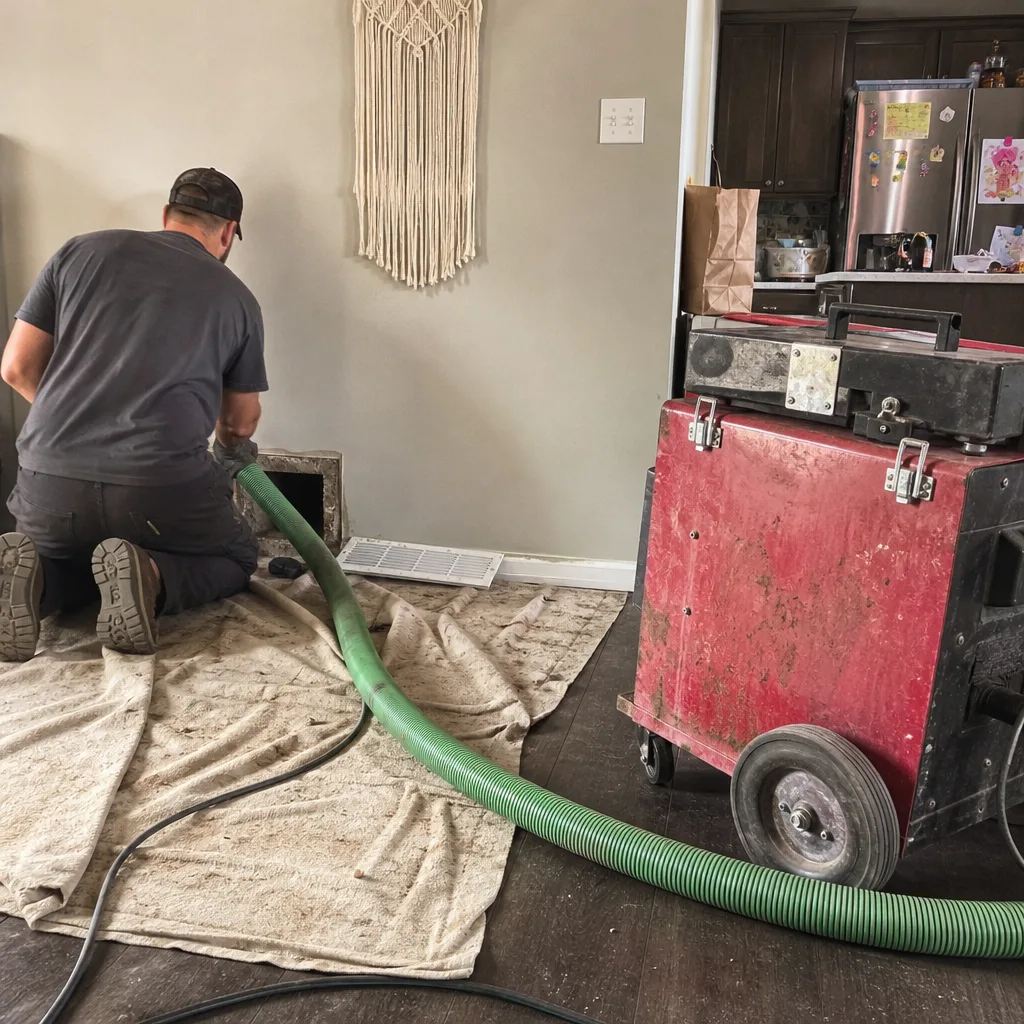 Before
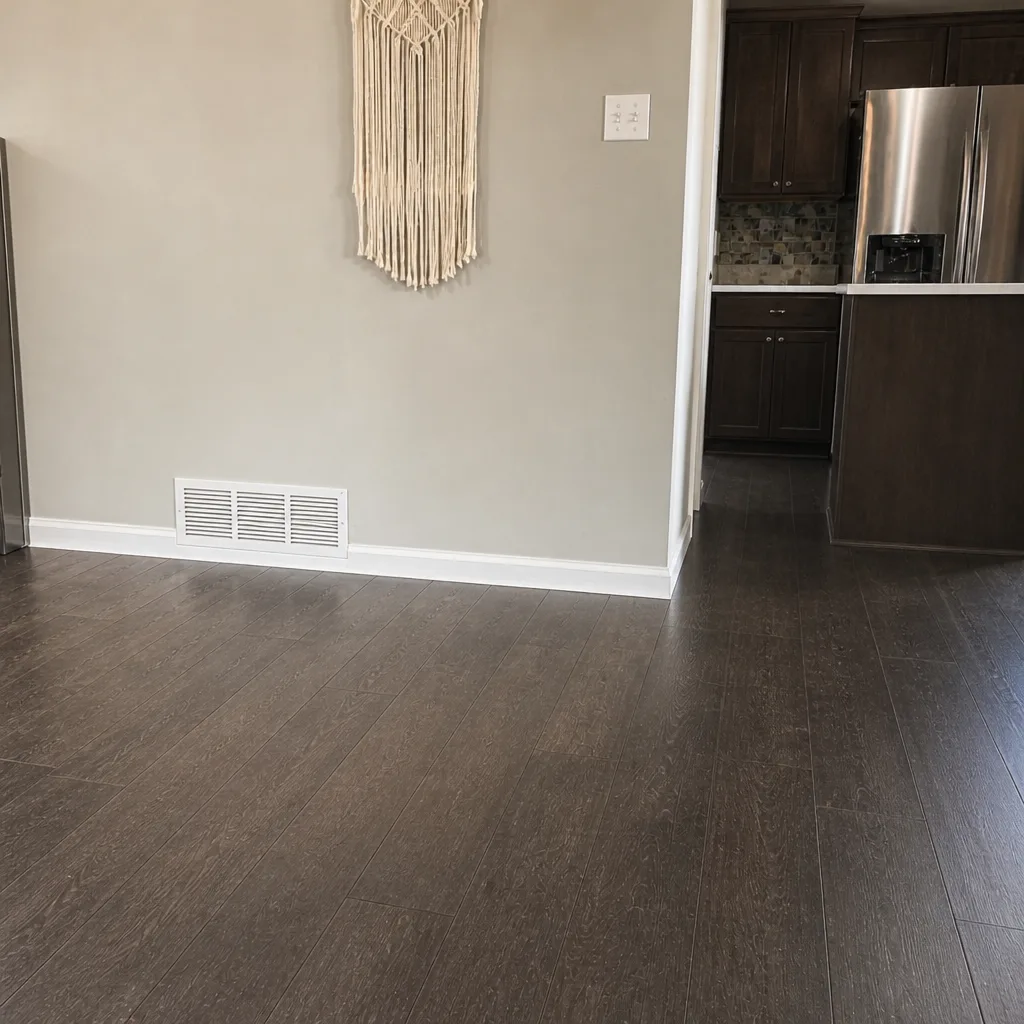 After
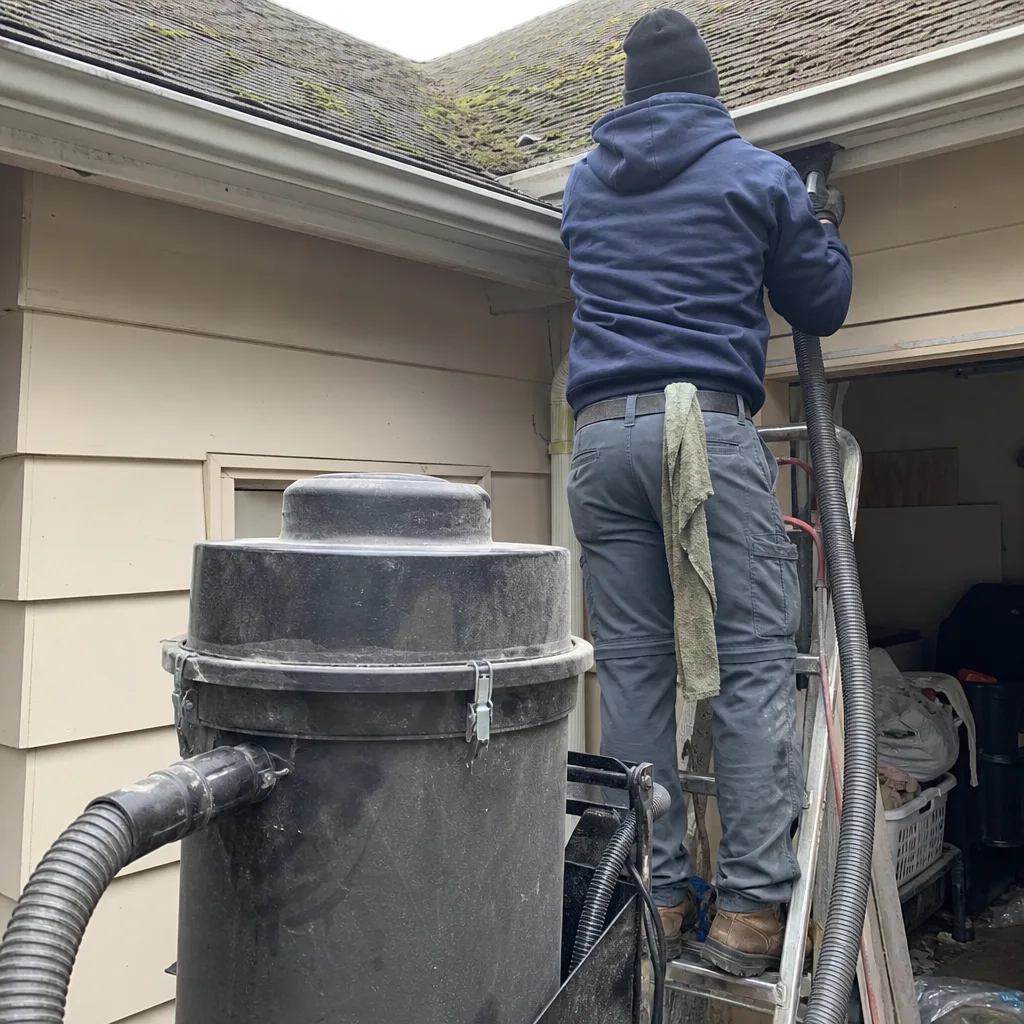 Before
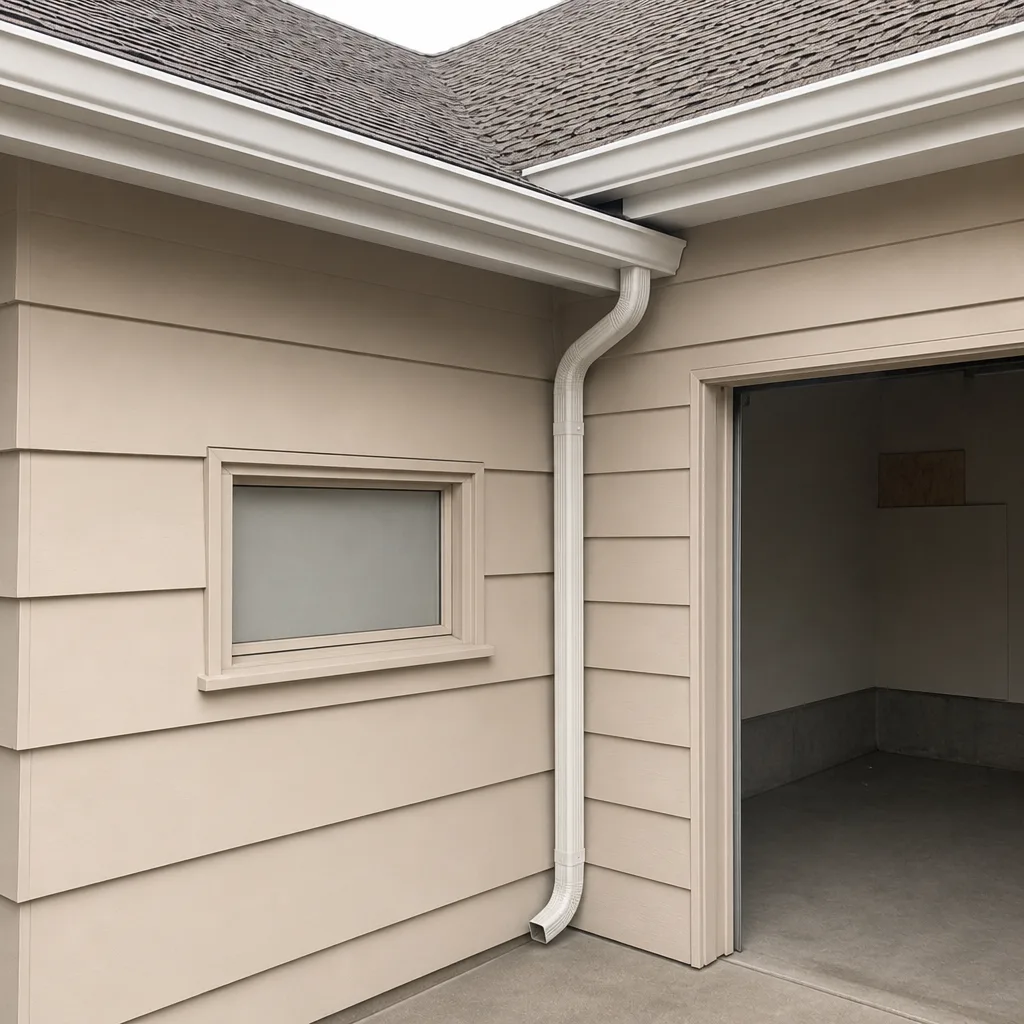 After
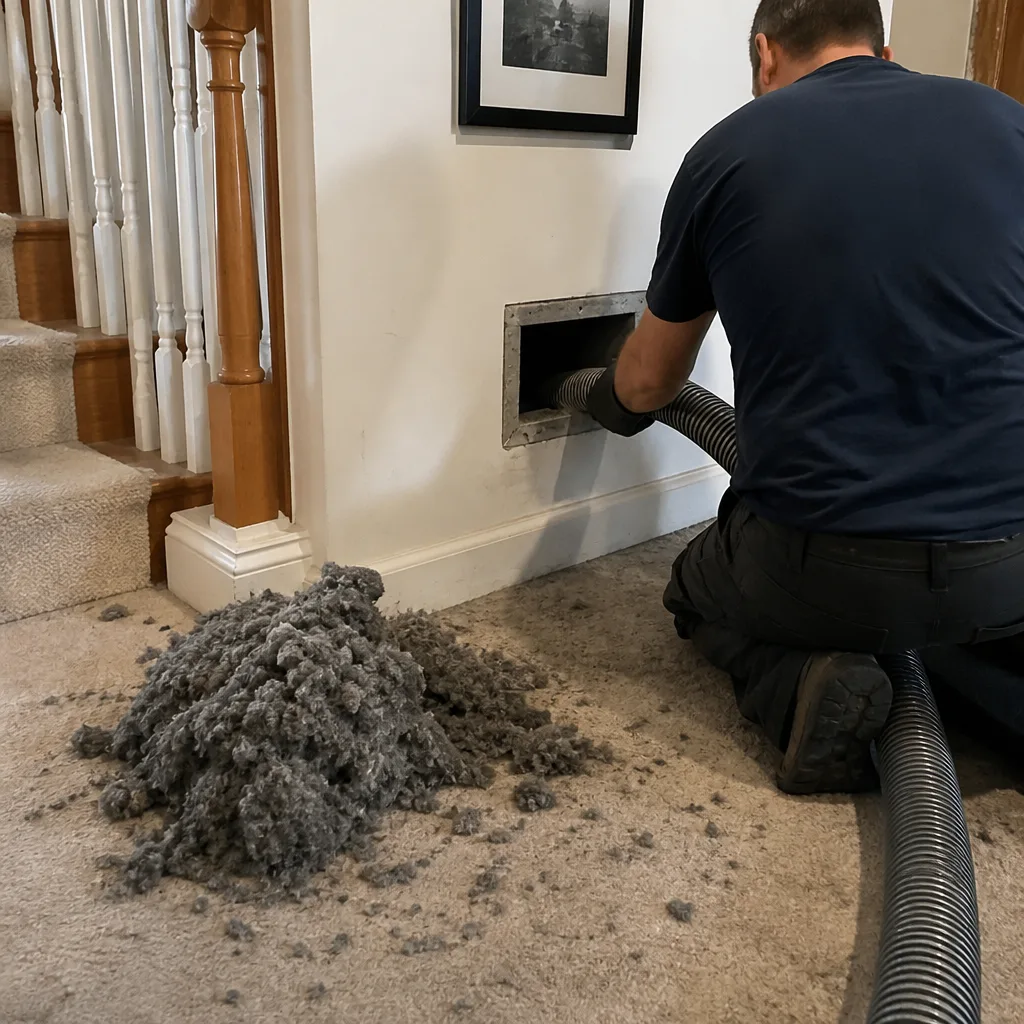 Before
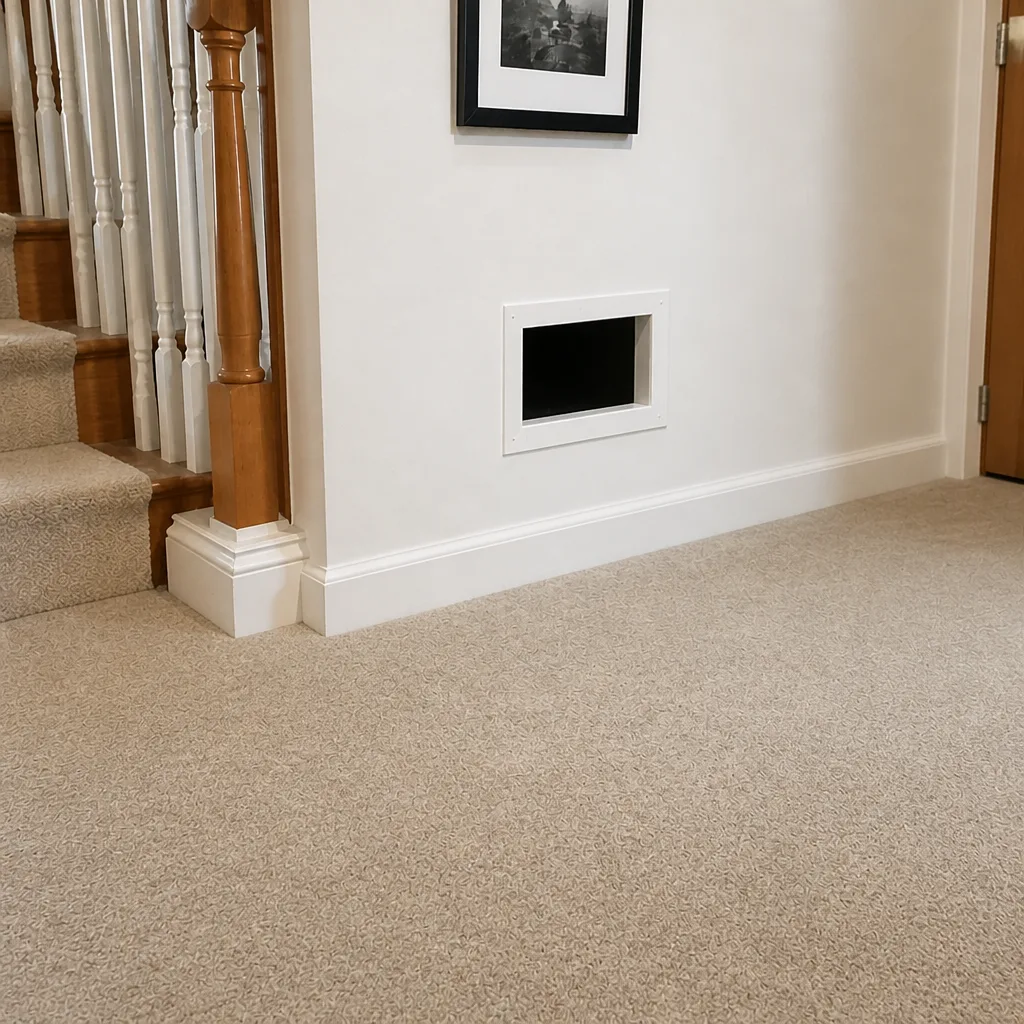 After
When to Call a Professional
The checklist is designed to tell you when the answer is “book an inspection.” Here are the situations that most clearly say so: rust or staining at a supply boot, particularly in a slab home; a crawlspace vapor barrier that’s torn or displaced near a duct run; airflow at a register that’s noticeably weaker than it was last season; smoke odors lingering days after an outdoor event; a dryer that takes longer than it used to reach full heat (or a lint screen that’s still collecting heavily, indicating the vent itself is restricted); and any musty smell near the return that doesn’t fade.
For each of those, a technician with a borescope camera and contact-vacuum equipment (Rotobrush, Nikro) can confirm the cause in a single visit. Auburn Air Duct Cleaning Pros offers free estimates in Auburn – call (833) 513-8095. We answer 24/7. Fast dispatch from 7am to 7pm, Sunday through Friday. The estimate is written and the price is per job, not per vent. And because our technicians can perform cleaning, sealing, and sanitizing in the same visit, a problem caught early can often be resolved before it turns into full remediation.
Frequently Asked Questions
There’s no universal calendar answer. The right interval depends on three local factors: how much dust and moisture your crawlspace contributes, how many summer smoke events the house has seen since the last cleaning, and whether anyone in the home has asthma or allergies. A reasonable starting point is an annual inspection, with cleaning booked when the inspection finds visible loading, moisture damage, or smoke residue. Homes in Auburn’s older slab neighborhoods and homes with crawlspace ductwork tend to need cleaning sooner than homes with fully conditioned mechanical spaces.
A flashlight can show you what’s on the grille and the visible part of a run. It can’t see past the first elbow or around the branch, which is where most debris and moisture problems live. A borescope camera in trained hands reaches the parts a flashlight doesn’t, and that’s the difference between an inspection and a look. The free estimate from Auburn Air Duct Cleaning Pros includes that kind of visual inspection. Call (833) 513-8095 to book one.
A loaded filter is the most common cause. Smoke pushes fine particulate into the return at a high rate, and the filter can reach capacity within days of a heavy event. If replacing the filter restores airflow, the filter was doing its job. If airflow stays low with a fresh filter, the cause is further in – a duct leak, a collapsed run, or buildup inside the duct. In that case, have the system checked before assuming the furnace is the problem.
Yes, more than most homeowners realize. A displaced or torn vapor barrier in a crawlspace lets soil moisture rise into the crawlspace air. If the return duct routes through or near that crawlspace, it can draw that moisture into the system. Over a wet season in Auburn, that can translate to condensation on duct runs, corrosion at boots, and mold growth inside flex duct. Checking the vapor barrier after each wet season is one of the checklist items that pays off the most.
A smell lingering well after the outdoor air has cleared usually means smoke residue has settled into the duct surfaces, and it won’t clear on its own. Cleaning the system and then sanitizing with products like Guardsman is the standard sequence. If the house relies on a thin filter, upgrading to a higher-efficiency filter from Aprilaire during the same visit addresses the next event. Book a cleaning and sanitizing visit and have the filter changed at the same time. Call (833) 513-8095 to schedule it.
Yes, and it’s worth being present. The observations in your log are most useful when a technician can compare them against what they see on-site, and the walkthrough gives you the chance to point out the specific grille or register that triggered the call. It’s also the moment the written estimate can be reviewed on the spot. For a free inspection, call (833) 513-8095. We answer 24/7. Fast dispatch from 7am to 7pm, Sunday through Friday.
Documentation Template: A Simple One-Page Log
If you don’t want to build a spreadsheet, here’s the minimum log that makes the checklist effective. Keep it on a single page, in the same spot every time.
- Date of last filter change and what pattern the old filter showed (even, one-sided, frame bypass, near-new).
- Date of last quarterly grille check, with a photo of the worst grille in the house.
- Date of last crawlspace vapor barrier check (spring, after wet season).
- Notes on any airflow or odor observations, dated and tied to weather where you can remember.
- Summer smoke event dates and what the return grilles look like a week after.
- Date of last professional inspection and what was recommended.
Five fields, one page. Six months from now, that page is worth more than any memory of how the house “usually” feels.
The Bottom Line
The best duct maintenance checklist for an Auburn home is a rhythm, not a schedule. You check the filter and grilles monthly, you check the crawlspace and vapor barrier after the wet season, you check every return after a summer smoke event, and you have a technician with a camera inspect the full air pathway once a year. You document what you see so change is obvious. That rhythm catches moisture damage, smoke residue, and airflow problems at the point where they’re cheap to fix. Auburn Air Duct Cleaning Pros covers the full air pathway – ducts, dryer vents, HVAC units, repair and sealing, and sanitizing – because that’s what the checklist eventually asks for. Call (833) 513-8095 to schedule a free estimate. We answer 24/7. Fast dispatch from 7am to 7pm, Sunday through Friday.
Learn more about Auburn Air Duct Cleaning Pros and the full-scope services behind the checklist.
Written by the team at Auburn Air Duct Cleaning Pros.