
Last updated November 25, 2026
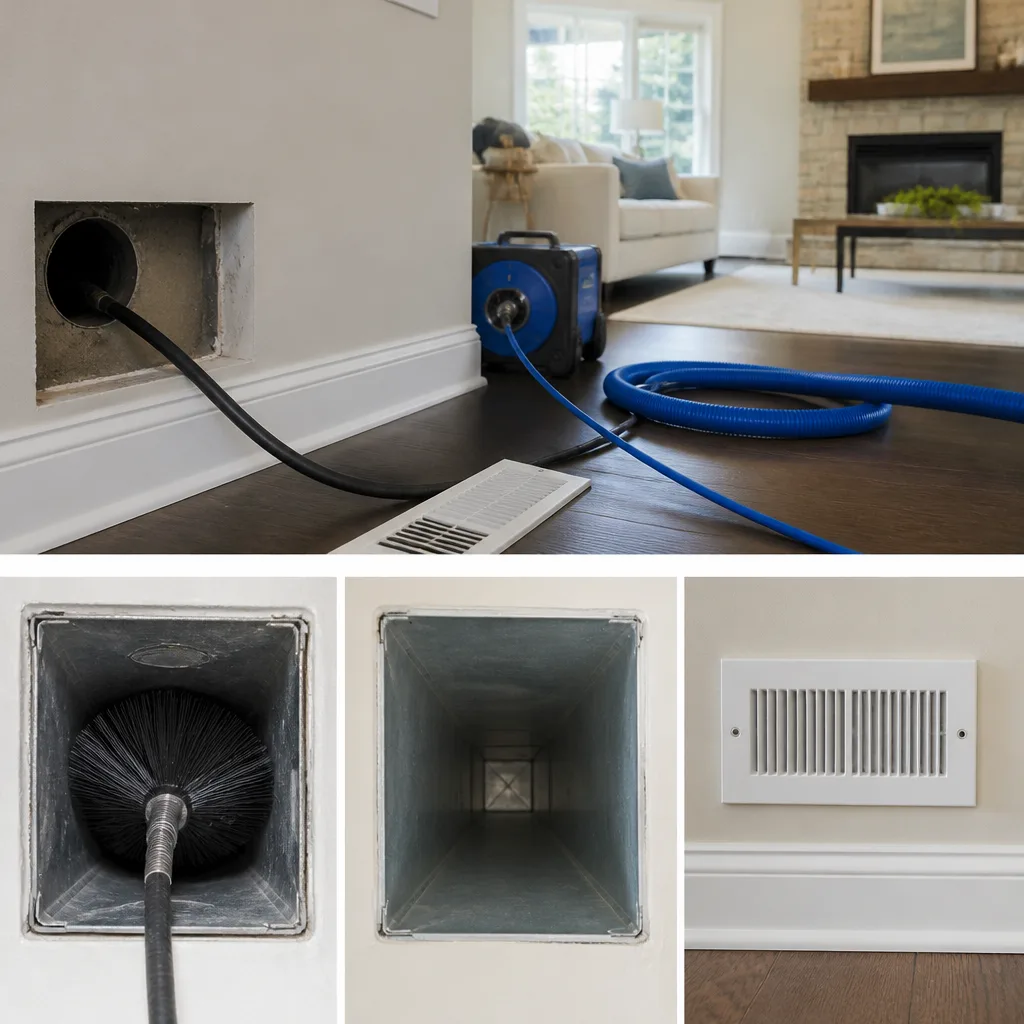 Whole-home duct cleaning
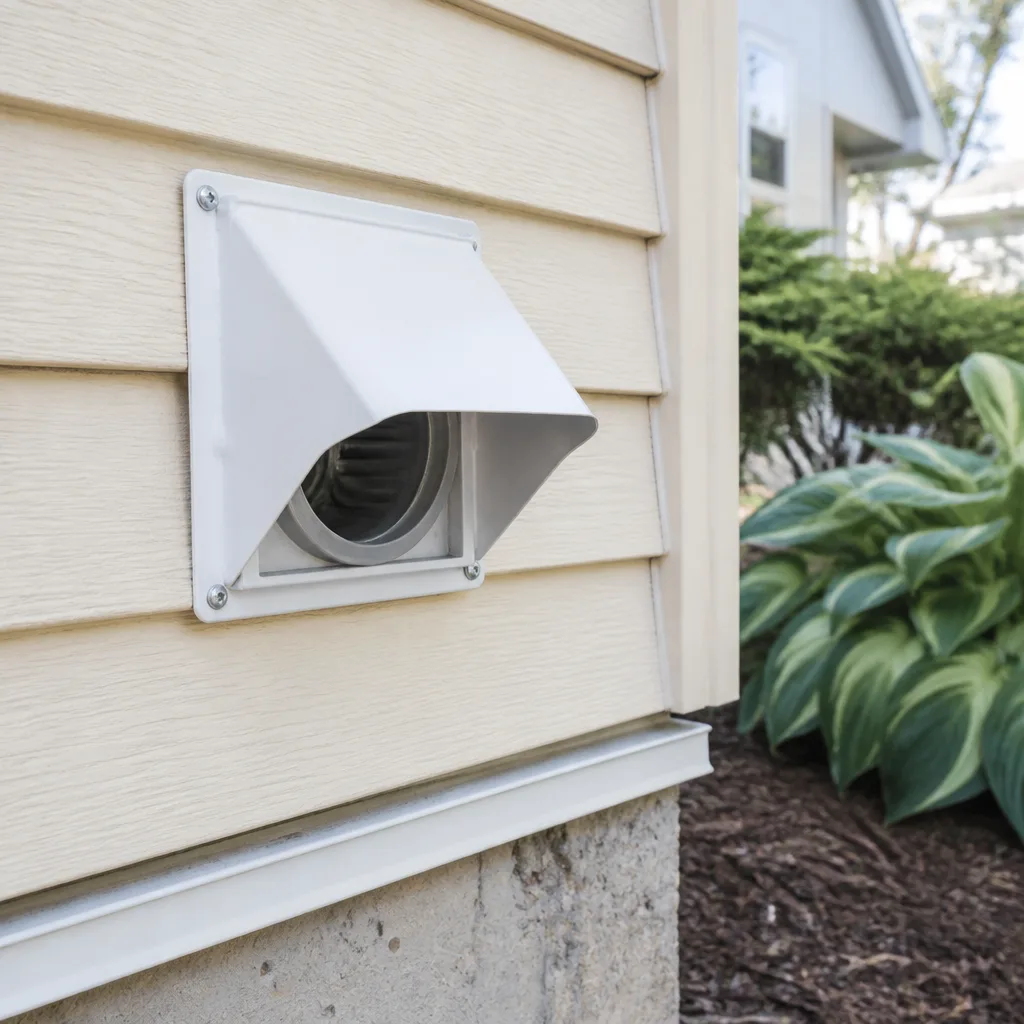 Dryer vent cleaning
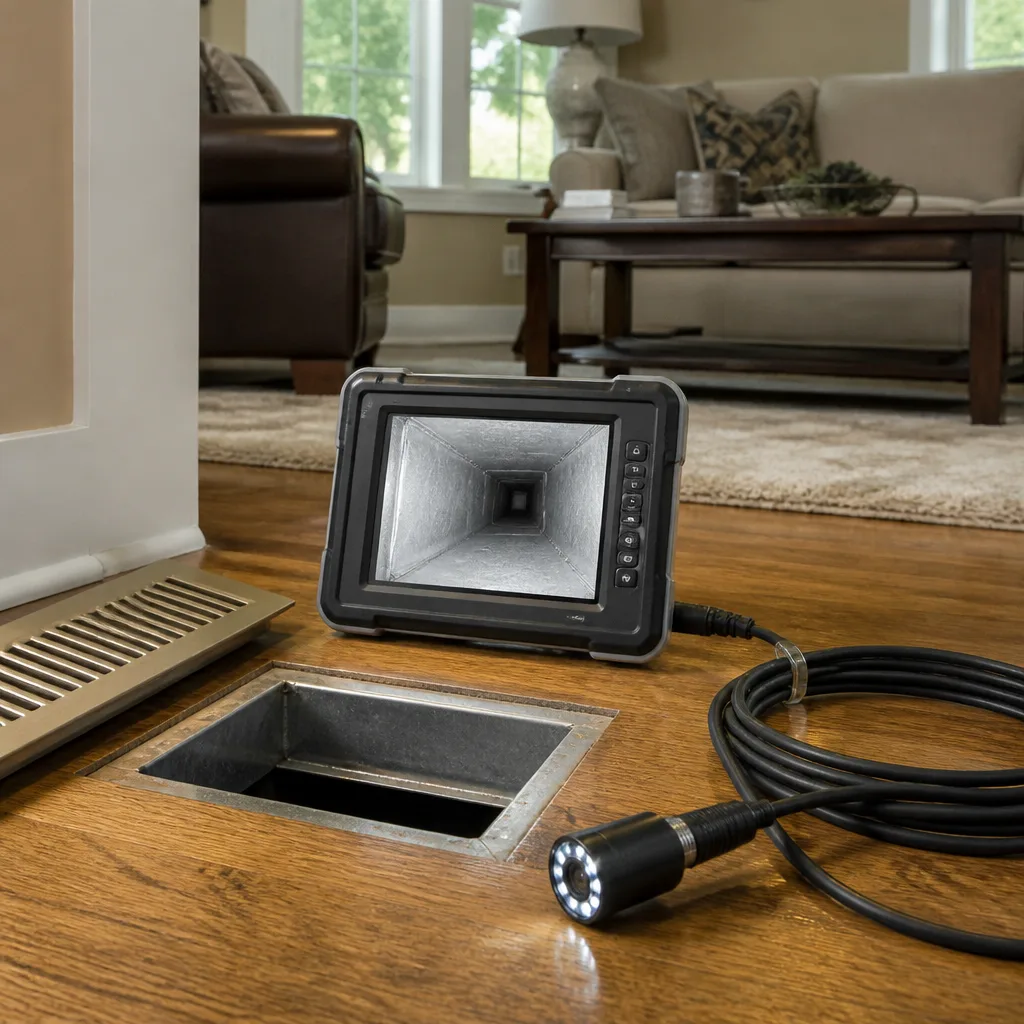 Camera inspection
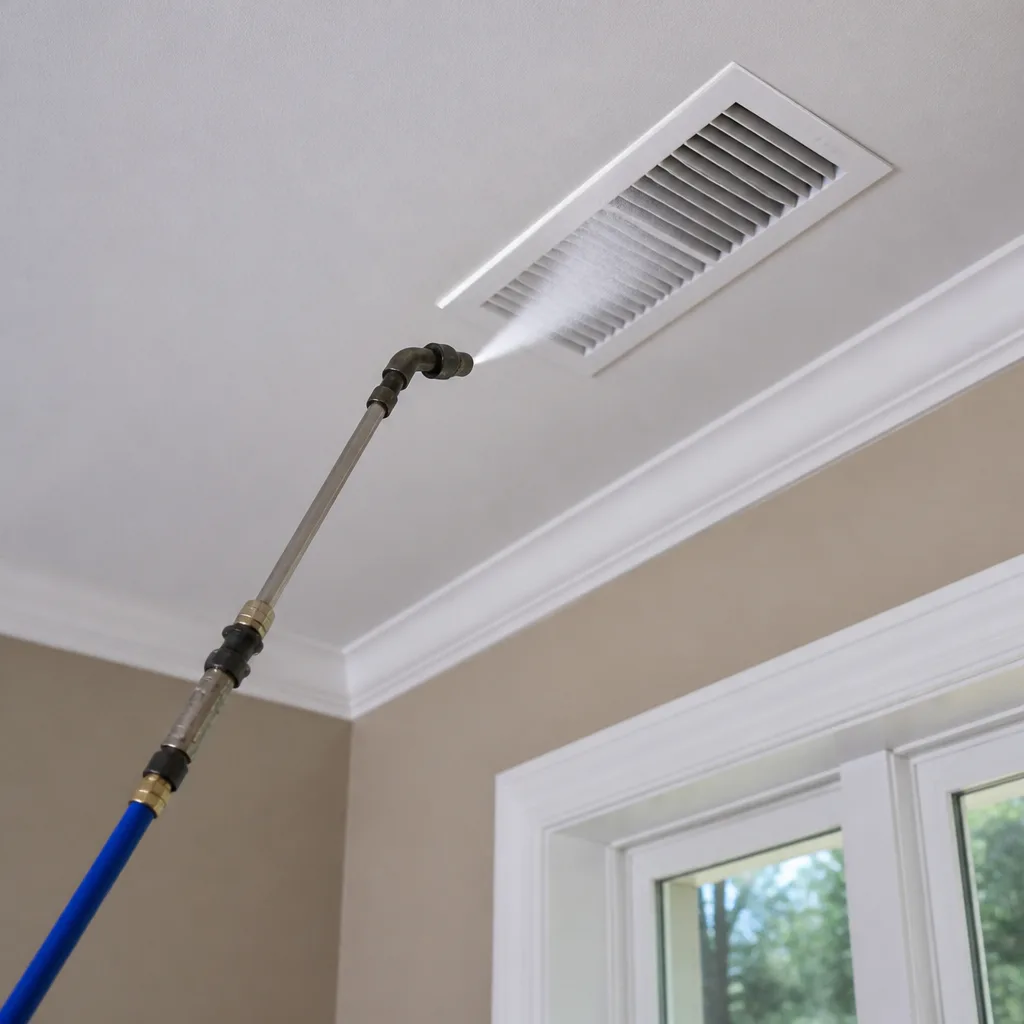 Sanitizing & deodorizing
Whole-system duct and dryer vent check with before-and-after photos - you see exactly what came out of your vents
That "$99 whole-house special" is a bait ad - the real number appears once they are in your hallway, or the "clean" is a shop-vac at the register. We photograph the inside of your ducts before and after instead.
How to Hire an Air Duct Cleaning Contractor in Auburn: A Step-by-Step Guide
A $99 duct cleaning coupon is not a price. It’s a lead generation tool, and the work it describes is legally undefined in Washington State, which has no licensing category specific to duct cleaning. That means almost anyone with a vacuum and a business license can call themselves a duct cleaning contractor in Auburn. The homeowners who get burned usually aren’t the ones who skipped a background check. They’re the ones who never asked which equipment would actually be in their driveway. This guide gives you the five equipment questions, the registration checks, and the written scope of work that separate a real contractor from a coupon with a phone number.
Quick Answer
To hire an air duct cleaning contractor in Auburn, verify the company’s Washington UBI number through the Department of Revenue, ask five specific equipment questions (vacuum CFM rating, brush system type, camera inspection capability, negative-pressure verification method, and sanitizer EPA registration number), and get a written scope of work before anyone starts. Since Washington has no duct-cleaning-specific license, equipment verification is your primary defense against bait-and-switch operators.
Styles & brands we work with
- Whole-home duct cleaning
- Dryer vent cleaning
- Camera inspection
- Sanitizing & deodorizing
Table of Contents
- Why Washington State Licensure Doesn’t Protect You Here
- The Five Equipment Questions Every Auburn Homeowner Should Ask
- How to Verify a Contractor’s Registration Before You Write a Check
- What NADCA Membership Actually Obligates (and Doesn’t)
- What a Legitimate Written Scope of Work Looks Like
- Pacific Northwest Red Flags: Mold Upsells, Flex Duct Refusals, Skipped Returns
- Why Full Air-Pathway Scope Matters More Than a Single Visit
Why Washington State Licensure Doesn’t Protect You Here
Washington regulates electricians, plumbers, and HVAC mechanics under specific license classes. Duct cleaning is not one of them. A company cleaning ducts in Auburn is not required to hold a specialty trade license for that work, which means the usual advice (“check their license”) doesn’t apply the way it does for a panel upgrade or a gas line.
What does apply is general contractor registration through the Department of Labor & Industries, and a Unified Business Identifier, or UBI number, issued by the Department of Revenue. Those confirm the business exists and is registered to operate in Washington. They do not confirm the technician knows how to clean a duct system. That gap is exactly why the equipment questions in the next section matter so much.
Here’s the practical consequence for anyone shopping in Auburn. A company that cleans ducts well and a company that runs a shop vac through your registers can both present the same registration paperwork. Both can print a coupon. Both can say “licensed and insured.” Only one of them has a rotary brush system and a contact vacuum with enough airflow to actually move the debris out of the system rather than stir it around.
We point this out not to scare anyone off hiring locally. We bring it up because the decision has to rest on something other than a license category that doesn’t exist. When you understand the regulatory vacuum, the equipment conversation stops being a sales pitch and becomes the interview itself.
The Five Equipment Questions Every Auburn Homeowner Should Ask
Ask these five questions before booking, ideally on the phone, before anyone comes to the house. A contractor who does this work seriously answers them without hesitation. A contractor running a shop vac with a camera zip-tied to it will hedge, deflect, or change the subject.
- What CFM rating is your vacuum? CFM means cubic feet per minute, and it’s the airflow the vacuum can pull. Professional contact vacuums run at ratings far beyond a shop vac. Ask for the number. “It’s industrial” is not a number.
- What kind of brush system do you use? Rotary brush systems and compressed-air whips are the standard tools for agitating debris off duct walls. A vacuum alone, without agitation, leaves the caked material attached.
- Do you do camera inspection, and will I see the footage? Cameras confirm what’s actually inside the ducts before and after. Before-and-after footage of your own system is the single most useful evidence you’ll get that the work happened.
- How do you verify negative pressure? Negative-pressure containment means the cleaning zone is kept at lower air pressure than the living space, so loosened debris travels toward the vacuum rather than into your rooms. Ask how they confirm it. A contractor who understands the concept can explain the method.
- What’s the EPA registration number on your sanitizer? If the job includes sanitizing, the product should carry an EPA registration number. Ask for it, then check it. Products used with Abatement Technologies containment or installed alongside Honeywell filtration are typically specified up front.
Our own equipment is Rotobrush and Nikro contact-vacuum and rotary brush systems, the same platforms commercial and restoration contractors use. Negative-pressure containment comes from Abatement Technologies equipment. You don’t have to hire us to benefit from these questions. You just have to ask them of whoever you do hire.
One more note: ask these before price comes up. Comparing quotes on cost before you know what equipment is coming to the house is comparing two numbers that describe different jobs.
How to Verify a Contractor’s Registration Before You Write a Check
Verification takes about ten minutes and it’s the cheapest insurance you’ll ever buy on a home service. Here’s the sequence.
- Get the company’s legal business name. Not the trade name on the coupon. The registered entity.
- Ask for the UBI number. Every registered business in Washington has one. A legitimate contractor will provide it without friction.
- Look the UBI up through the Department of Revenue’s business lookup. The DOR runs a public business lookup tool that confirms registration status. Cross-check the business name against what’s on the quote.
- Confirm the registration is current, not expired. A lapsed registration is a red flag worth acting on.
- Ask for a certificate of insurance and verify it with the insurer. Insurance claims on a contractor’s letterhead tell you nothing until the insurer confirms the policy is active.
What registration doesn’t tell you: whether the technician is trained, whether the equipment is commercial-grade, or whether the company follows a recognized cleaning standard. Registration confirms the business is a business. That’s the floor, not the ceiling.
We recommend saving the DOR lookup page to your phone before you start making calls. It takes seconds to run a check once the contractor hands over a UBI number, and it turns a vague worry about legitimacy into a yes or no answer. In a market where a van can be re-lettered over a weekend, that kind of certainty is worth more than a discount.
What NADCA Membership Actually Obligates (and Doesn’t)
NADCA is the National Air Duct Cleaners Association, and it publishes an industry standard for how duct cleaning should be performed. Membership signals that a contractor has chosen to align with a professional body. It is not a license, and it is not enforced by any state agency.
So what does NADCA membership actually mean for your job? Here’s an honest breakdown.
- It means the contractor has accepted a published standard. NADCA members commit to following the association’s assessment, cleaning, and restoration principles. That’s a real commitment, but it’s voluntary.
- It means the contractor has access to training and equipment guidance. Membership dues and continuing education aren’t free, so the barrier to entry filters out hobbyist operations.
- It does not mean an inspector will check your job. No third party signs off on the work. NADCA doesn’t have enforcement authority over a cleaning in Auburn.
- It does not guarantee pricing, warranty, or scope. Those are set by the contractor, not the association. You still need a written scope of work.
Ask whether the contractor is a NADCA member, and if yes, ask what standard they follow for a residential job. A member who can describe the process in detail is the one you want. A member who can’t describe the process but leads with the credential is telling you something too.
In our experience, the NADCA conversation is most useful as a starting point for the equipment questions, not as a substitute for them. A company can be a member and still send a crew with the wrong vacuum. The credential opens the door; the equipment questions close the deal.
What a Legitimate Written Scope of Work Looks Like
A written scope of work is the document that turns a verbal promise into something you can hold a contractor to. If a company won’t put it in writing before the work starts, that’s the whole conversation. Ask for the following in writing, and don’t accept “we’ll go over it when we get there.”
- Which registers will be cleaned. Supply and return, listed by room or by count. “All of them” is not a scope.
- Which equipment components are in scope. Ducts, plenum, air handler, coils, blower, dryer vent – each one either in or out, stated plainly.
- Whether the return side is included. This is where cheap quotes hide the gap. Return ducts carry as much debris as supply ducts, and skipping them means half the system stays dirty.
- Which sanitizer will be used, and its EPA registration number. If sanitizing is part of the job, the product gets named.
- Whether camera inspection is included and how footage is delivered. Before-and-after pictures of your own ducts, not stock photos.
- Whether any repair or sealing work is anticipated. If leaks are found during cleaning, you want to know before the invoice whether repair is included, optional, or a separate quote.
- The price, per system, agreed before work starts. Not per vent. Not per hour. One flat price for the system you’re having cleaned.
We lay out the full air-pathway plan before we start: air duct cleaning covers the duct run, and any dryer vent work is scoped separately so you know what’s in the visit. For homes with an HVAC unit in the mix, HVAC cleaning gets its own line item because coils and blowers are a different job with different tools.
When the scope is written down, the bait-and-switch problem disappears. Anyone who wants to add a charge mid-job has to point to something the written scope already covered.
Pacific Northwest Red Flags: Mold Upsells, Flex Duct Refusals, Skipped Returns
Some duct cleaning problems are universal. Others are specific to how homes in the Puget Sound region are built and how the local market has evolved. Here are the red flags worth knowing before you book in Auburn.
Mold treatment upsells after a “free inspection.” The pattern is familiar: a low coupon price, a technician arrives, a scope finds “mold,” and the price jumps before work begins. Mold testing and remediation is a specialized service with its own standards, not an add-on decided on the spot by someone with a sprayer. If a contractor wants to treat mold as an upsell, that’s a sign to get a second opinion from someone who tests rather than treats.
Contractors who won’t quote flex duct systems. A large share of Puget Sound homes, especially newer construction and additions, run flex duct in at least part of the system. Flex duct requires a different cleaning approach than rigid metal, and some companies simply don’t have the tools or training for it. A quote that excludes flex duct or refuses to quote it at all is a red flag in this market.
Companies that skip the return side. Return ducts pull air from the house back to the air handler. They collect dust, pet hair, and debris, and they’re often the dirtiest part of the system. A quote that doesn’t mention returns is a quote that covers half the job.
Vanity sanitizers with no EPA registration number. Generic foggers sprayed through a system with no documented product, no registration number, and no odor control plan are not sanitizing. They’re a misting service with a markup.
No camera, no footage. If there’s no way to see what’s inside before and after, you can’t verify the work. Full stop.
We see these patterns often enough that we built our process around countering them. Rotobrush and Nikro systems handle both rigid and flex duct with the right brush heads, and Abatement Technologies negative-pressure containment keeps loosened debris out of your living space. Every job gets before-and-after camera footage of the customer’s own system, and the dryer vent piece of the job is scoped adryer vent cleaning service where a lint clog is a safety concern, not a comfort one.
Why Full Air-Pathway Scope Matters More Than a Single Visit
Duct cleaning gets described as a single service. In practice, a home’s air-movement system has at least five distinct components, and cleaning one without the others leaves the problem half-solved.
Here’s how the pieces fit together.
- Supply ducts carry conditioned air from the HVAC unit to each room. Agitation and contact vacuum remove the material stuck to the walls.
- Return ducts pull air back to the air handler. They’re often the dirtiest part of the system and the first thing cheap quotes drop.
- The HVAC unit itself – coils, blower, and plenum – accumulates debris from the air it moves. Cleaning the ducts without cleaning the coils leaves the source in place.
- Dryer vents are a separate air pathway with their own fire-safety concern. Cleaning them alongside the HVAC system is efficient and covers a documented risk.
- Duct integrity matters because leaks and gaps in the ductwork let contamination re-enter after the cleaning. Cleaning without sealing is treating the symptom.
That last point is one of the reasonAuburn Air Duct Cleaning Pros offers duct repair and sealing alongside cleaning. When we find leaks during a cleaning, we can address them rather than handing over a problem report and a recommendation to call someone else.
Duct integrity work uses the same site assessment as the cleaning itself: registers are checked for airflow, joints for gaps, and the air handler for fitment. When a system needs sealing or a repair on a return run, the fix goes in the same workflow instead of a follow-up visit.
For homes with allergy concerns or a family member with respiratory sensitivities, the air quality piece is worth scoping in the same job. Honeywell and Aprilaire filtration products install at the time of service, not as a promise for later. Sanitizing after the mechanical cleaning is the standard sequence – clean first, then treat. Guardsman products are part of the toolkit for the air quality and sanitizing step, and pairing them with a whole-home filtration upgrade gives you a system that stays cleaner longer.
Common Mistakes to Avoid
- Booking on price alone. Two quotes twelve hundred dollars apart describe different jobs. Price is the last comparison, not the first, and the number is only meaningful once equipment is verified.
- Not asking about the vacuum’s CFM. A shop vac pulling a few hundred CFM can’t move enough air to carry debris out of a duct run. Ask for the number and expect one.
- Skipping the return side of the system. Return ducts are usually dirtier than supply ducts and the easiest line item to drop from a cheap quote. If the return isn’t in the scope, the job isn’t done.
- Accepting a “free mold inspection” bundled with a low coupon. This is the bait-and-switch pattern most common in the Puget Sound market. Mold assessment is a specialized service, not a technician’s on-the-spot upsell.
- Not asking whether flex duct is covered. A significant portion of Auburn-area homes have flex duct in the system. A contractor who won’t quote it is excluding part of your home before they’ve seen it.
- Paying a deposit before any written scope is in hand. The scope document is your protection. No deposit without it, no exceptions, no matter how good the phone call felt.
- Not asking for the sanitizer’s EPA registration number. Products registered with the EPA can be verified. A vague “hospital-grade disinfectant” claim cannot.
See the difference
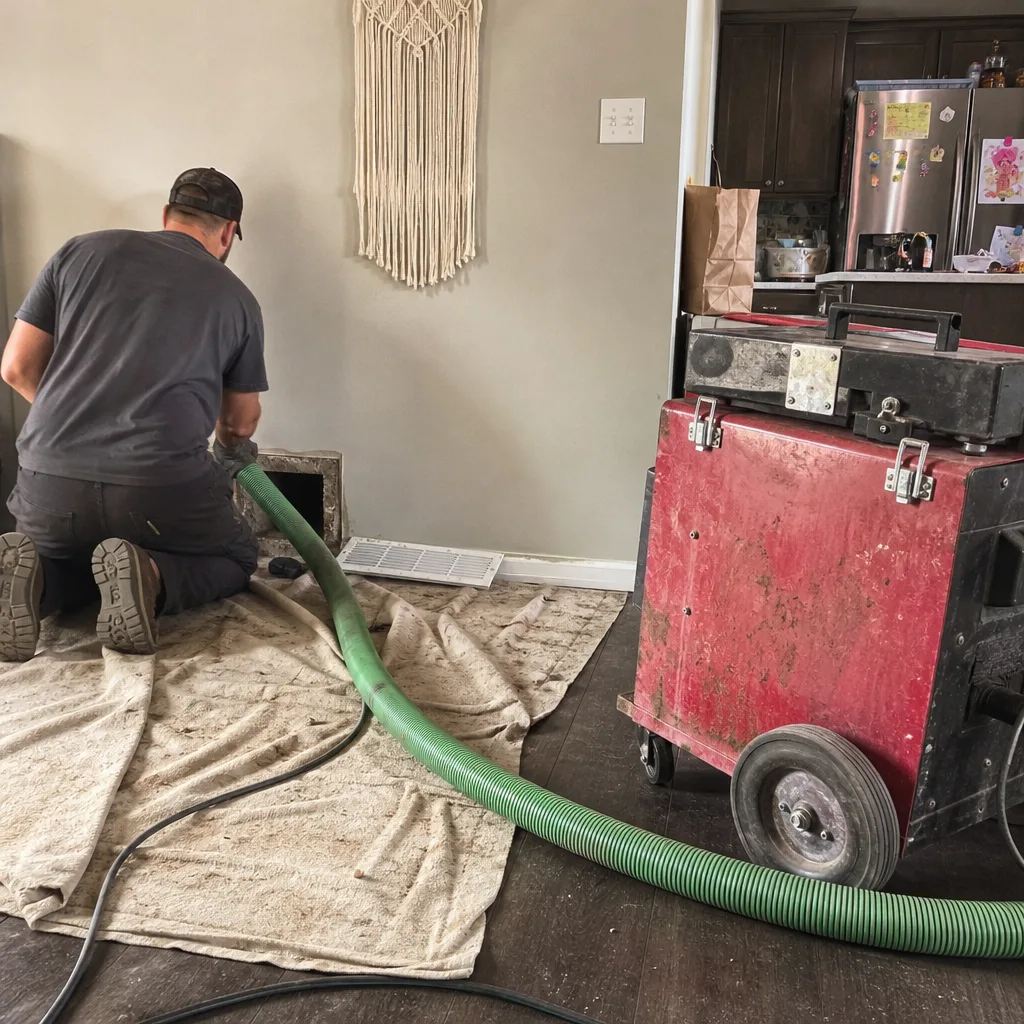 Before
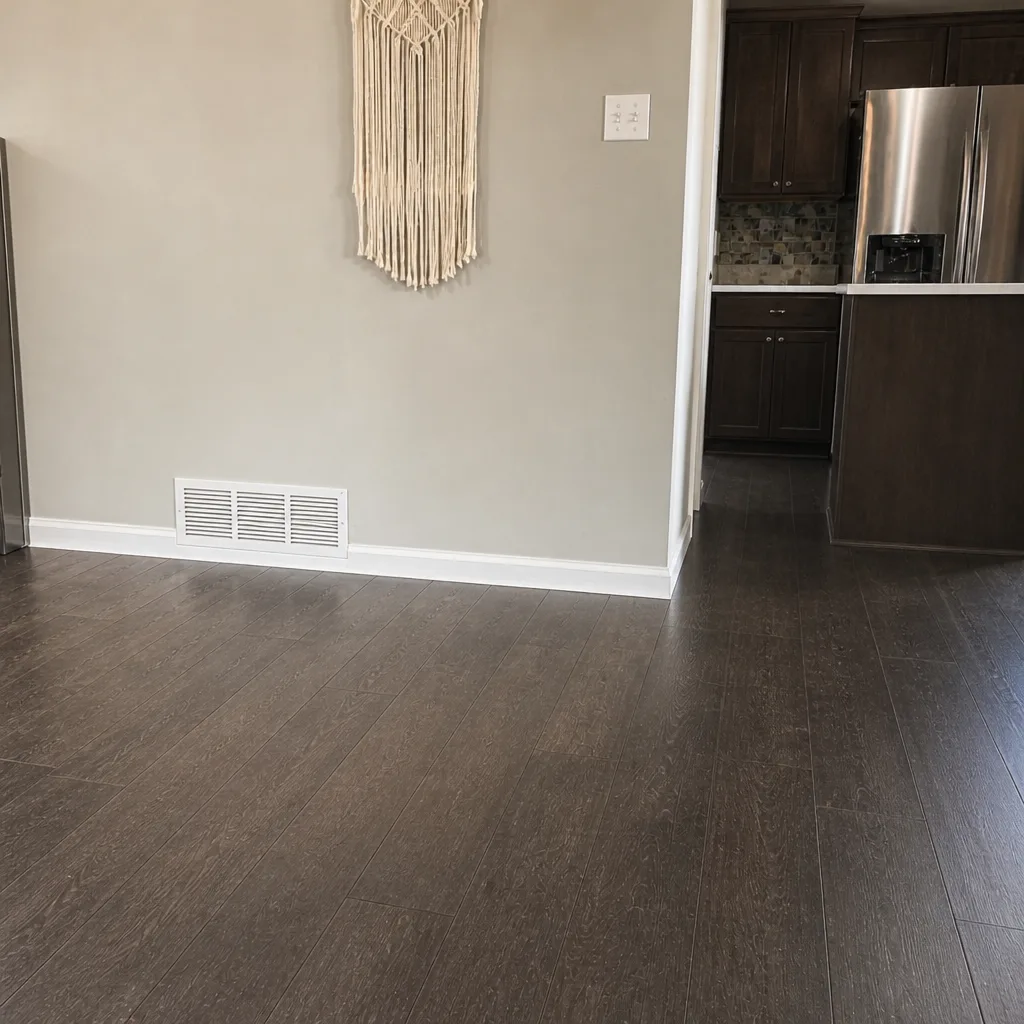 After
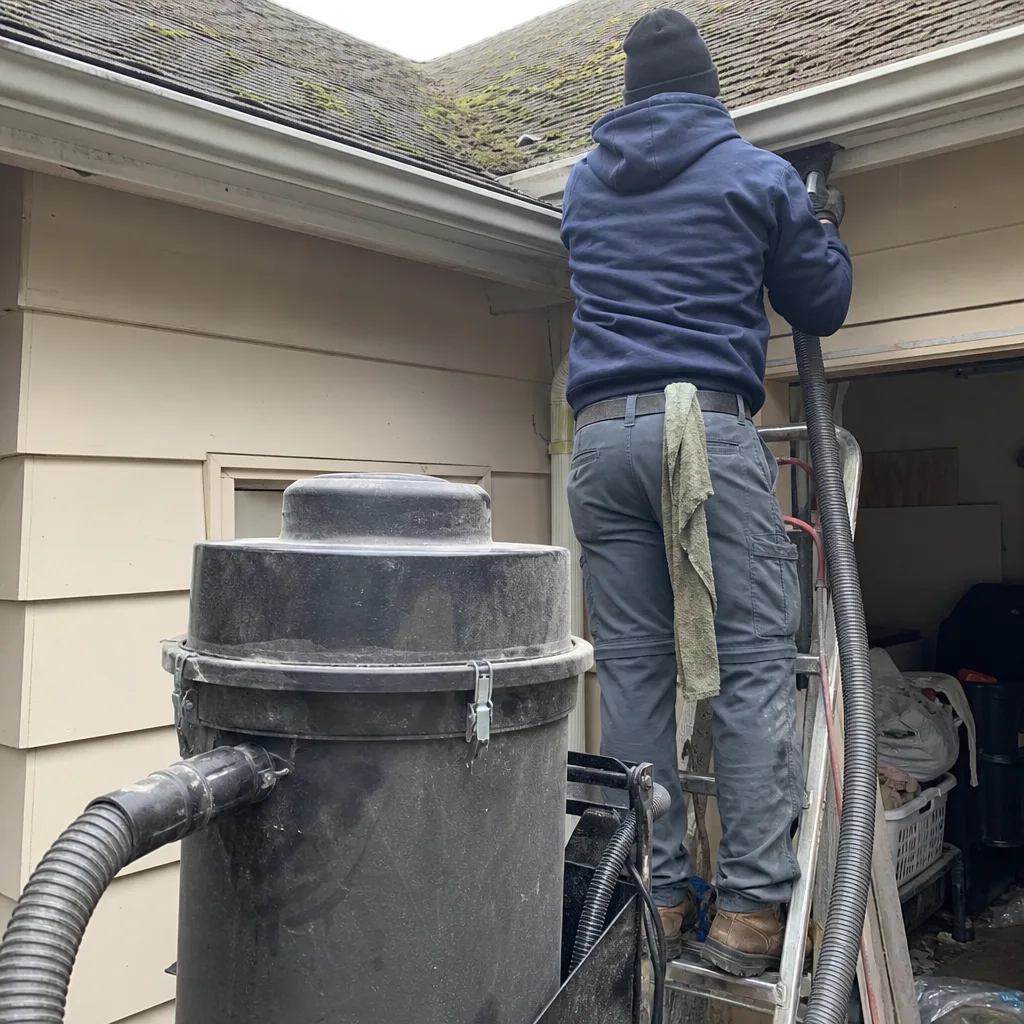 Before
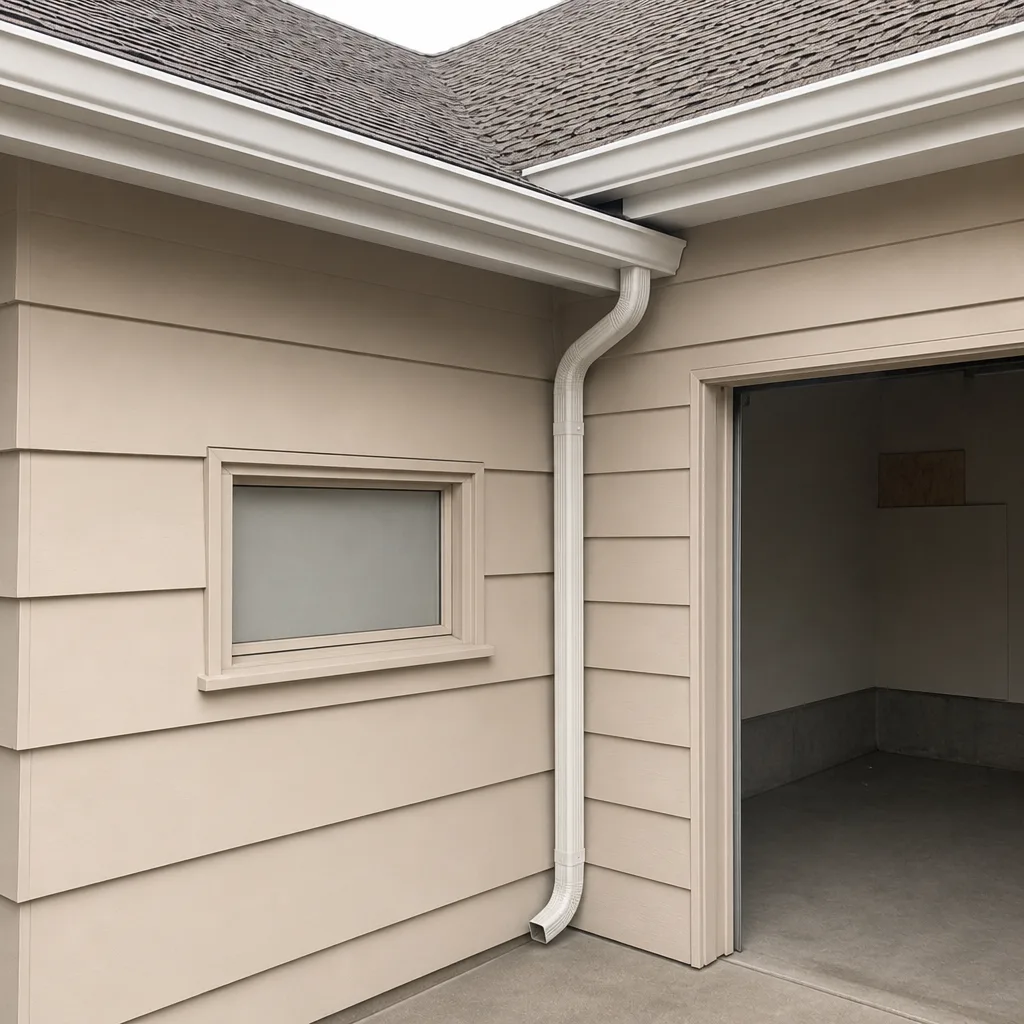 After
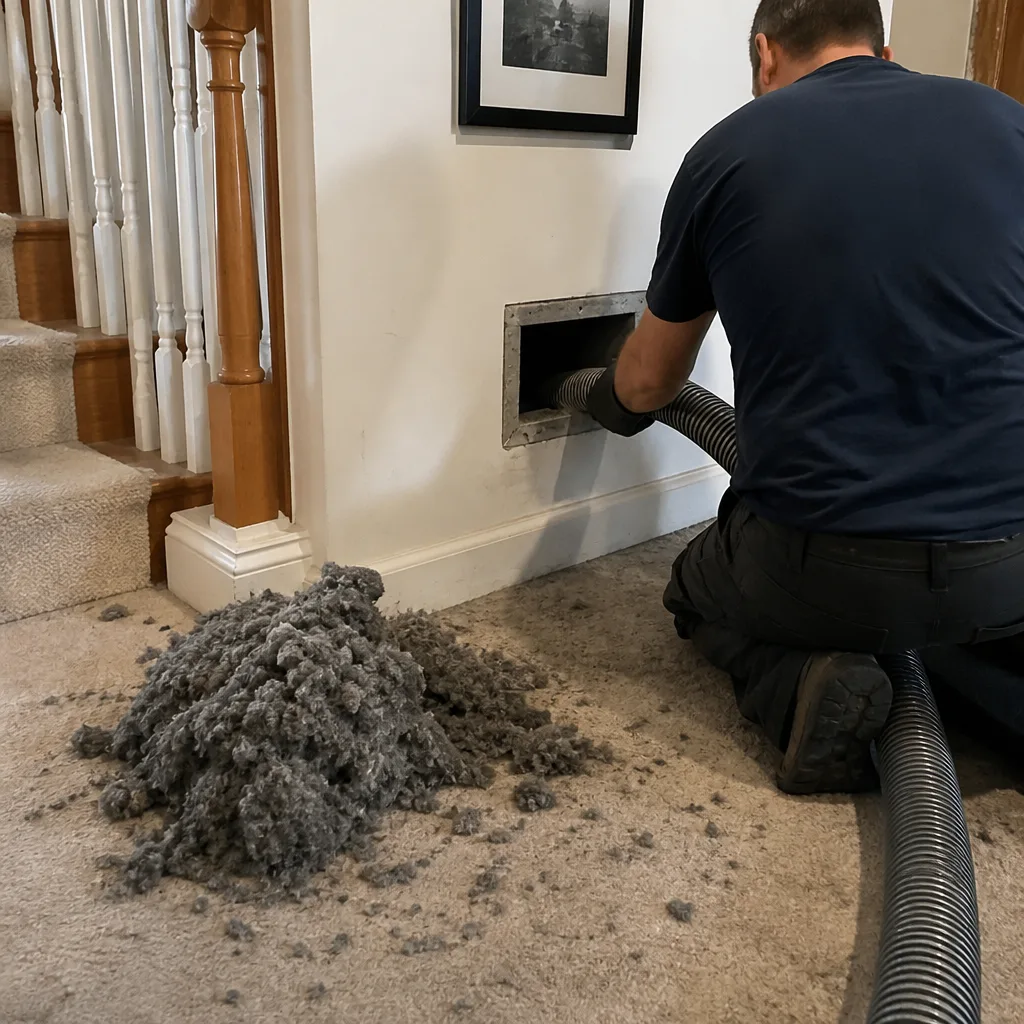 Before
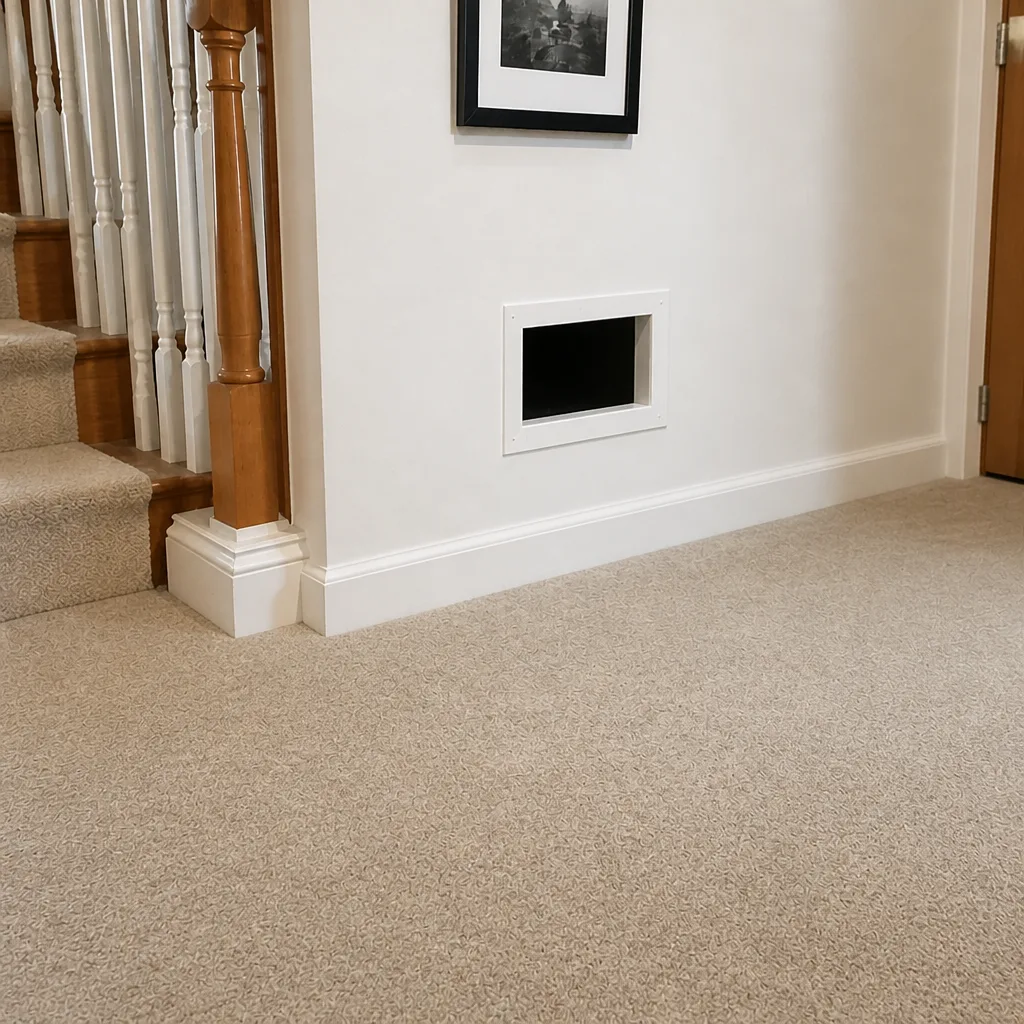 After
When to Call a Professional
Not every home needs a duct cleaning this year. Some signals are clear enough to pick up the phone. Visible dust blowing from registers shortly after you’ve cleaned the room. A musty smell that returns when the HVAC runs. A family member with a respiratory condition and no change after other measures. A dryer taking noticeably longer to dry a load, or lint accumulating around the outside vent hood. A recent remodeling project that left drywall dust in the system. Or a move-in to an Auburn home where the duct history is unknown.
If the system has never been cleaned, or if it’s been more than a decade, an initial assessment is a reasonable starting point. Auburn Air Duct Cleaning Pros offers free estimates in Auburn. Call (833) 513-8095. We answer 24/7. Fast dispatch from 7am to 7pm, Sunday through Friday.
Frequently Asked Questions
There’s no fixed market rate, and any contractor who quotes a coupon figure over the phone is quoting a lead price, not a job price. The honest answer is that cost depends on the system size, number of registers, whether the return side is included, whether flex duct is present, and whether HVAC coil cleaning or duct repair is scoped in. Ask for one flat price per system, in writing, agreed before work starts – not a per-vent price. Call (833) 513-8095 for an exact quote on your home; estimates are free.
Cheap quotes are usually cheaper because they cover less: no return-side cleaning, no camera inspection, no sanitizer with a registration number, and sometimes no actual mechanical agitation. A low coupon price becomes a much larger invoice once the technician is on site and identifies a “problem.” The fix is straightforward – insist on a written scope of work and one flat price per system before booking. Call (833) 513-8095 if you want an honest walk-through; estimates are free.
Ask for before-and-after camera footage of your own ducts, not stock photos. Professionally equipped contractors use camera inspection as part of the job, so the footage exists regardless. If a company can’t show you anything from inside your own system, that’s your answer. Call (833) 513-8095 to discuss what we document on a typical Auburn job; estimates are free.
No. NADCA membership shows the contractor has accepted a published industry standard, but it’s voluntary and not enforced by Washington State. It doesn’t guarantee pricing, scope, or that the right equipment shows up. Treat membership as a positive signal and still ask the five equipment questions. Call (833) 513-8095 if you want to hear how we answer them; estimates are free.
Not specifically. Washington licenses electricians, plumbers, and HVAC mechanics under defined trade classes, but there’s no duct-cleaning-specific licensing category. What applies is general contractor registration through the Department of Labor & Industries and a UBI number through the Department of Revenue. Those confirm the business is registered, not that the work will be done well. That gap is why the equipment questions matter so much.
There’s no universal schedule. A home with pets, allergy-sensitive occupants, recent remodeling, or a long gap since the last cleaning benefits from more frequent service than a low-traffic household. Many homes sit comfortably in the several-year range, especially when a whole-home filtration system is installed. Get a camera assessment first – it tells you what the system actually looks like, which beats guessing. Call (833) 513-8095 for an assessment; estimates are free.
The Bottom Line
Hiring a duct cleaning contractor in Auburn comes down to three things: verify the business is registered through the DOR using the UBI number, ask the five equipment questions before the price conversation begins, and get a written scope of work with one flat price per system before anyone starts. The equipment is the differentiator because Washington’s licensing structure won’t do that work for you. A contractor running Rotobrush or Nikro systems with real negative-pressure containment and documented sanitizers is doing a different job than one running a shop vac. Once you know which one you’re talking to, the rest of the hiring decision gets much easier.
Written by the team at Auburn Air Duct Cleaning Pros.