
Last updated November 25, 2026
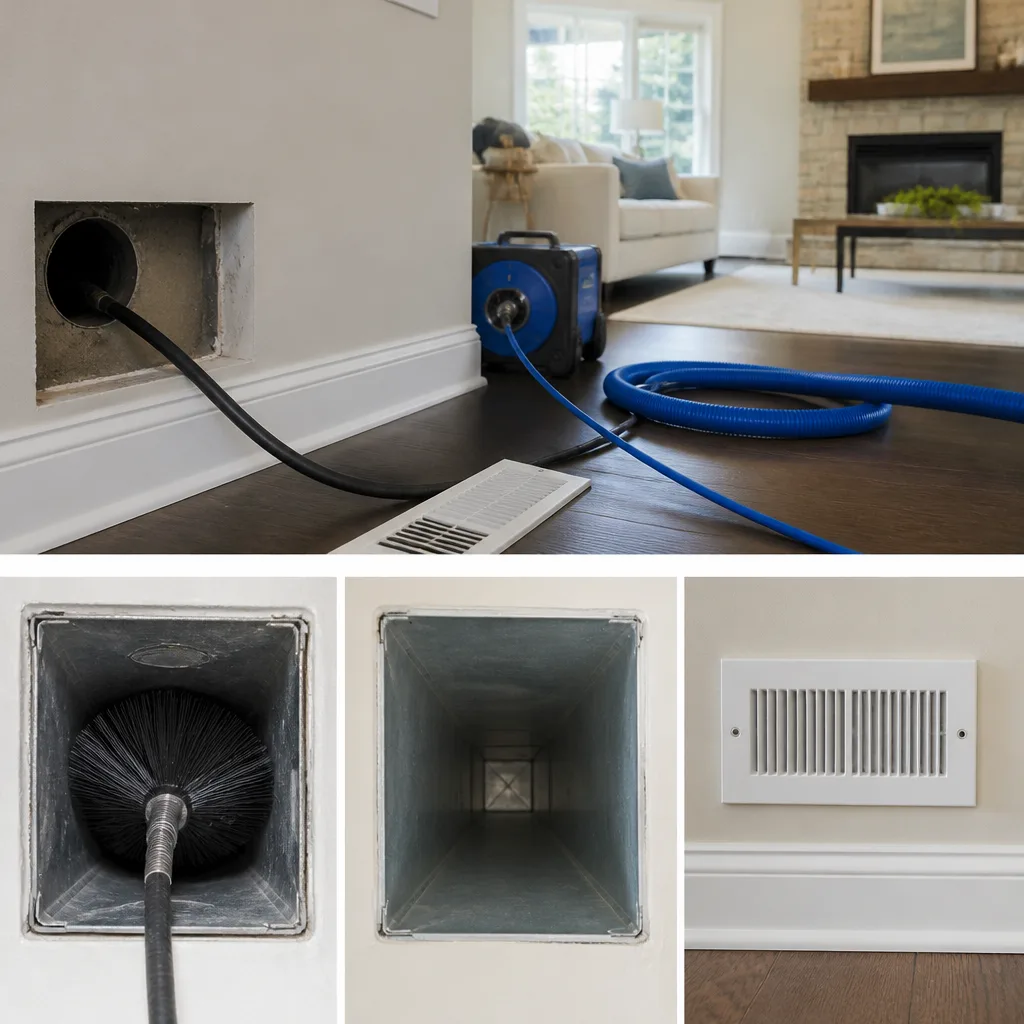 Whole-home duct cleaning
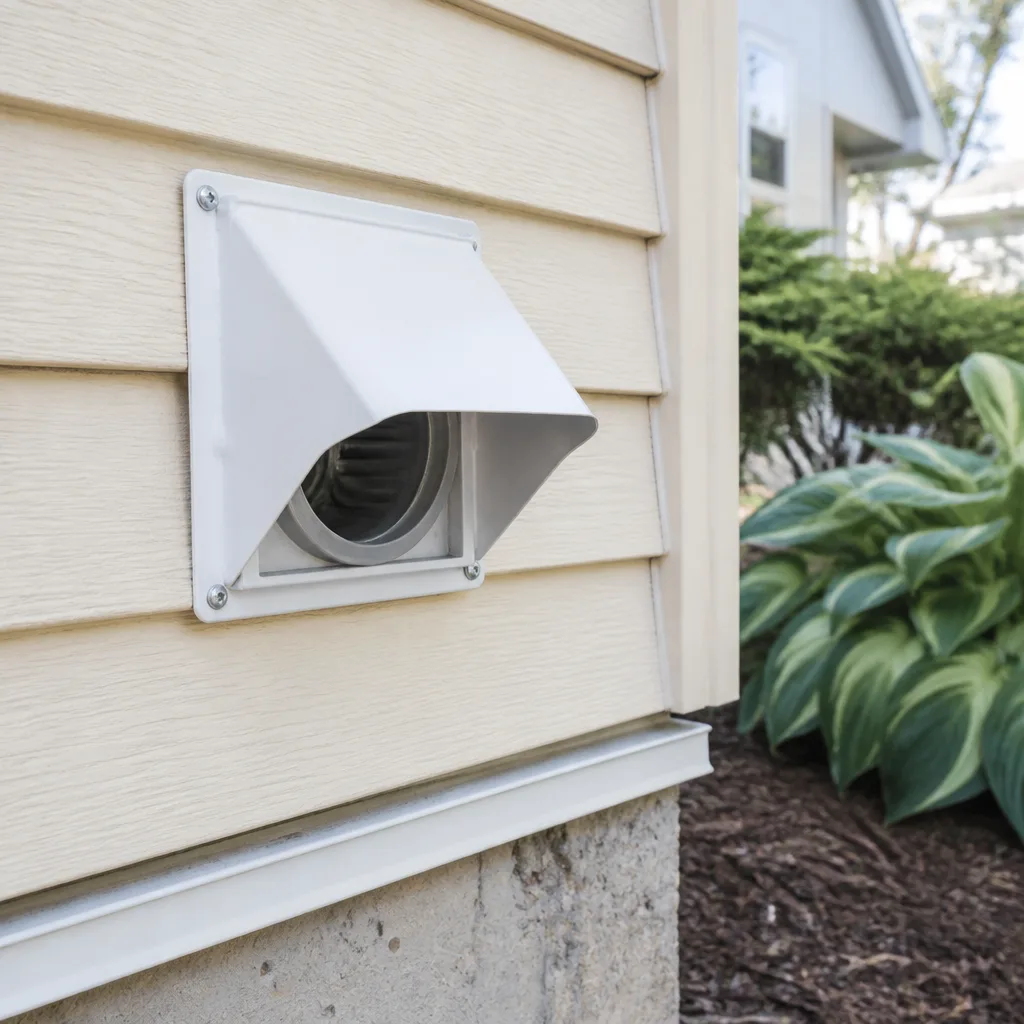 Dryer vent cleaning
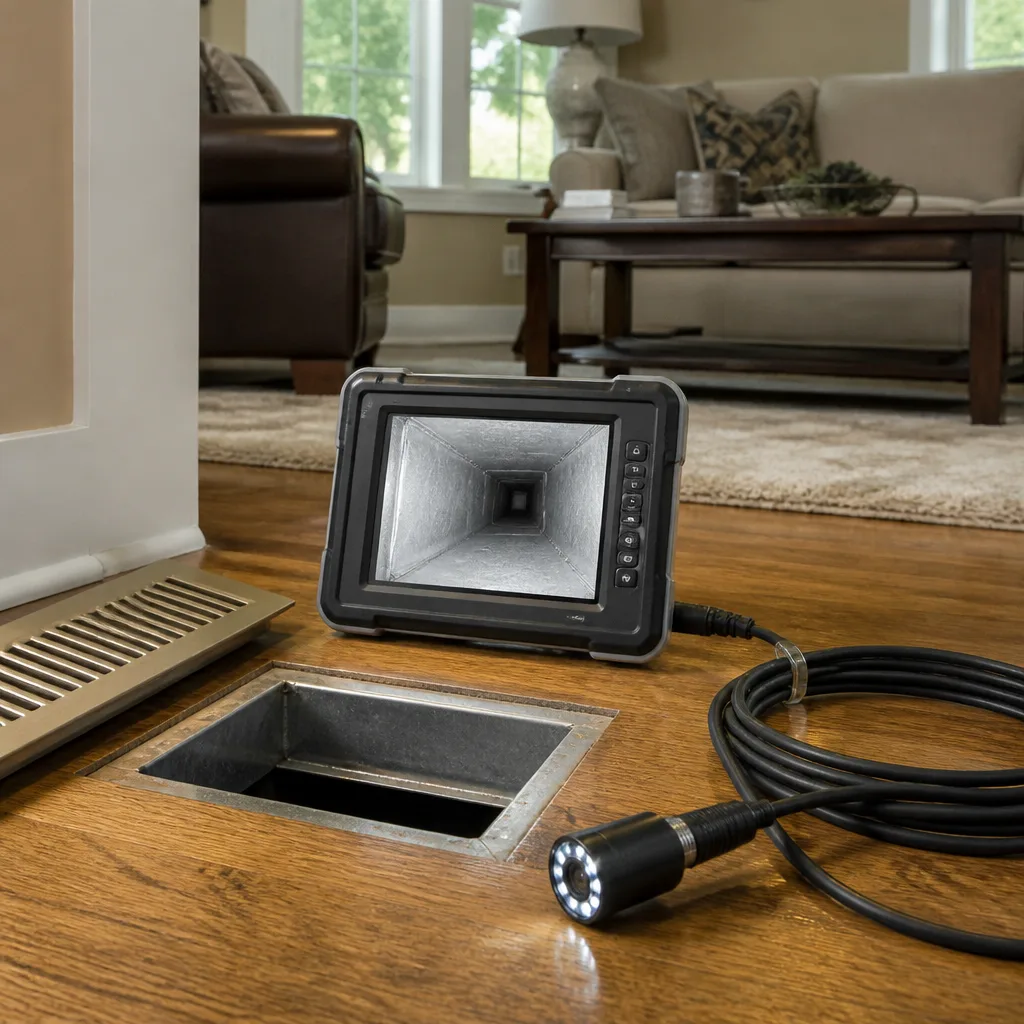 Camera inspection
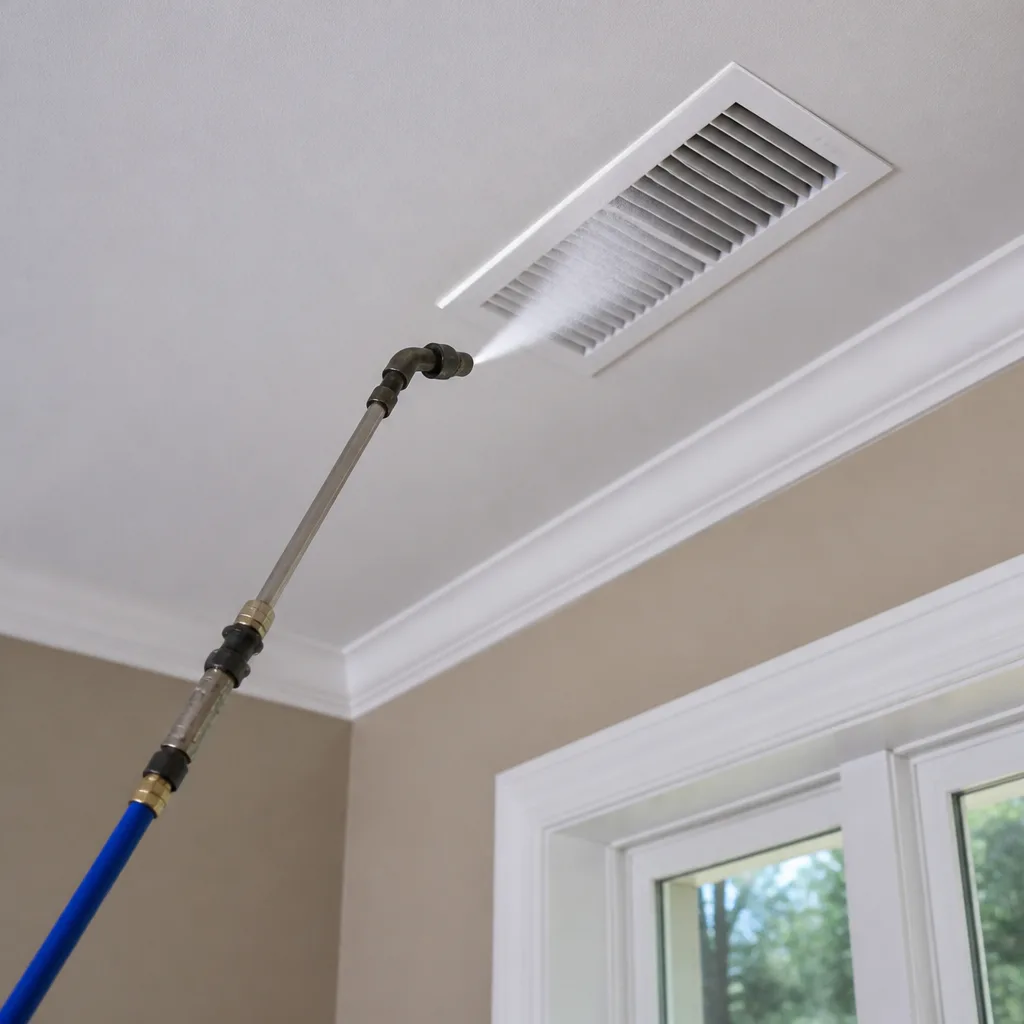 Sanitizing & deodorizing
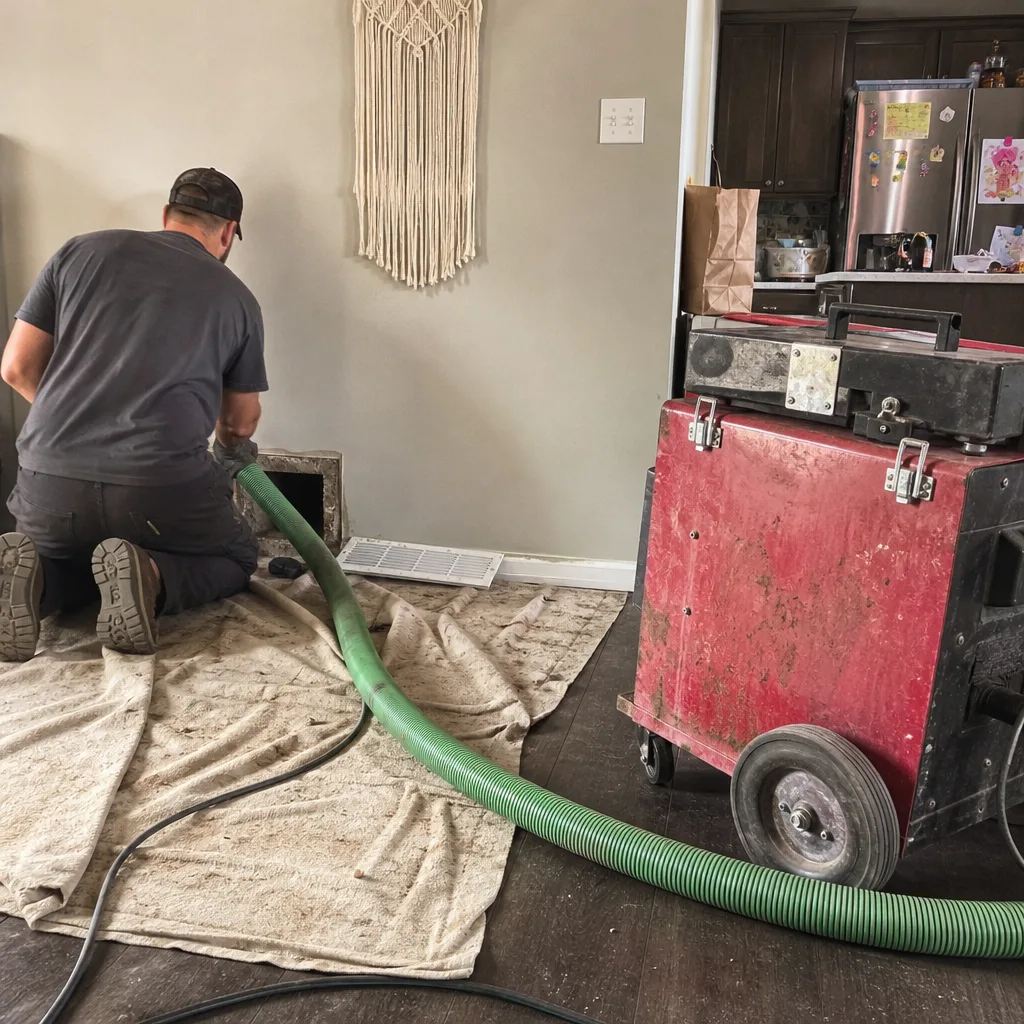
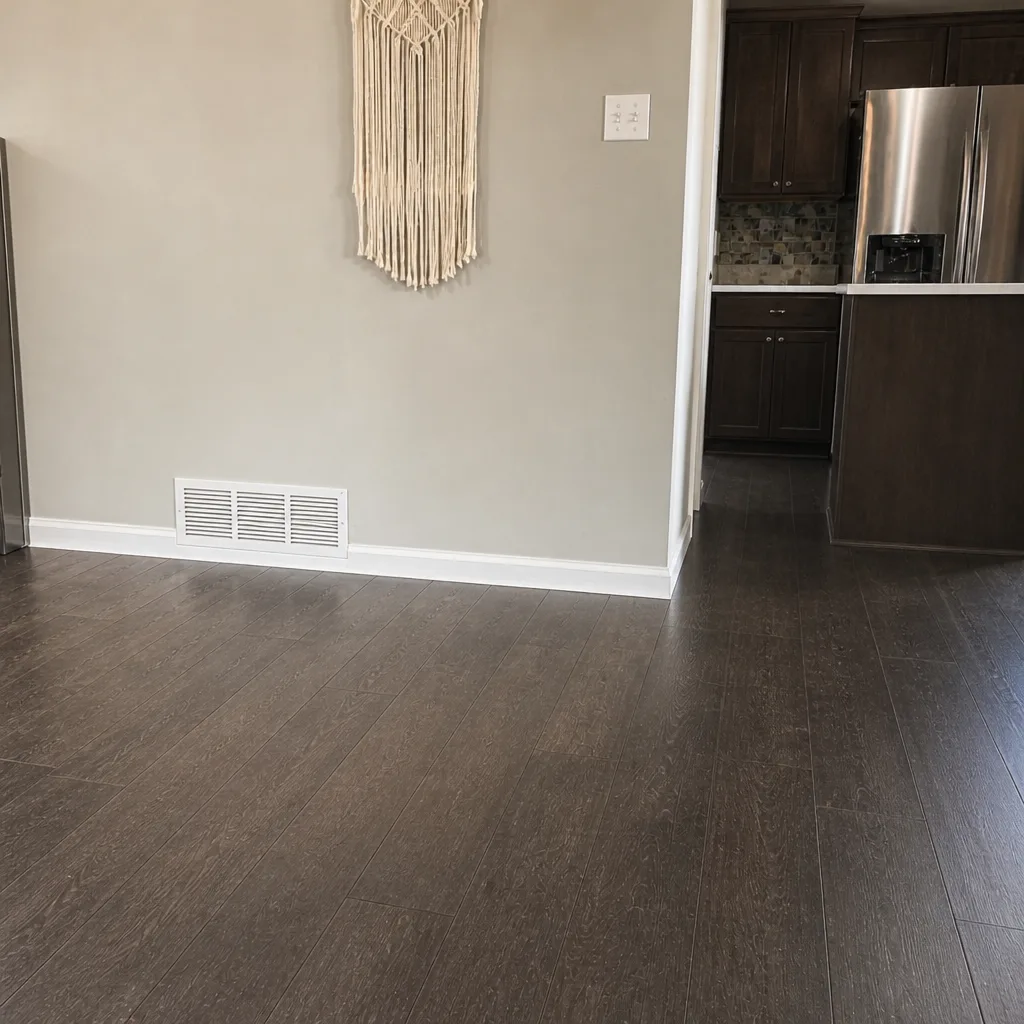
Whole-system duct and dryer vent check with before-and-after photos - you see exactly what came out of your vents
That "$99 whole-house special" is a bait ad - the real number appears once they are in your hallway, or the "clean" is a shop-vac at the register. We photograph the inside of your ducts before and after instead.
Air Duct Cleaning Cost Breakdown: The Auburn Homeowner’s Reference for 2026
Most homeowners assume duct cleaning quotes vary so widely because some contractors are inflating prices and others are cutting corners. Sometimes that’s true. More often, two quotes for the same Auburn house land $500 apart because one contractor priced a 12-register system with a crawlspace air handler and the other priced what the caller described over the phone: “a normal house, two floors.” The contractor never saw the trunk line buried behind a finished basement ceiling, never counted the returns, never asked whether the flex runs were sagging in a hot attic. The number that comes back is a guess dressed as a quote. What follows is the full list of variables that actually move the price in Auburn, so you can walk into a phone call with a real number, not a vague one, and understand why the honest quote and the lowball quote are rarely describing the same job.
Quick Answer
Air duct cleaning in Auburn typically runs $280 to $850 for a full residential system in 2026, with most single-family homes landing between $380 and $620. The range is wide because the price depends on square footage, register count, duct material, access conditions (crawlspace, attic, or slab), whether the air handler is included, and whether sanitizing is added. A written, itemized estimate is the only number that matters; phone quotes without a walkthrough are guesses.
Styles & brands we work with
- Whole-home duct cleaning
- Dryer vent cleaning
- Camera inspection
- Sanitizing & deodorizing
Table of Contents
- The Seven Cost Variables That Move Your Quote
- 2026 Auburn Price Ranges by Home Type
- Legitimate Add-Ons vs. Upsell Pressure
- The Scope Checklist: Comparing Quotes Apples-to-Apples
- What Duct Cleaning Really Costs Per Year
- How a Proper Cleaning Day Actually Goes
- Common Mistakes to Avoid
- When to Call a Professional
The Seven Cost Variables That Move Your Quote
Every honest estimate in Auburn comes down to seven variables. Walk through them before you call, and you’ll know within $100 what your system should cost. Skip them, and you’ll be comparing a number from one contractor who assumed the best case to a number from another who assumed the worst. Contractors who quote sight-unseen tend to build in a buffer for surprises. The homeowner who gives accurate details up front usually gets a tighter, more accurate number.
1. Square footage and system capacity
A 1,200-square-foot rambler and a 2,600-square-foot two-story don’t have the same duct volume. More conditioned space means larger trunk lines, more branch runs, and a bigger air handler. Expect roughly $0.25 to $0.40 per square foot of cleaned system as a rough sanity check. Below that, someone is either skipping sections or underestimating the job.
2. Number of supply and return registers
This is the single most important line item, and the one most homeowners don’t know offhand. A small rambler with eight supplies and two returns is a straightforward job. A two-story with eighteen supplies and four returns is a full day’s work with more debris removed and more equipment labor. Count your registers before you call: floor, ceiling, and wall vents all count. Don’t forget the return grilles, which are usually larger and sometimes hidden behind furniture or in a hallway ceiling.
3. Duct material: sheet metal vs. flex vs. mixed
Sheet-metal trunk lines can usually be cleaned with the same brush system used for the branches. Flex duct is softer, more prone to collapse, and often requires lower-speed brushes and different tooling. Homes built in the last twenty years around Auburn frequently mix a rigid trunk in the crawlspace with flex branches in the attic or ceiling cavity. That mixed layout takes longer and costs more to do properly because the technician has to switch equipment mid-job.
4. Access conditions: crawlspace, attic, or slab
How the technician physically reaches the air handler and trunk line is often the biggest price driver behind register count. A crawlspace with a clear access hatch and a dry floor is fast work. An attic with limited headroom and blown-in insulation takes twice as long. A slab-on-grade home with the air handler in a closet off the hallway is usually the easiest. If you have to move a car out of the garage to reach a unit in the garage ceiling, mention it.
5. Air handler cleaning inclusion
Roughly 60% of a system’s contamination sits in the air handler, blower compartment, and evaporator coil area, not in the visible duct runs. A quote that cleans the ducts but leaves the air handler untouched has skipped the most contaminated part of the system. Confirm in writing that the air handler is included. If it’s not, the low number isn’t a bargain; it’s an incomplete job.
6. Sanitizing treatment
Mechanical cleaning removes debris and dust. A sanitizing application treats what’s left on duct surfaces, which matters if the home has a history of moisture or mold smell. This is usually a $75 to $150 line item, not a mandatory upsell. If a contractor insists you need it without a diagnostic reason (visible growth, musty odor, prior water damage), ask why.
7. Location within our Auburn service geography
Our service area covers Auburn and the surrounding neighborhoods, including Lakeland Hills, Lea Hill, and the areas closer to the Auburn Golf Course. Travel distance isn’t usually a big factor inside the city, but if your address is at the edge of the service area, mention it. A trip charge should be stated up front or not applied, never added after the fact.
2026 Auburn Price Ranges by Home Type
Below are typical 2026 estimates for air duct cleaning in Auburn, broken down by home type. These ranges reflect the actual variation we see when evaluating real Auburn systems: register count, access, and material mix. Every estimate is confirmed with a walkthrough and locked in writing before work begins.
| Home type | Typical square footage | Registers (typical) | Estimated range (full system) |
|---|---|---|---|
| 1,200 sq ft rambler, single-story, crawlspace | ~1,200 | 8-10 supply, 2 return | $280 – $420 |
| 2,000 sq ft two-story, mixed metal and flex | ~2,000 | 12-16 supply, 3 return | $420 – $620 |
| 2,500+ sq ft newer construction (Lea Hill, Lakeland Hills) | 2,500+ | 18-24 supply, 4 return | $580 – $850 |
| Air handler / coil cleaning add-on | – | – | $100 – $200 |
| Sanitizing treatment add-on | – | – | $75 – $150 |
| Dryer vent cleaning (as a separate service) | – | – | $120 – $220 |
| Duct sealing (partial, diagnosed leaks) | – | – | $300 – $900 |
These are typical estimates; the written estimate sets the final price. Larger homes in Lakeland Hills with multiple zones and two air handlers will sit at the top of the range or above it, and older homes with unusual duct layouts sometimes exceed the range because the access work is more involved. In our experience, the biggest swing inside these numbers comes from register count and air handler access, not square footage alone.
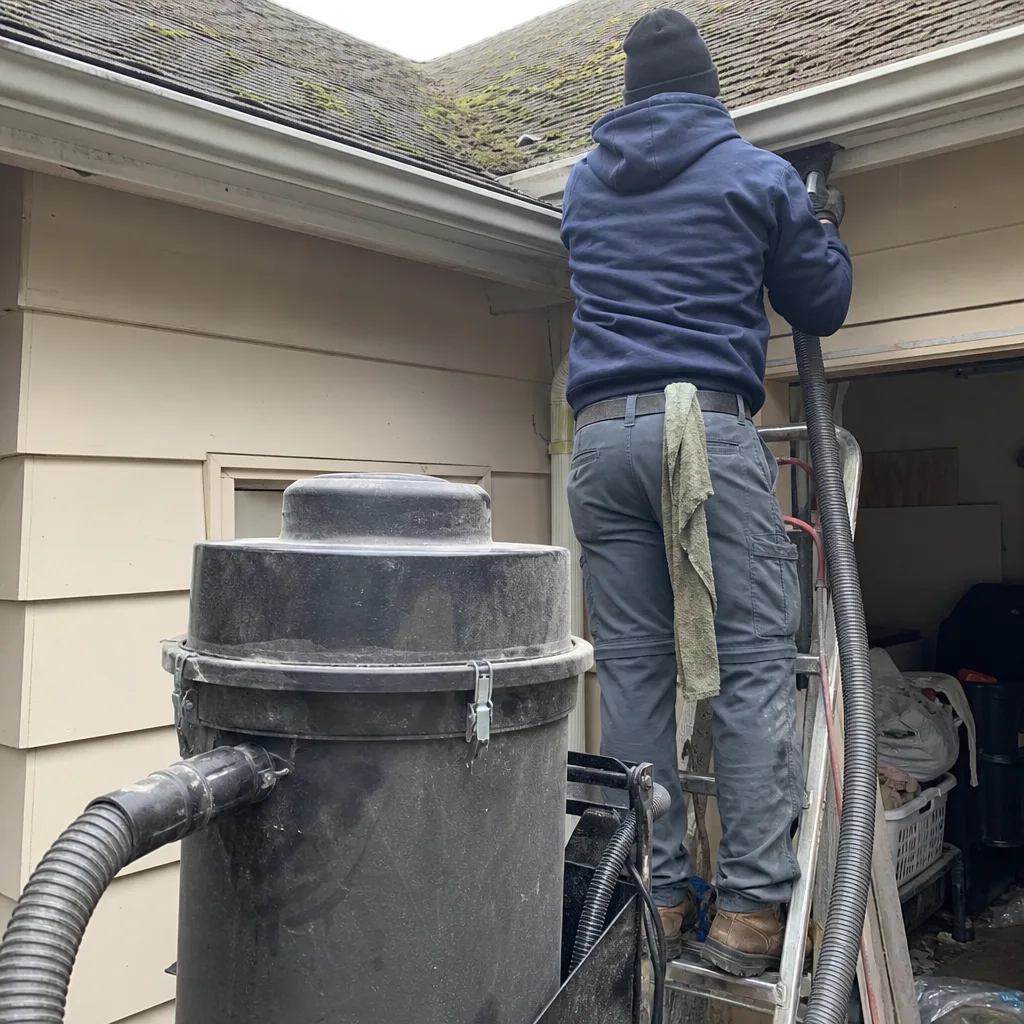
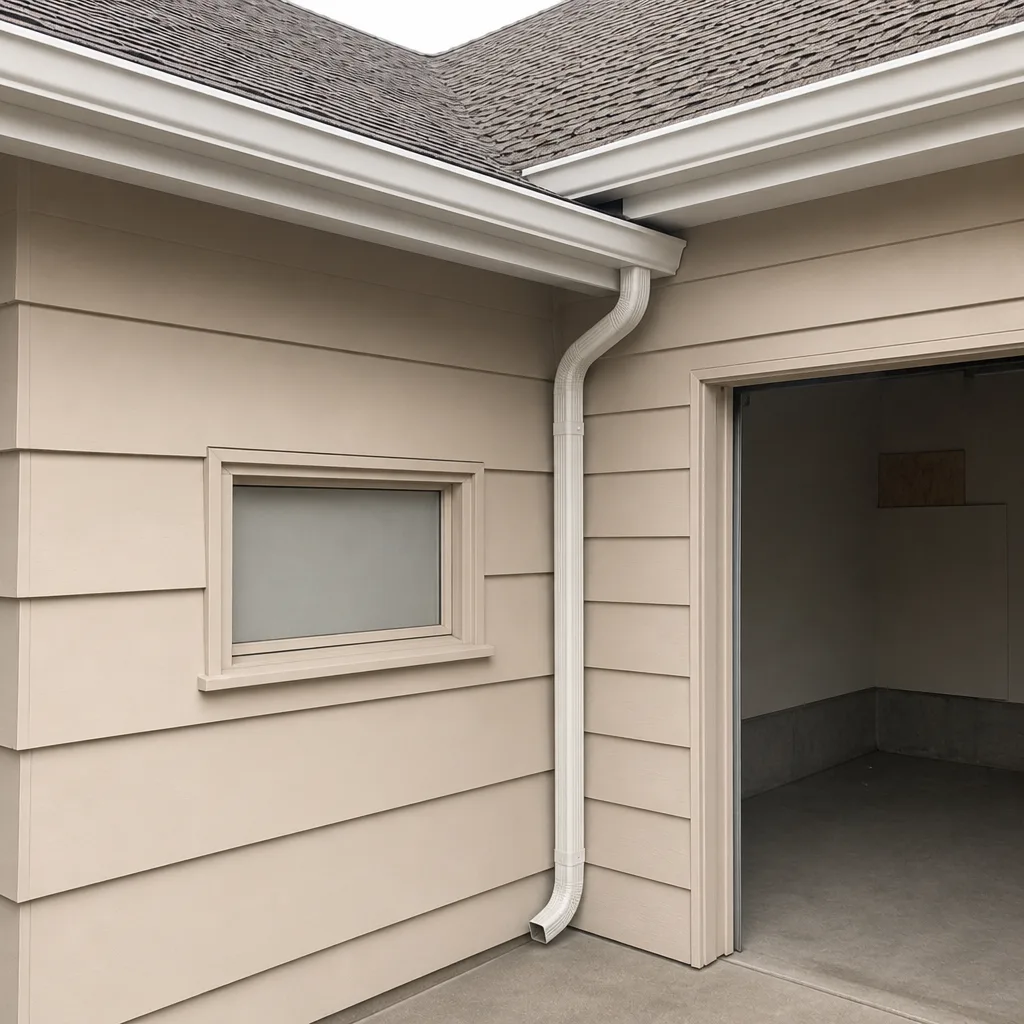
If you suspect your dryer vent is due as well, it’s worth pricing separately. Our dryer vent cleaning service covers the exhaust path a laundry appliance actually uses, and it often makes sense to schedule alongside a full duct cleaning since the equipment is already on site.
Legitimate Add-Ons vs. Upsell Pressure
Duct cleaning has a legitimate upsell problem. Some contractors arrive with a low base price and then present four or five add-ons on site, when a well-scoped job would have quoted the necessary ones up front. Here’s how to tell a real diagnostic recommendation from pressure.
Add-ons that usually have a real justification
- Air handler and coil cleaning – if the technician shows you visible debris or a dirty blower, this is a real finding. It’s also the most contaminated part of most systems, so if it isn’t in the original quote, ask why not.
- Dryer vent cleaning – if your dryer runs long, the exterior vent flap doesn’t fully open, or the last cleaning was more than two years ago, this is material to fire safety, not a comfort upgrade.
- Duct sealing at diagnosed leaks – if the technician finds disconnected flex runs, gaps at joints, or visible air loss, sealing makes sense. The visual evidence should be shown to you with before-and-after photos of your own system.
- Sanitizing treatment after moisture or mold finding – a real recommendation, but should be tied to a specific observed condition, not offered as a default at the door.
Add-ons that rarely earn their place
- Whole-home filtration “upgrades” pushed without a diagnostic – Honeywell and Aprilaire systems can genuinely improve air quality when installed properly, but only after a real assessment. If the recommendation comes before any inspection, it’s a sales pitch.
- Repeated sanitizing every visit – sanitizing is a treatment, not a maintenance subscription. Reapplying it because “it’s time” without observed conditions isn’t a diagnostic call.
- Mold testing on every job – if there’s no moisture source and no visible growth, additional testing is rarely informative.
We offer air duct cleaning as a complete system service that includes air handler cleaning when it’s warranted, and we can also handle HVAC cleaning for the coil and mechanical components. The structure is designed so the necessary line items are quoted up front, not revealed on site.
The Scope Checklist: Comparing Quotes Apples-to-Apples
A $280 quote and a $620 quote are only comparable if they cover the same work. Before you compare two numbers, require both contractors to answer the same questions in writing. If one balks at putting them in the estimate, that’s a signal about how the job will go.
- Register count in writing. How many supply and return registers does the quoted price cover? If the number isn’t stated, the quote isn’t scoped.
- Air handler included, yes or no. The single most important yes/no on any duct cleaning quote.
- Coil cleaning included or separate. If separate, at what added price?
- Negative-pressure containment stated. Professional cleaning uses negative-air equipment so loosened debris doesn’t flow back into living space. If the quote doesn’t mention containment, ask.
- Equipment named. Rotobrush and Nikro are the professional contact-vacuum platforms used by restoration contractors. Consumer shop vacuums are not equivalent.
- Before-and-after photos of your own system. Not stock photos, not generic “typical results” pictures of someone else’s ducts.
- Sanitizing yes/no and price. State it in the estimate or leave it out entirely, not as a surprise line item.
- Duct integrity inspection included. A proper job confirms whether flex runs are connected, sealed, and undamaged, and the contractor can repair or seal what they find.
- Written estimate with final price. One flat price per system, agreed before work begins. No per-vent pricing on the final invoice, no “we found a problem” adjustment unless you approve it in writing first.
When we quote a job, this list is the format we quote in. Two quotes that answer all nine points are genuinely comparable. Two quotes that don’t are just numbers that happen to be on the same page. Our Auburn Air Duct Cleaning Pros team uses Rotobrush and Nikro equipment throughout the process, and the negative-pressure setup from Abatement Technologies is part of every full-system cleaning.
What Duct Cleaning Really Costs Per Year
Homeowners often evaluate duct cleaning as a one-time transaction, but the honest comparison is annual cost. A $520 cleaning every four years costs roughly $130 a year. A $360 cleaning every two years costs $180 a year, but if the home is in the second category (pets, moisture, or heavy use), skipping those two years bakes in contamination you can’t clean away later without more labor.
Typical intervals by household type
- Average Auburn home, no pets, no moisture issues: every 3 to 5 years. This covers most single-family homes in the neighborhoods closer to downtown Auburn and the mid-century stock along Auburn Way.
- Homes with pets: every 1 to 2 years. Animal dander and hair feed the dust load faster in the return side, and it accumulates in the air handler too.
- Homes with smokers in the household: every 1 to 2 years. Smoke residue clings to duct walls and recycles into every room, which mechanical cleaning handles better with more frequent visits.
- Homes with crawlspace moisture: every 1 to 2 years, plus a duct integrity check each time. Wet crawlspaces in western Washington are common, and moisture reaching duct runs can seed growth that returns fast if leaks aren’t sealed.
- Newer construction in Lea Hill and Lakeland Hills: every 3 to 5 years as baseline, but a first cleaning sooner is often warranted for construction dust still distributed through the system.
- Recent remodeling (kitchen, bath, or addition): clean once after the project closes up. Drywall dust is one of the worst offenders for system contamination.
The real annual cost math: if you’re going to spend $180 a year either way, doing the right job every three or four years is more economical than a cheap job every year. A cheap job that skips the air handler or uses a shop vacuum essentially pays for the visit without addressing the contamination source, so you’re paying annually for the same problem.
How a Proper Cleaning Day Actually Goes
The cost of a cleaning is a function of what’s done and how carefully. Knowing the flow of a professional day helps you audit what you’re paying for and spot work that’s being rushed. Our technicians have up to 13 years of experience, and that experience largely shows up in the access work: anticipating where lines run, how to route hose without disturbing finishes, and when to slow down for a soft flex branch.
- Walkthrough and confirmation. The technician counts registers, checks air handler and coil access, verifies duct material, and confirms the scope matches the written estimate. If anything is materially different from the original quote, the adjustment is agreed before work starts.
- Negative-pressure setup. Abatement Technologies equipment creates negative pressure at the system so loosened debris stays contained rather than moving into rooms. This is the difference between a professional cleaning and dust blowing around your home.
- Supply and return cleaning. Rotobrush and Nikro tools bring a combination of air agitation and contact vacuum to every branch. Each register is cleaned through the connected run, not just at the faceplate.
- Air handler and blower cleaning. The unit itself is opened, cleared of debris, and the blower compartment is cleaned. Coil cleaning happens here if it’s part of the scope.
- Duct integrity check and repair. While the system is open and accessible, the technician looks for disconnected runs, gaps, or damage. Our duct repair and sealing work corrects issues found during cleaning rather than leaving you a report and walking away.
- Sanitizing (if included). Applied after mechanical cleaning, using recognized products from brands like Honeywell and Aprilaire rather than generic foggers.
- Verification and photos. Before-and-after photos of your own ducts, plus a summary of what was cleaned, what was sealed, and what was recommended for the future.
We also handle the completion side: dryer vents, air quality systems, and post-cleaning sanitizing under a single job so nothing gets handed off to a different contractor. That’s the point of the full air-pathway approach: every component from intake to exhaust stays under one scope.
Common Mistakes to Avoid
- Comparing a phone quote to a walkthrough quote. These aren’t the same product. A phone number is a guess dressed as a price. A walkthrough number is a quote. Ask the contractor to confirm the scope in writing so the comparison is real.
- Not counting registers before you call. This is the single piece of information that most affects your price, and it’s the piece most homeowners omit. Walk your home once with a notepad, count floor, ceiling, and wall vents, and include the return grilles.
- Skipping the air handler because it wasn’t quoted. The air handler is often 60% of a system’s contamination, and a duct-only cleaning leaves the largest source untouched. If the quote excludes it, ask to add it before agreeing to anything.
- Accepting a “we found mold” finding without visible evidence. Mold is real but requires moisture, and the finding should come with photos and a humidity or leak explanation. In Auburn’s climate, moisture problems are common in crawlspace systems, but “we found mold, you need $1,200 of treatment” without pictures is a red flag.
- Pricing per vent instead of per system. Per-vent pricing defeats the whole point of a scoped quote because it encourages contractors to over-count and under-clean. Ask for one flat price per system, agreed before work begins.
- Believing a very cheap price is competitive. A $199 duct cleaning quote for a 2,000-square-foot home in Auburn doesn’t cover the labor of cleaning a full system with air handler and containment. Either the scope is narrow or the visit is short; neither is what you actually need.
- Ignoring the dryer vent. If your dryer runs long or you notice lint buildup at the exterior flap, cleaning the dryer vent is a documented fire-safety step, not a comfort upgrade. Skipping it because it wasn’t in the original duct cleaning quote is a false economy.
When to Call a Professional
Duct cleaning isn’t a background task you do because the calendar says so. There are specific triggers that make a professional visit worth the cost. Call when you notice visible dust blowing from registers right after a filter change, when family members report worsening allergies that track with indoor seasons rather than outdoor, when the home has had recent remodeling or an addition, when the crawlspace has shown moisture after a heavy rain, or when the home has been lived in long enough that you don’t know the last time the ducts were touched. Also call if your dryer runs long, the exterior vent flap doesn’t fully open, or the last dryer vent cleaning was more than two years ago: those are safety issues, not comfort ones.
Auburn Air Duct Cleaning Pros offers free estimates in Auburn. Call (833) 513-8095. We answer 24/7. Fast dispatch is scheduled from 7am to 7pm. The written estimate lays out the full scope with one flat price per system before you commit.
See the difference
 Before
 After
 Before
 After
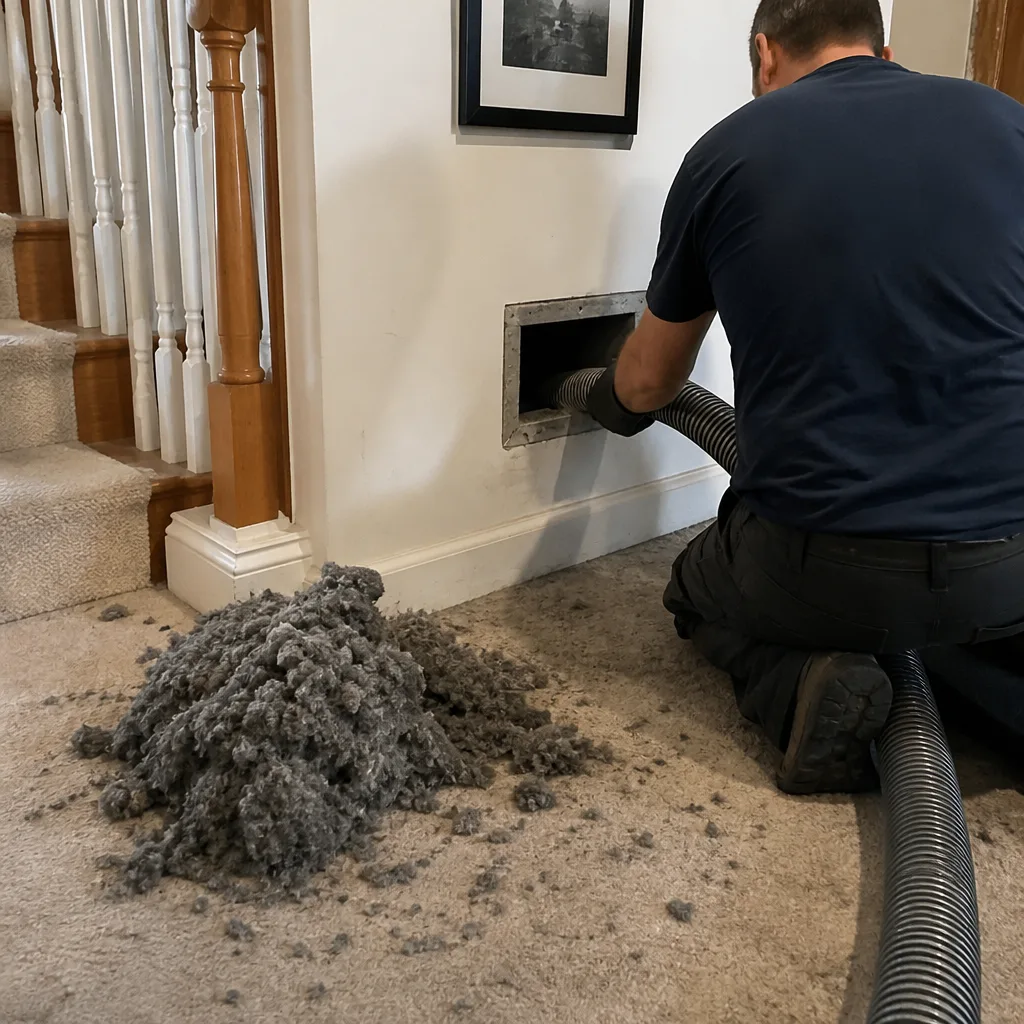 Before
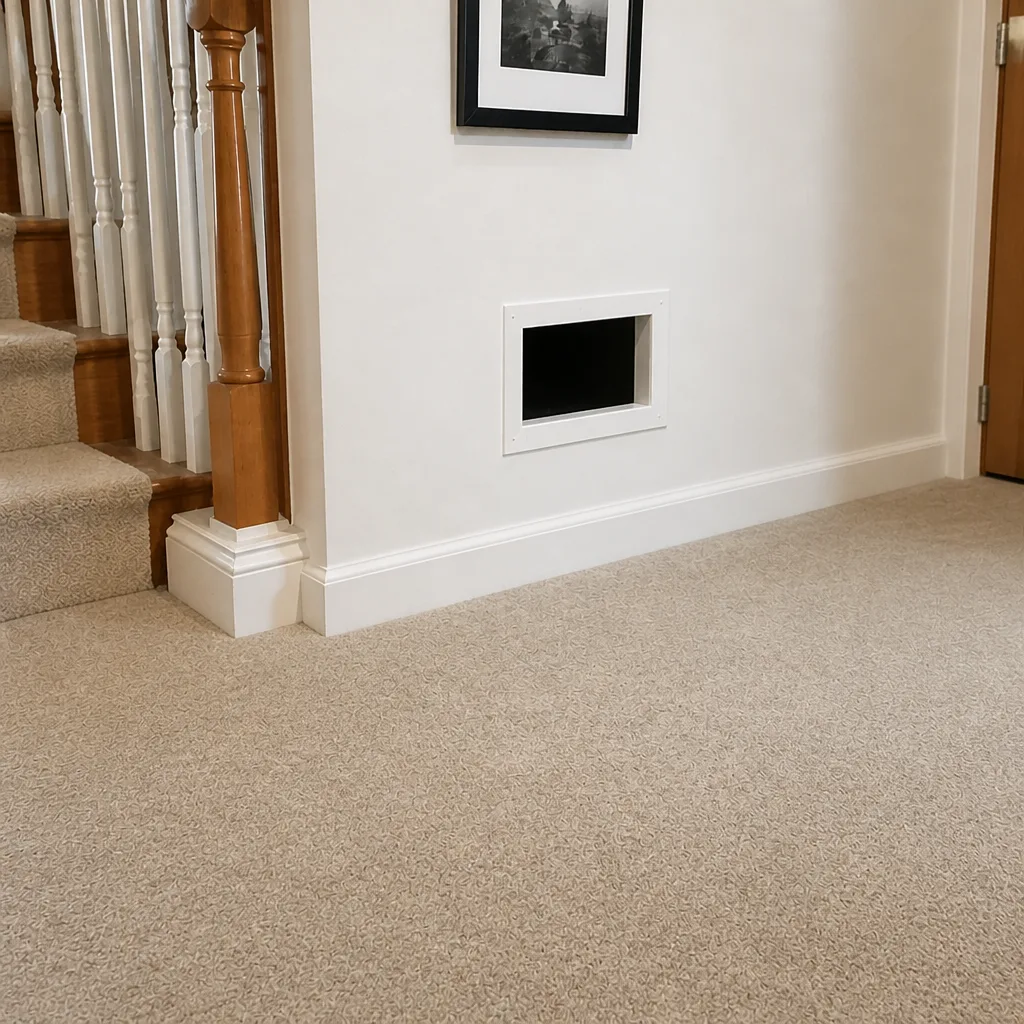 After
Frequently Asked Questions
Air duct cleaning in Auburn typically costs $280 to $850 for a full residential system in 2026, with most single-family homes landing between $380 and $620 depending on register count, duct material, access, and whether the air handler is included. Call (833) 513-8095 for an exact quote; estimates are free and confirmed with a walkthrough before pricing.
Cheap quotes are usually cheaper because they cover less: fewer registers, no air handler cleaning, no containment, or no duct integrity check. A $199 quote on a 2,000-square-foot home in Auburn doesn’t cover the labor of cleaning a full system. Before comparing numbers, ask each contractor to answer the nine-point scope checklist in writing. Call (833) 513-8095 for a scoped quote; estimates are free.
Before-and-after photos of your own ducts, not stock photos, plus a walkthrough of the air handler and confirmation of what was sealed or repaired. Professional cleaning uses negative-pressure containment so you can verify the process, not just the result. Ask for photos in the written estimate before work begins. Call (833) 513-8095 to schedule; estimates are free.
Every 3 to 5 years for an average Auburn home, and every 1 to 2 years for homes with pets, smokers, recent remodeling, or crawlspace moisture issues. Western Washington’s damp climate makes the moisture category worth taking seriously. If you’re unsure which interval fits, call (833) 513-8095 for a free assessment.
Usually yes, because two-story homes typically have more registers, longer branch runs, and sometimes two air handlers to clean. The jump from a 1,200-square-foot rambler to a 2,000-square-foot two-story is typically $150 to $250 more. A 2,500-square-foot home in Lea Hill or Lakeland Hills can run $200 to $400 more than the rambler baseline. Call (833) 513-8095 for a quote specific to your layout.
Duct sealing is worth the cost when a diagnostic shows disconnected runs, visible gaps at joints, or measurable air loss. It’s rarely worth it as a default add-on without a specific finding. When we do find leaks, we can correct them during the same visit so contamination re-entry is prevented going forward. Call (833) 513-8095 for an estimate that includes an integrity check.
The Bottom Line
Duct cleaning prices in Auburn aren’t mysterious once you know the seven variables that move them: square footage, register count, duct material, access conditions, air handler inclusion, sanitizing, and location. Most homes land in the $380 to $620 range, with larger homes in Lea Hill and Lakeland Hills running higher and smaller ramblers landing lower. The real cost difference between a cheap quote and a real one isn’t quality theater; it’s scope. Ask for a written estimate that answers the nine-point checklist, confirm the air handler is included, and require one flat price per system agreed before work starts. That structure is what turns a duct cleaning visit into a system-wide solution rather than a temporary fix.
Call (833) 513-8095 to schedule a free estimate. We answer 24/7, and fast dispatch is scheduled from 7am to 7pm. Every estimate lays out the scope in writing with one flat price per system.
Written by the team at Auburn Air Duct Cleaning Pros.